
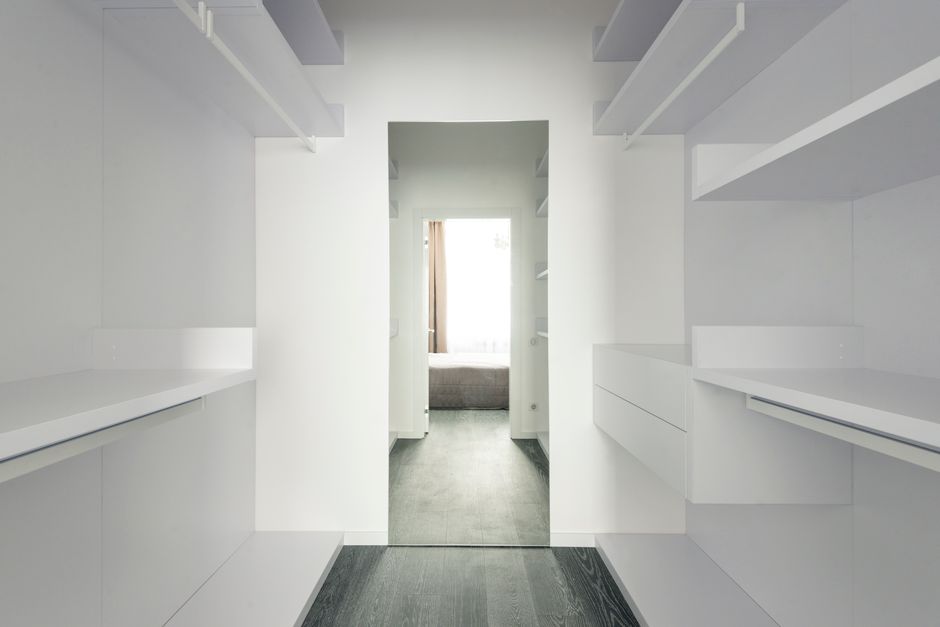

Minimalist Style Home: Minimalist Home Style: 7 Rules That Change How a Room Feels
The average American home contains 300,000 items. That number comes from a UCLA study on household complexity, and it explains why most rooms feel exhausting to sit in. Minimalist home style isn’t a trend that shows up every few years and disappears — it’s a direct correction to that problem.
But here’s the part that trips people up: minimalism isn’t about owning less. It’s about seeing more clearly. A room with 20 well-chosen pieces can feel richer than a room with 200 random ones.
I’ve spent three years stripping down two apartments using these principles — and I’ve made every mistake along the way. Here’s what actually works.
What Minimalist Home Style Actually Means
True minimalist style means every object in a room earns its place. Not because it costs money. Not because it looks expensive. Because it does something — functionally or visually — that nothing else in the room is already doing.
A plant on a shelf adds color, organic texture, and vertical interest in a single object. That earns its place. A throw pillow in a color that matches the sofa exactly? That’s filler. It’s taking up space without adding anything the room doesn’t already have.
The other big myth: you need a gut renovation to pull this off. You don’t. The constraint isn’t square footage or architecture — it’s the number of decisions a room forces your eye to make when you walk in. A small room with four well-placed things reads as minimalist. A large room stuffed with furniture reads as chaotic regardless of the square footage.
The visual noise count
Stand at your doorway and count every distinct visual stop your eye makes — a picture frame, a lamp, a stack of books, a throw blanket, a plant. That’s your visual noise count. In a well-executed minimalist living room, that number sits between 7 and 12. Not zero. Not three. Seven to twelve deliberate stops, each one intentional.
Why it changes how you feel in the room
Every unresolved visual element in a space uses a small amount of mental energy. The reason minimalist rooms feel calming isn’t mystical — your brain simply isn’t being asked to process 50 competing signals at once. That’s the whole value proposition. It’s not about the look. It’s about what happens when you sit down in that room after a difficult day.
The Furniture Worth Spending Real Money On
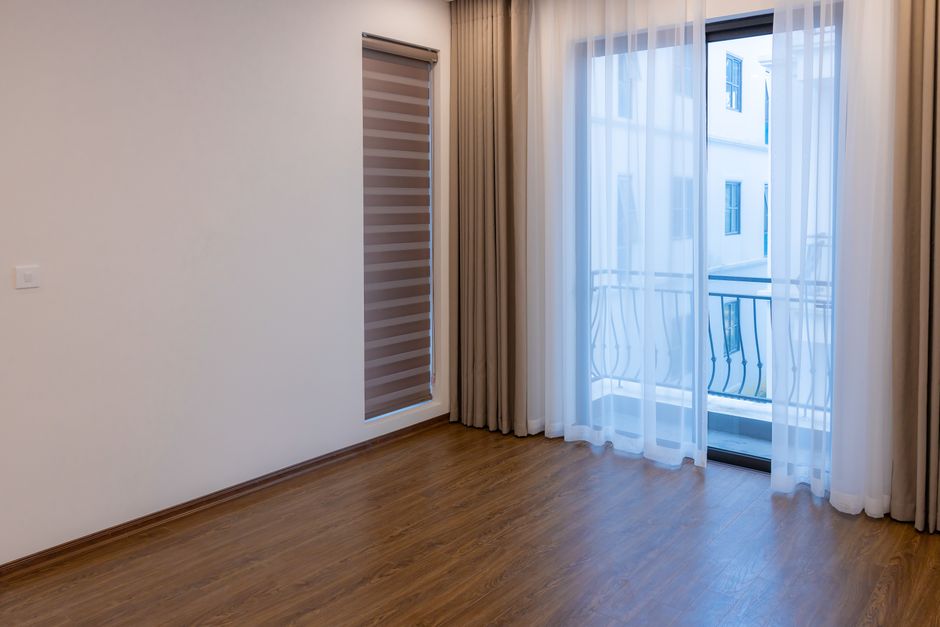
In a minimalist room, each piece carries more visual weight because there are fewer of them. The budget logic flips from conventional interior design: instead of spreading money across many pieces, concentrate it on the few that matter most.
- The sofa — In a living room with five pieces of furniture, the sofa accounts for roughly 40% of the room’s visual identity. The Article Sven ($1,399 in charcoal) and the West Elm Andes ($1,899 in natural linen) both have clean lines and solid structure. The Sven has a firmer seat — better for sitting upright. The Andes is softer, better for lounging. Pick based on how you actually use the room.
- The bed frame — IKEA’s MALM low bed frame ($229–$369) remains one of the best minimalist choices at any price. Low profile, solid wood veneer, zero decorative detailing. The MUJI Steel Bed Frame ($450–$650 depending on size) has slightly thinner legs and a cleaner silhouette if you want something that reads as more premium.
- One good shelf — The String Furniture Pocket shelf system ($180–$600 depending on configuration) is the legitimate choice. In production since 1949, and the wall-mounted design keeps the floor clear — crucial in small spaces. IKEA KALLAX ($69–$185) works too, but sits on the floor and creates visual weight that String avoids entirely.
- A table — BoConcept’s Milano dining table ($1,100) is a proper minimalist piece. If that’s out of range, the IKEA LISABO ($149) has tapered legs and a narrow profile that doesn’t fill a room.
- Lighting — The HAY PC Portable lamp ($175) or the MUJI LED arm lamp ($85) both follow the same rule: one simple gesture, no ornament. Avoid drum shades with patterns. They add visual noise that breaks the room’s coherence.
One consistent rule across all five: buy the best quality you can for the pieces you look at most. Cut the budget on things that stay near walls or below eye level.
Japandi vs. Scandinavian vs. Modern Minimalism
These three terms get used interchangeably. They’re not the same thing, and the differences matter when you’re shopping because furniture from different minimalist traditions won’t mix well.
| Style | Material Palette | Color Range | Key Vibe | Best For |
|---|---|---|---|---|
| Scandinavian Minimalism | Light wood (ash, birch), wool, cotton | White, grey, soft cream, muted blue | Warm, functional, cozy | Cold climates, family homes |
| Japandi | Dark wood (walnut, bamboo), linen, washi paper | Warm charcoal, terracotta, sage, off-white | Calm, grounded, earthy | Urban apartments, adult spaces |
| Modern Minimalism | Concrete, metal, glass, leather | True white, black, grey, one accent | Sharp, structured, cool | Large spaces, open-plan layouts |
Japandi is the version most people actually want without knowing the name. It has warmth that Scandinavian minimalism sometimes loses under winter lighting, and it’s less severe than modern minimalism. If you like wood tones, natural textures, and rooms that don’t feel like an Apple Store, Japandi is the direction.
How to identify which direction fits what you already have
Look at your existing furniture. Light blonde wood with clean lines? That’s Scandinavian — lean into it. Dark walnut with low profiles? Japandi. Chrome legs, glass surfaces, mostly black and white? Modern minimalism. Mixing all three creates a room that reads as indecisive rather than minimal.
The Color Rule That Changes Everything
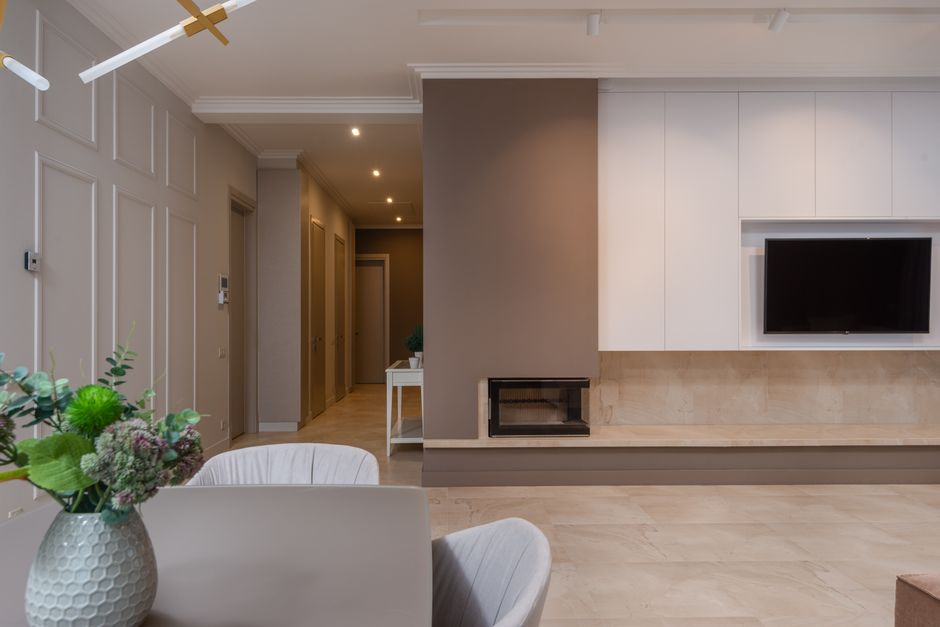
Pick a neutral base for 70% of the room, one warm tone for 20%, and one accent for the remaining 10%. Don’t introduce a second accent. That’s the entire color strategy.
White everything is the trap. A room that’s 100% white reads as sterile, not calm. One warm element — terracotta, sage green, aged brass — is what makes a white-dominant room feel designed rather than just emptied out.
Three Mistakes That Make Minimalist Rooms Feel Wrong
I made all three of these. So has almost everyone who’s tried this approach.
Mistake 1: Removing things without editing them. You can’t get there by just taking things away. An empty shelf isn’t minimalist — it’s abandoned. A shelf with three objects that share visual logic (consistent color, consistent material, varied heights) is minimalist. The edit comes after the removal, not instead of it.
Mistake 2: Buying minimalist decor to fill the gaps. This is the most ironic trap. You clear out existing clutter, the room feels too empty, so you buy neutral-colored decorative objects to compensate. MUJI sells beautiful storage boxes. H&M Home sells simple ceramic vases. These are fine — but buying 15 of them to fill a room defeats the entire point. Stop at three. Wait a week. See if you still want more before buying anything else.
Mistake 3: Forgetting storage. Minimalism only works visually if the things you removed are actually stored somewhere. The Ferm Living Plant Box ($195) is a good example of dual-purpose furniture — decorative on the outside, hidden storage inside. Without real storage solutions, clutter returns inside two weeks.
The storage investment most people underestimate
The IKEA BESTÅ system ($150–$600 depending on size and door configuration) is the most practical minimalist storage solution for the price. Closed-front units hide everything. Glass-front units are traps — they require the interior to be staged too, and most people don’t maintain that level of curation past the first month.
Starting the Transition Without Buying Anything New
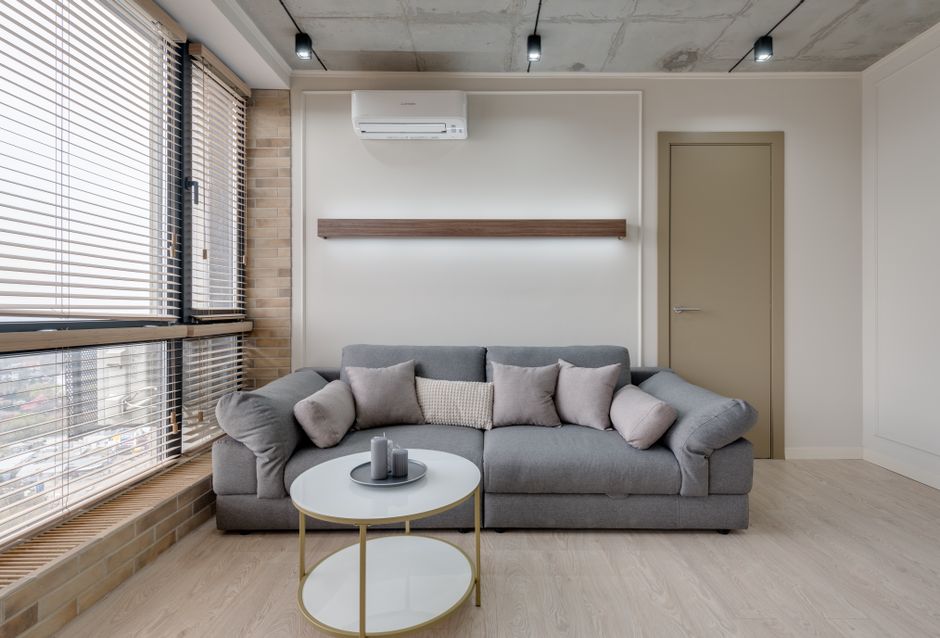
Where do I start if my room is already full?
Take everything off one surface — one table, one shelf, one windowsill — and put it in a box. Live with that surface empty for a week. Then add back only the things you actually missed. What you didn’t miss stays in the box. This is the editing process, and it costs nothing.
What about sentimental objects I can’t remove?
Group them. Three sentimental objects displayed together read as a curated collection. The same three objects scattered across five different surfaces read as clutter. The objects don’t change. The arrangement does.
Should I repaint before doing anything else?
No. Paint last. Paint reveals what the room actually looks like once the furniture is right. People paint first, then fill the room with whatever they have, and the paint ends up hidden behind furniture or clashing with things they didn’t anticipate. Get the objects right first. Paint what’s actually visible afterward.
How long does it take to get a room right?
Six months minimum. Not because the physical work takes that long — because you need to live through different seasons, different lighting, and different moods to know what’s actually working. Anyone who says they completed a minimalist home redesign over a weekend is showing you the starting point.
The Honest Tradeoff Before You Commit
Minimalist rooms require more maintenance, not less. When a room has 200 objects, one misplaced item is invisible. When a room has 12 objects, a coffee cup left on the wrong surface is immediately visible. The aesthetic only holds if you’re willing to maintain it.
That’s a feature, not a flaw — if it matches how you live. If you naturally keep surfaces clear, this style will feel effortless. If you accumulate objects on every surface by default, you’ll spend more energy fighting the room than enjoying it. There’s no wrong answer here.
The people who sustain minimalist homes tend to already dislike clutter but lacked an aesthetic framework for addressing it. The people who struggle tend to love having things around them — books out, objects visible, tools accessible. The style should match how you actually live, not a version of yourself you’re hoping to become.
| If you want… | Direction | Starting investment |
|---|---|---|
| Warm, cozy minimalism | Scandinavian | Light wood furniture, IKEA MALM frame (~$300) |
| Earthy, grounded feel | Japandi | Walnut tones, linen textiles, terracotta accents |
| Sharp, structured look | Modern minimalism | Metal and glass pieces, monochrome palette |
| Budget-first approach | IKEA MALM + BESTÅ combo | Under $700 for a complete bedroom base |
| Long-term investment | String shelving + Article Sven | $1,600–$2,000, built to last 15–20 years |