


How to Identify High-Quality Clothing Basics That Will Last a Decade
I spent $80 on a Uniqlo Supima cotton T-shirt three years ago. It’s still in my rotation, collar not stretched, color not faded. The $15 fast-fashion tee I bought the same week? Rag by month six. That difference — the fabric, the stitching, the cut — is the gap between a ten-year piece and a landfill-bound one. Here’s what I look for now, and what you should look for too.
The Fabric Test: What Your Fingers Should Tell You
Before you even look at a tag, touch the fabric. Run your hand across it. Squeeze a handful. Good fabric has weight and a tight weave — it doesn’t feel flimsy or papery.
Cotton: Long Staple vs. Short Staple
The fibers in cotton can be short (standard) or long (extra-long staple). Long-staple cotton — like Supima or Egyptian cotton — produces smoother, stronger yarn that pills less and lasts longer. A 190gsm (grams per square meter) Supima tee will outlast a 140gsm standard cotton tee by years. I buy mine from Buck Mason ($38 for their slub crew) or Asket ($55, with full supply-chain transparency).
Linen and Wool: Handle the Drape
Linen should feel crisp but not rough. Rub it between your fingers — if it feels scratchy, it’s low-grade. Good linen, like from Muji or Eileen Fisher, softens after a few washes. For wool, look for Merino or Cashmere with a micron count under 19.5 (finer = softer). Icebreaker’s 200gsm Merino crew ($90) is a solid entry point. Scratchy wool means short fibers or low-quality processing.
The Light Test
Hold the fabric up to a light source. If you can see distinct threads and gaps, the weave is loose. Tightly woven fabric blocks more light and resists wear. A good denim jacket, like Levi’s Vintage Clothing line ($350), will let almost no light through. A cheap one from a mall brand? You’ll see a grid of fibers.
Stitching: The Difference Between “Fits Well” and “Falls Apart”
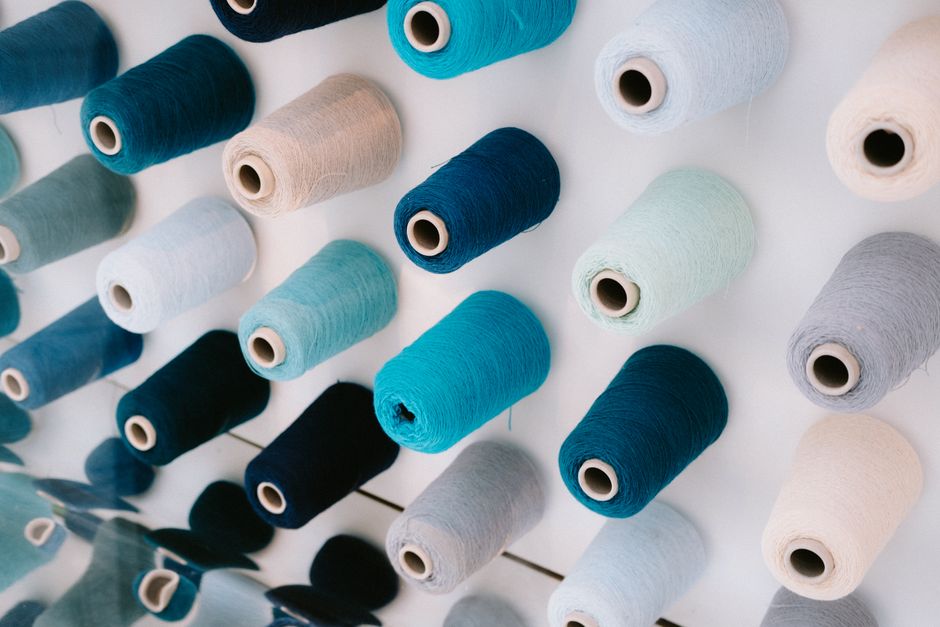
Stitching is the skeleton of a garment. If it’s weak, the whole thing collapses. Here’s what I check on every piece I consider buying.
| Feature | What to Look For | What to Avoid |
|---|---|---|
| Stitches per inch (SPI) | 8-12 SPI on main seams, 12-16 on collars/cuffs | Fewer than 6 SPI — fabric will unravel |
| Seam type | Flat-felled or French seams (enclosed, no raw edges) | Overlocked seams with raw edges visible |
| Seam allowance | At least 1.5 cm (5/8 inch) — allows for alterations | Less than 1 cm — can’t be let out or repaired |
| Thread | Polyester or cotton-wrapped polyester — strong and colorfast | 100% cotton thread — breaks easily under stress |
Turn the garment inside out. Look at the seams. If they’re neat, with no loose threads or skipped stitches, that’s a good sign. If you see raw edges unraveling, put it back. I’ve had a Patagonia Better Sweater ($139) for eight years — the flat-felled seams on the shoulders and sides are still tight. A $40 sweater from a fast-fashion retailer? Seams started separating after two winters.
Construction Details That Most People Miss
You can’t judge a garment by its tag alone. The real quality is in the hidden details. Here are the ones I check before buying.
- Buttonholes: They should be reinforced with keyhole stitching (a small circle of thread at each end). Cheap buttonholes are just a slit with thread around it — they stretch and tear. Check the bottom button of a shirt, the one that gets the most stress.
- Zippers: Look for YKK or RiRi zippers. These are industry standards for durability. A zipper that jams or breaks is a death sentence for a jacket or pair of trousers. I’ve had a Filson Mackinaw Wool Cruiser ($500) with YKK zippers for over a decade — still smooth.
- Grainline and pattern matching: On patterned fabrics (plaids, stripes), the pattern should match at the seams. If the stripes don’t line up across a shoulder seam, the maker cut corners. On solid fabrics, check that the grainline (the direction of the weave) runs straight down the body. Twisted seams mean the fabric was cut off-grain — the garment will warp after washing.
- Reinforcement at stress points: Look for bar tacks (dense zigzag stitching) at pocket corners, crotch seams, and button plackets. Carhartt WIP does this well on their Detroit Jacket ($280) — the pocket corners are bar-tacked and will outlast the rest of the jacket.
The Three Most Common Mistakes Buyers Make
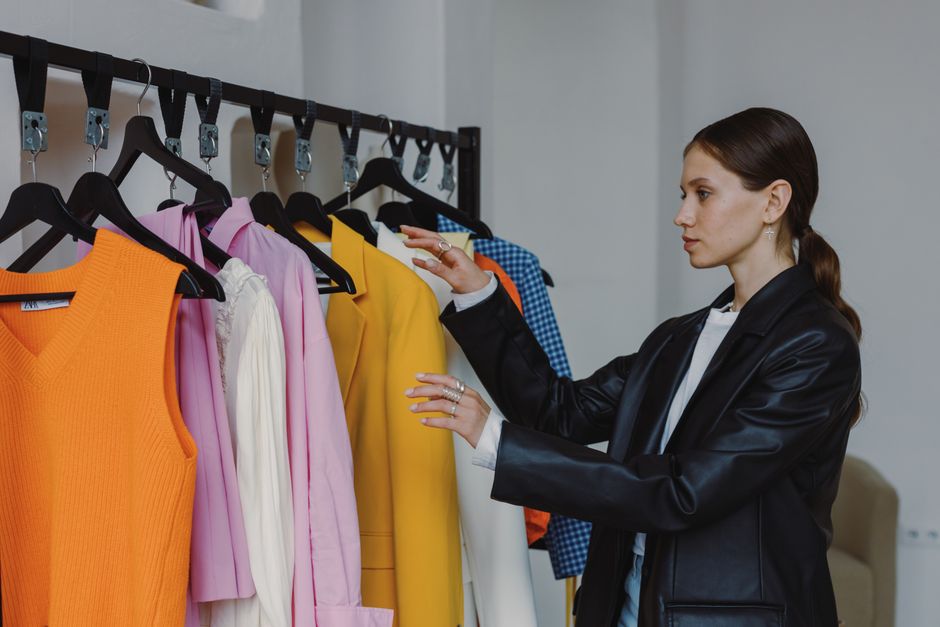
I’ve made all of these. Here’s what I learned so you don’t have to.
Mistake 1: Confusing Weight with Quality
A heavy fabric isn’t automatically good. Some brands add cheap fillers (like polyester blends) to make a T-shirt feel thick. But thick + synthetic = sweat trap. Quality is about fiber length and weave density, not weight alone. A 200gsm Pima cotton tee will feel denser and breathe better than a 250gsm polyester-cotton blend. Everlane’s Pima Air tee ($32) is a good example — lightweight but tightly woven.
Mistake 2: Ignoring the Care Label
If the label says “dry clean only” for a cotton shirt, run. That’s a sign the fabric or construction can’t handle water. Good basics should be machine-washable (cold, gentle cycle) and line-dryable. Uniqlo’s Airism line ($15-$30) washes beautifully — no shrinkage, no color bleed. If a garment requires special care, it’s not a basic — it’s a liability.
Mistake 3: Buying Based on Brand Name Alone
I’ve seen $200 designer T-shirts with the same construction quality as a $25 fast-fashion one. The difference? The designer label. Check the stitching and fabric before you check the logo. A Kirkland Signature ($12) cashmere-blend sweater from Costco can outlast a $400 Gucci one if the Gucci used short-staple wool and the Kirkland used long-staple. Don’t pay for the name — pay for the construction.
When NOT to Buy Expensive Basics
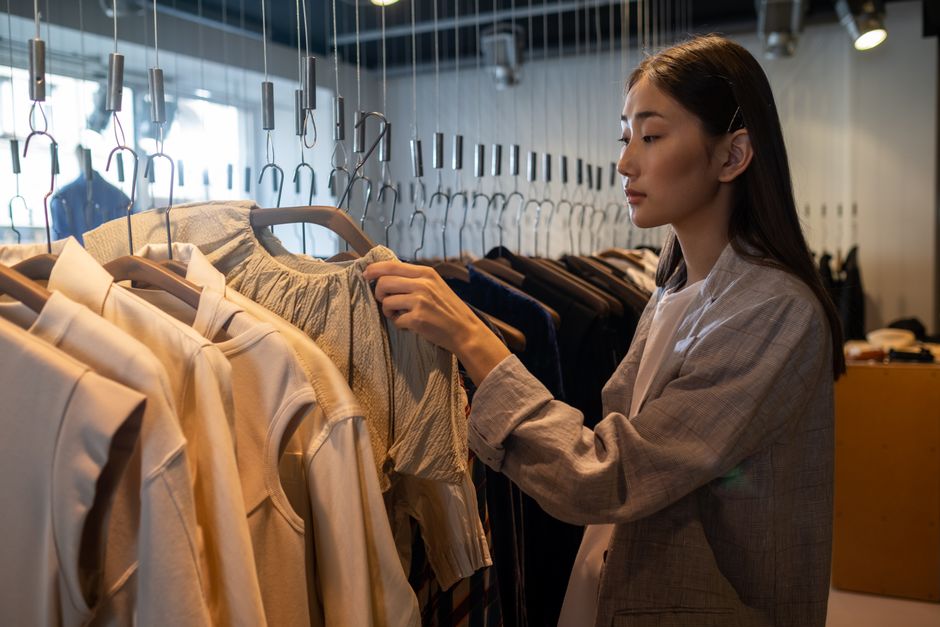
Not every piece needs to be heirloom-quality. Here’s where I save money and where I spend.
Don’t spend on: Underwear, socks, workout clothes, and anything you’ll wash weekly in hot water. These items take too much abuse. I buy Hanes ComfortBlend socks ($12 for 6 pairs) and Nike Dri-FIT tops ($35) — they last 1-2 years, then get replaced. Spending $30 on a single pair of socks is silly unless you’re hiking the Pacific Crest Trail.
Do spend on: Outerwear, trousers, denim, and knitwear. These pieces take less frequent washing and benefit from quality construction. A Levi’s 501 shrink-to-fit ($70) in raw selvedge denim will last a decade if you wash it properly (cold, inside out, line dry). A Barbour Beaufort waxed jacket ($350) can be rewaxed and repaired for decades. I’ve had mine for 12 years and it still looks better than the day I bought it.
One more thing: avoid anything with glued-on details. Plastic buttons, bonded seams, printed labels — all signs the maker cut corners. Real quality uses sewn-on labels, metal buttons, and stitched hems. If it feels like it was assembled in 30 seconds, it probably was.