
Professional Interview Attire for Women: 8 Rules That Actually Matter
An interview outfit signals competence before you speak a word. But the rules have shifted. The black pantsuit that worked in 2019 can now read as outdated or overly rigid. This guide covers what actually matters in 2026, with specific brands, price points, and the mistakes hiring managers notice.
Why the Old Rules No Longer Apply
Corporate dress codes have fragmented. A creative agency in Austin expects different attire than a law firm in Boston. The old “one suit fits all” advice fails because it ignores industry context.
According to a 2026 survey by The Mom Project, 68% of hiring managers said they judged candidates partly on whether their outfit fit the company culture. A stiff suit in a casual office signals you didn’t research the environment. A too-casual look in a formal setting suggests you don’t take the opportunity seriously.
The fundamental problem an interview outfit solves is this: it must project competence, cultural fit, and attention to detail within 30 seconds. That requires knowing your industry, not just following a generic checklist.
8 Specific Rules for 2026 Interview Attire

These rules apply across most professional settings. Exceptions exist, and we cover those in Section 4.
- One statement piece, rest neutral. A structured blazer in navy or charcoal. Everything else subdued. Let the blazer do the work.
- Shoes must be clean and quiet. No scuffed heels. No loud clicking. A low-block heel (2-3 inches) or a quality leather flat is safer than a stiletto.
- No logos visible. A tiny logo on a button is fine. A large brand name across the chest is not. It reads as unpaid advertising.
- Fit matters more than brand. A $200 blazer that fits perfectly looks better than a $1,000 one that is too big. Get things tailored.
- Skirts should hit at or below the knee when seated. A slit is acceptable if it stays modest when you sit. Test this at home.
- Remove all chipped nail polish. Bare nails are safer than chipped color. Neutral tones (sheer pink, beige) are best.
- Hair should be off the face. A low ponytail, bun, or clip. Not loose and hanging forward. You want eye contact, not hair distractions.
- Bring a structured bag. A leather tote or satchel. No backpacks, no flimsy canvas totes. It should hold a resume folder and a water bottle without bulging.
Three Industry-Specific Outfit Templates
One template does not fit all. Here are three distinct scenarios with specific product recommendations.
Corporate Law / Finance / Consulting
These industries still expect a suit. But not the boxy 2010 version. Opt for a soft-structured blazer with a matching trouser. The Theory Jayne Blazer ($495) in charcoal wool is a benchmark. Pair with the Theory Lennox Trouser ($295). Both have a modern cut—slightly tapered leg, not skinny. Add a silk shell top from Equipment ($195). Black low-heel pumps from Sam Edelman ($120). Total: approximately $1,105. This is an investment piece that works for multiple interviews and future workdays.
Tech / Creative Agency / Startup
Here, a full suit can feel alienating. Instead, try a smart blazer with dark jeans or tailored trousers. The Everlane The Utility Blazer ($198) in olive or navy is relaxed but polished. Pair with Everlane The High-Rise Skinny Jean ($98) in black (no rips, no fading). A simple white cotton button-down from MM.LaFleur ($125) works. White leather sneakers from Veja ($155) are acceptable here. Total: approximately $576. The key is that the blazer elevates the casual pieces.
Nonprofit / Education / Healthcare Administration
These roles value approachability and practicality. A knit blazer or cardigan jacket paired with a knee-length skirt or trousers. The Aritzia Babaton Wilfred Blazer ($225) in a soft knit fabric is comfortable but professional. Pair with a midi pencil skirt from Banana Republic Factory ($89) in black. A simple shell top from Uniqlo ($30). Flats from Rothy’s ($165). Total: approximately $509. The look says “I’m competent and I care about people.”
When NOT to Wear a Blazer (and What to Wear Instead)
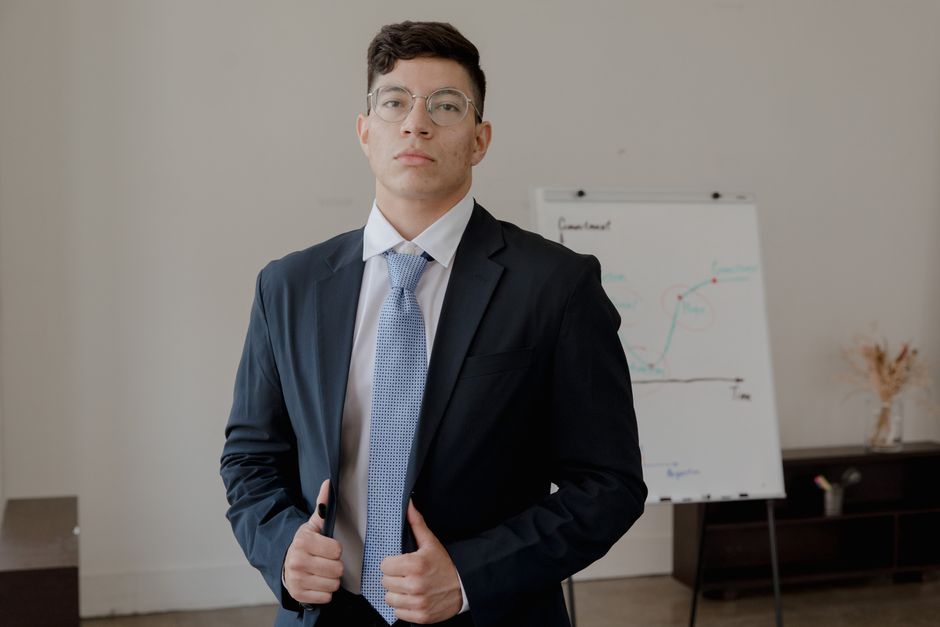
A blazer is not always the answer. Here are three situations where a different choice works better.
- Extreme heat (90°F+): A blazer will cause sweat marks. Instead, wear a structured sleeveless sheath dress in a breathable fabric like cotton or linen. The Veronica Beard Jansen Dress ($495) in navy is a strong option. Add a light cardigan you can carry.
- Very casual company culture: If the office dress code is jeans and t-shirts, a full suit signals you didn’t understand the culture. Wear a fine-gauge sweater (cashmere or merino) with tailored trousers. The Naadam Essential Cashmere Crew ($145) in heather grey is a safe choice.
- Second interview at the same company: If you already wore a blazer the first time, switch to a structured jacket or a knit blazer. You want to show range, not repeat the same outfit.
Common Mistakes That Cost Candidates the Job
These are real mistakes hiring managers report. Avoid them.
- Wrinkled clothing: An iron or steamer is non-negotiable. Wrinkles say “I didn’t prepare.”
- Too much fragrance: Perfume should not enter the room before you do. None is safer than too much.
- Visible undergarment lines: Seamless underwear or a slip solves this. Test your outfit in natural light.
- Wearing a new outfit for the first time: Never. Wear it for a full day at home first. Check for comfort, movement, and how it sits when seated.
- Over-accessorizing: One watch, one pair of earrings, one ring maximum. A necklace only if the neckline needs it. Less is more.
Comparison: Structured Blazer vs. Knit Blazer vs. Cardigan Jacket
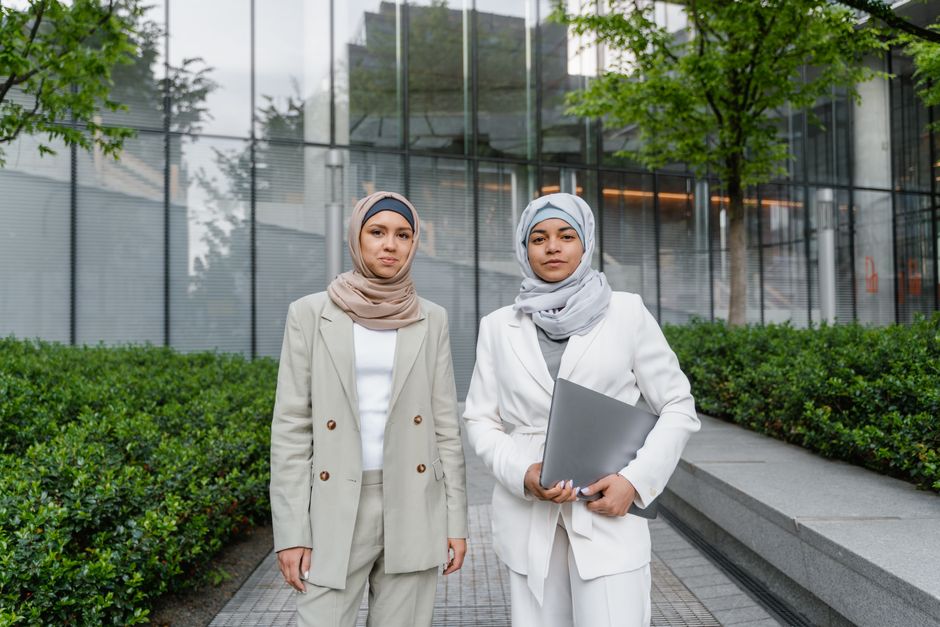
These three categories cover most interview tops. Here is the difference.
| Type | Best For | Price Range | Example |
|---|---|---|---|
| Structured Blazer | Law, finance, consulting, formal interviews | $150-$600 | Theory Jayne Blazer ($495) |
| Knit Blazer | Tech, creative, casual offices | $100-$300 | Aritzia Wilfred Blazer ($225) |
| Cardigan Jacket | Nonprofit, education, healthcare | $80-$200 | Banana Republic Factory Cardigan ($89) |
The structured blazer projects authority and tradition. The knit blazer projects approachability and modern style. The cardigan jacket projects warmth and practicality. Choose based on the industry you are entering.
Final Verdict: The Two-Outfit Strategy
For most women, the smartest approach is to prepare two interview outfits. One formal (structured blazer + trousers) and one smart-casual (knit blazer + dark jeans). Which one you wear depends on the company culture you observe during the first interaction.
If you are interviewing at a law firm or bank, wear Option 1. If you are interviewing at a startup or creative agency, wear Option 2. If you are unsure, ask the recruiter directly: “What is the typical dress code for the office?” This question shows self-awareness and research.
The best investment you can make is a well-fitting blazer in a neutral color (navy, charcoal, or olive). Spend the money on tailoring. A $200 blazer that is altered to your body will outshine a $600 blazer off the rack. That is the single rule that overrides all others.