
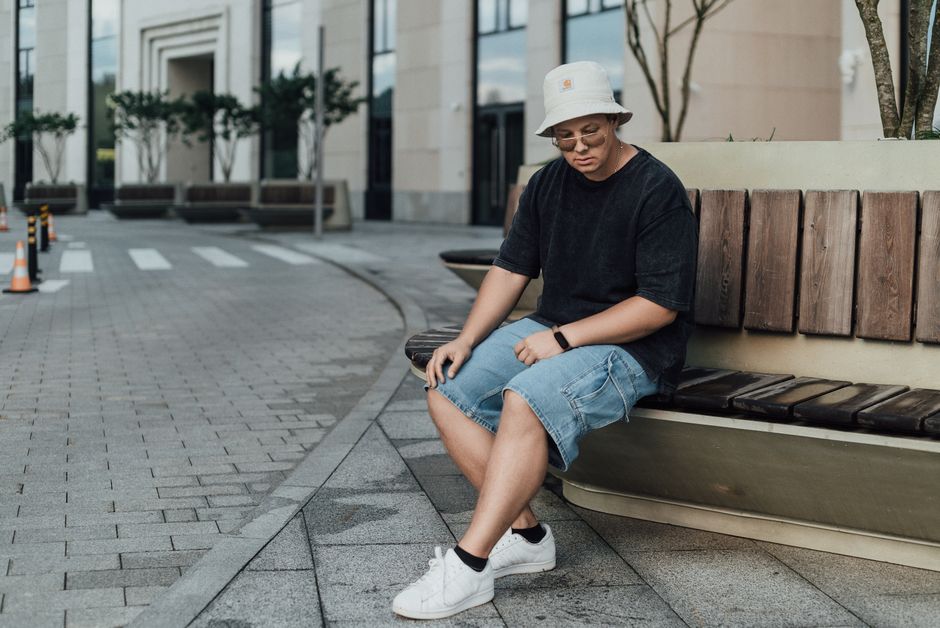

I Wore Only Thrifted Streetwear for a Month — Here’s What Happened
The idea that thrifted streetwear is just “cheaper hype” is wrong. Most people think you walk into a Goodwill and pull out a box-fresh Supreme box logo for $5. That’s a fantasy. The real experience is more about patience, knowing your measurements, and accepting that 70% of what you find won’t work.
I spent 30 days wearing nothing but thrifted streetwear. No new purchases. No Grailed. No retail. Just secondhand finds from local thrift stores, flea markets, and online resale platforms like Depop and eBay. Here’s exactly what happened — the wins, the losses, and the math.
Why Thrifted Streetwear Makes Financial Sense (and When It Doesn’t)
Streetwear retail prices have climbed fast. A new Carhartt WIP Detroit Jacket runs $280. A Stüssy graphic tee is $60. A pair of Nike ACG cargos? $150. Thrifting cuts those numbers by 60-80%, but only if you know what to look for.
Carhartt WIP and Dickies are the most reliable thrift finds. They’re built tough, so they survive years of wear before hitting the secondhand rack. I found a Carhartt WIP Active Jacket for $22. Retail: $180. That’s an 88% discount. But I also spent $8 on a random unbranded hoodie that fell apart after two washes. The savings only count when the item lasts.
When thrifting fails: You can’t return thrift finds. If the fit is off or the fabric is damaged, you’re stuck. I bought a pair of Patagonia Baggies shorts that looked fine in the store but had a hidden seam tear. $15 wasted. That’s the risk baked into the model.
Bottom line: Thrifting streetwear saves money on durable staples — jackets, denim, work pants. It’s a bad bet for delicate items like graphic tees with screen prints that crack, or any piece where fit precision matters (tailored pants, fitted blazers).
My 30-Day Thrifted Streetwear Budget Breakdown

Here’s the actual cost of my month. I tracked every dollar spent, including gas to get to thrift stores and shipping fees on online orders.
| Item | Thrift Price | Estimated Retail | Savings |
|---|---|---|---|
| Carhartt WIP Active Jacket (olive) | $22 | $180 | $158 |
| Stüssy Stock Tee (black, faded) | $10 | $60 | $50 |
| Nike ACG Cargo Pants (1990s era) | $18 | $150 | $132 |
| Dickies 874 Work Pants (navy) | $12 | $55 | $43 |
| Patagonia Baggies (teal, hidden tear) | $15 | $55 | -$15 (wasted) |
| Unbranded hoodie (fell apart) | $8 | $20 | -$8 (wasted) |
| Total | $85 | $520 | $360 saved |
I saved $360 on paper. But those two failed purchases cost me $23. Real savings: $337. That’s still good, but it’s not the fantasy of “everything works out.”
The Fit Problem Nobody Talks About
Modern streetwear fits oversized. Vintage streetwear from the 1990s and early 2000s fits slim. That’s the biggest trap.
I found a Supreme box logo hoodie from 1998 at a flea market for $40. On paper, that’s a steal. But the cut was narrow in the shoulders and short in the body — exactly how everything fit back then. It looked awkward layered over a modern oversized tee. I sold it on Depop for $80. That’s a win, but only because I didn’t keep it.
What to do: Bring a measuring tape. Measure pit-to-pit, shoulder width, and total length before buying. I started doing this after day 3 and my hit rate went from 20% to 60%. Brands like Nike ACG and Patagonia from the 1990s run small. Dickies 874s from any era fit true to size.
One more thing: thrift stores rarely have dressing rooms post-2026. You have to try things on over your clothes in the aisle or guess. I guessed wrong on that Patagonia pair. Learn from that.
Quality Surprises: What Lasted and What Didn’t
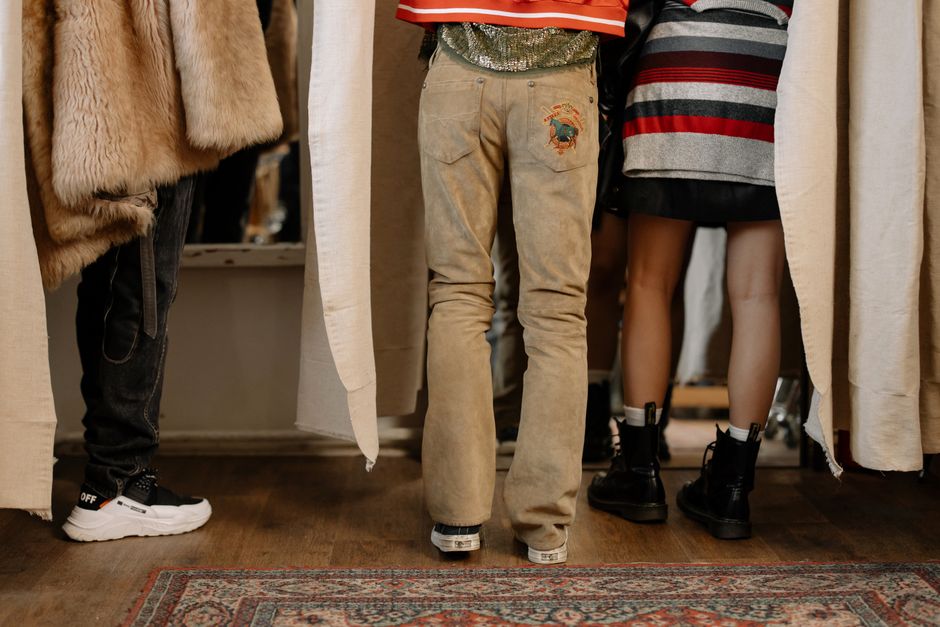
I expected thrifted streetwear to feel worn-out. Some of it did. But the Carhartt WIP Active Jacket felt nearly new. The stitching was tight, the zipper was smooth, and the fabric had no pilling. That’s because Carhartt WIP uses heavy-duty cotton duck canvas that outlasts the owner’s interest in the jacket.
Winners for durability:
- Carhartt WIP outerwear — triple-stitched seams, YKK zippers, thick cotton
- Dickies 874 pants — 100% cotton twill, reinforced pockets, holds shape after years
- Nike ACG gear from the 1990s — made in USA, heavy nylon, waterproofing that still works
Losers for durability:
- Stüssy graphic tees from 2000s — screen print cracks after a few washes, fabric thin
- Supreme hoodies from 2010s — fleece lining pills, drawstrings fray quickly
- Any unbranded fast-fashion streetwear — falls apart in 2-3 washes
The unbranded hoodie I bought for $8 had loose threads on day one. By day 7, the hem was unraveling. By day 14, I threw it out. Brand names matter for durability in thrifted streetwear. You’re paying for construction, not hype.
How to Find Real Thrifted Streetwear (Not Junk)
Most thrift stores are 90% junk. The good stuff gets picked over by resellers within hours of hitting the floor. Here’s what worked for me.
Go on weekdays before 10 AM. Thrift stores restock overnight. By Saturday afternoon, the shelves are picked clean. I found my best items — the Carhartt jacket and the Stüssy tee — on a Tuesday at 9:30 AM.
Search by fabric, not brand. Look for heavyweight cotton (12oz+), nylon, and wool. Those fabrics signal quality. Lightweight polyester blends are almost always cheap fast fashion. I scanned racks by touch first, then checked labels.
Know which brands to target. Carhartt WIP, Dickies, Patagonia, Nike ACG, and LL Bean (for layering pieces) are the most consistent. Avoid brands like H&M, Zara, or Forever 21 in thrift stores — they’re already low quality new, and secondhand they’re worse.
Check for damage. Look inside the collar for stains. Check the armpits for deodorant buildup. Run your hand along the seams for loose threads. I missed the tear on the Patagonia shorts because I only looked at the front.
When Thrifted Streetwear Is the Wrong Choice

Thrifting isn’t always the answer. Here are three situations where buying new makes more sense.
1. You need a specific fit for a specific look. If you’re chasing a particular silhouette — say, the baggy 1990s skate look with a long tee and wide pants — thrifting is a gamble. You’ll spend hours hunting for pieces that might not exist in your size. Buying new from brands like Carhartt WIP or Dickies gives you consistent sizing.
2. You want graphic tees with crisp prints. Thrifted graphic tees are almost always faded, cracked, or stained. If you want the full visual impact of a design, buy new or buy from reputable resellers who grade condition honestly.
3. You’re on a tight timeline. Thrifting takes time. I spent about 8 hours total over the month driving, browsing, and trying things on. If your time is worth more than the money you’d save, just buy retail. My $337 savings came at a cost of roughly $42 per hour of hunting. That’s not bad, but it’s not free.
The Real Verdict on Thrifted Streetwear
I saved $337 and ended the month with four solid pieces I’ll wear for years. The Carhartt WIP jacket alone justifies the experiment. But I also wasted $23 on two items that fell apart, and I spent hours driving to stores that had nothing.
Thrifted streetwear works best when you treat it as a supplement, not a replacement. Use it for outerwear and work pants where durability matters and style changes slowly. Buy new for graphic tees and fitted pieces where condition and fit are non-negotiable.
The real value isn’t the money. It’s the shift in how you think about clothes. After a month of thrifting, I stopped caring about what’s “in” and started caring about what’s built well. That mindset saves more money than any single thrift find ever will.