


How to Care for Delicate Lingerie to Make It Last Longer
You spent $80 on that lace bralette. Three washes later, the underwire pokes out and the lace looks like a tangled fishing net. Sound familiar?
Most women ruin lingerie in the washing machine. Not because they’re careless, but because no one taught them the rules. Lace, silk, mesh, and microfiber are not cotton. Treat them like cotton, and they die fast.
Here’s the blunt truth: delicate lingerie lasts 6 to 12 months with proper care. Without it? You’re lucky to get 10 washes. This guide covers exactly what to do, what to avoid, and which products actually help.
Why Machine Washing Destroys Lingerie (And What to Do Instead)
The washing machine is the #1 killer of delicate lingerie. The agitation stretches elastics, snaps underwires, and shreds lace. The spin cycle twists straps into knots. Heat from drying weakens elastic fibers permanently.
Here’s what happens to a lace bra after 20 machine washes:
| Component | After 5 Machine Washes | After 20 Machine Washes |
|---|---|---|
| Elastic band | Stretches 15% | Losses 50% of snap-back |
| Underwire channel | Fabric starts fraying | Wire pokes through |
| Lace trim | Pilling begins | Holes and runs appear |
| Strap elasticity | Droops slightly | Straps won’t stay up |
The fix is simple: hand wash every single time. No exceptions. Fill a sink with cool water (not cold, not warm — cool). Add a teaspoon of Gentle Wash by The Laundress or Forever New Delicate Wash. Swish the lingerie gently for 2 minutes. Let it soak for 10 minutes. Rinse with cool water.
Do not wring, twist, or scrub. Press the water out gently between your palms. Roll in a clean towel to absorb excess moisture. Then lay flat on a drying rack — never hang a wet bra by the straps. Gravity stretches them out.
When Machine Washing Is Unavoidable
Sometimes you’re traveling or exhausted. Fine. Use a mesh delicates bag from Diva or BAGGU. Close all hooks and clasps. Set the machine to the “delicates” cycle with cold water and low spin (max 400 RPM). Add a half-scoop of Woolite Darks Delicates. Never use fabric softener — it coats fibers and breaks down elastic. Even with this method, machine washing cuts lifespan by at least 40%.
The 3 Biggest Mistakes People Make With Silk Lingerie

Silk is not lace. Silk is not cotton. Silk is a protein fiber — like your hair. Treat it wrong, and it gets ruined permanently.
Mistake #1: Using regular detergent. Standard laundry detergent contains enzymes that break down protein. Silk loses its sheen and becomes dull. Use a silk-specific wash like Eucalan Fine Fabric Wash or Soak Wash. Both are no-rinse formulas — just soak, squeeze, and dry.
Mistake #2: Drying in direct sunlight. UV rays yellow silk faster than anything. Dry silk lingerie indoors, away from windows. On a flat mesh rack. Never in a dryer — even air-dry mode damages the fibers.
Mistake #3: Ironing on high heat. Silk burns at relatively low temperatures. If you must iron, use the lowest setting and iron inside-out while the fabric is still slightly damp. Better option: steam it with a handheld steamer like the Conair Turbo ExtremeSteam — holds it 6 inches away.
One more thing: do not soak silk for more than 30 minutes. Prolonged soaking weakens the fibers. 10 to 15 minutes is plenty.
How to Store Lingerie So It Doesn’t Get Ruined
Storage is where most people undo all their careful washing work. Stuffed in a drawer? Straps tangle, lace snags, underwires bend out of shape.
Here’s the rule: bras lie flat, panties fold neatly, and nothing gets crammed.
For bras: never fold one cup into the other. That distorts the shape. Instead, lay bras flat in a single layer. If you must stack them, place a thin cotton cloth between each. The mDesign Bra Organizer (about $12 on Amazon) has individual slots — worth every penny.
For silk panties: fold them in thirds, then roll loosely. Store in a drawer with cedar blocks to deter moths. Moths love silk. A single moth hole is irreparable.
For lace bodysuits and teddies: hang them on padded hangers. The Zober Velvet Hangers ($15 for a 12-pack) are thin enough to save space but padded enough to prevent shoulder dents. Never use wire hangers — they leave rust marks and permanent creases.
Keep your lingerie drawer in a cool, dry place. Humidity causes mildew on silk and rust on underwires. If your closet feels damp, toss in a Eva-dry E-500 Renewable Dehumidifier.
When to Throw Lingerie Away (Yes, It Expires)
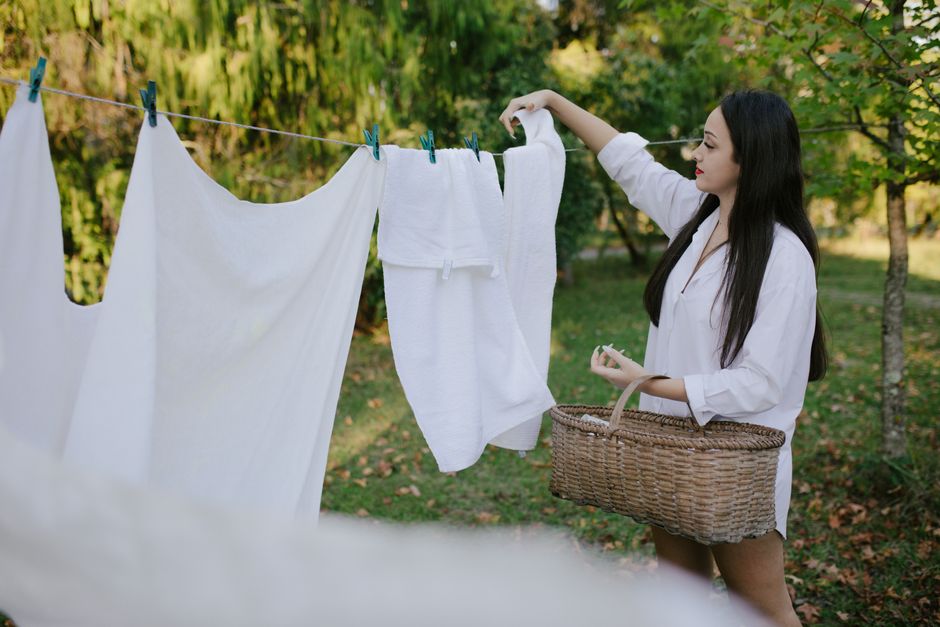
Lingerie is not forever. Even with perfect care, it degrades. Wearing stretched-out bras or faded panties does you no favors — they don’t support, they don’t look good, and they don’t feel comfortable.
Here’s when to replace:
- Bra band stretches more than 2 inches when you pull it away from your body. That means the elastic is shot. A bra should fit snugly on the loosest hook when new — if you’re already on the tightest hook, it’s dead.
- Underwire pokes out even a little. Trying to push it back in doesn’t work. The fabric channel is torn, and it will poke again within 2 wears.
- Lace has visible holes or runs larger than a pencil eraser. It won’t stop spreading.
- Silk has permanent water stains or yellowing that doesn’t come out with a proper silk wash. That’s oxidation — irreversible.
- Elastic at the leg openings of panties curls or rolls. Means the elastic is breaking down internally.
Most women keep bras 2 to 3 years. They shouldn’t. A well-cared-for bra lasts 6 to 12 months with weekly wear. Rotate between 5 to 7 bras to extend each one’s life. If you wear the same bra every day, it dies in 3 months.
Brands like Honey Birdette and Agent Provocateur use high-quality elastics that last longer, but even they can’t defeat daily wear. Budget brands like Aerie or Victoria’s Secret use lower-grade elastic — expect 4 to 6 months max.
Why Your Lingerie Care Routine Needs a Reset Right Now
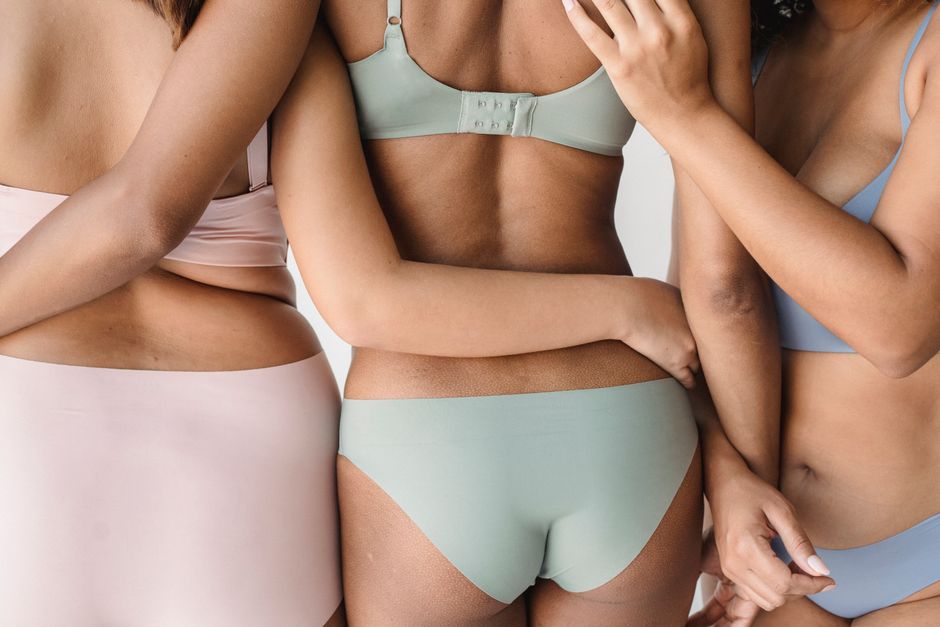
Lingerie care isn’t complicated. It’s just different from how you wash everything else. The payoff is real: proper care doubles the lifespan of your lingerie. That $80 bra becomes $40 per year instead of $160.
The lingerie industry has spent decades convincing women that delicate pieces are disposable. They’re not. Lace, silk, and microfiber are durable materials — when treated correctly. The problem is the average washing machine cycle is designed for jeans and towels, not for a $120 silk chemise.
Start tonight. Hand wash that bra you’ve been machine washing. Lay it flat instead of hanging it. Store it in a separate compartment. In 6 months, you’ll still have a bra that fits, supports, and looks good — instead of a sad tangle of fabric in the back of your drawer.