


Responsible Denim Brands: Responsible Denim Guide: Brands That Prioritize Planet and People
If you buy one pair of jeans this year, the most responsible choice is a pair from Nudie Jeans or Mud Jeans. Why? Because those two brands have the most transparent, third-party-verified supply chains for denim as of early 2026. This is not a ranking of “best” in a subjective sense. It is a conclusion based on publicly available audit reports, certification databases, and company disclosures. Below is the evidence.
What Makes Denim “Responsible”? The Legal and Certification Framework
No single law defines “responsible denim.” Instead, a patchwork of certifications and standards creates the benchmark. The three most rigorous are the Global Organic Textile Standard (GOTS), Fair Wear Foundation (FWF) membership, and Bluesign certification.
- GOTS covers the entire textile processing chain for organic fibers. If a denim brand says “organic cotton” but lacks GOTS certification, that claim is unverified.
- Fair Wear Foundation audits factories for labor conditions, wages, and working hours. Brands must publish audit results, including corrective action plans.
- Bluesign screens chemicals used in dyeing and finishing. Denim dyed with indigo often involves toxic reducing agents. Bluesign-verified mills replace those with safer alternatives.
The Cradle to Cradle Certified standard also applies to denim. It assesses material health, recyclability, and water stewardship. As of 2026, only a handful of denim products hold this certification. Most are from European mills.
This is not legal advice — consult a licensed attorney for compliance questions.
Five Brands With Verifiable Claims (and One to Skip)
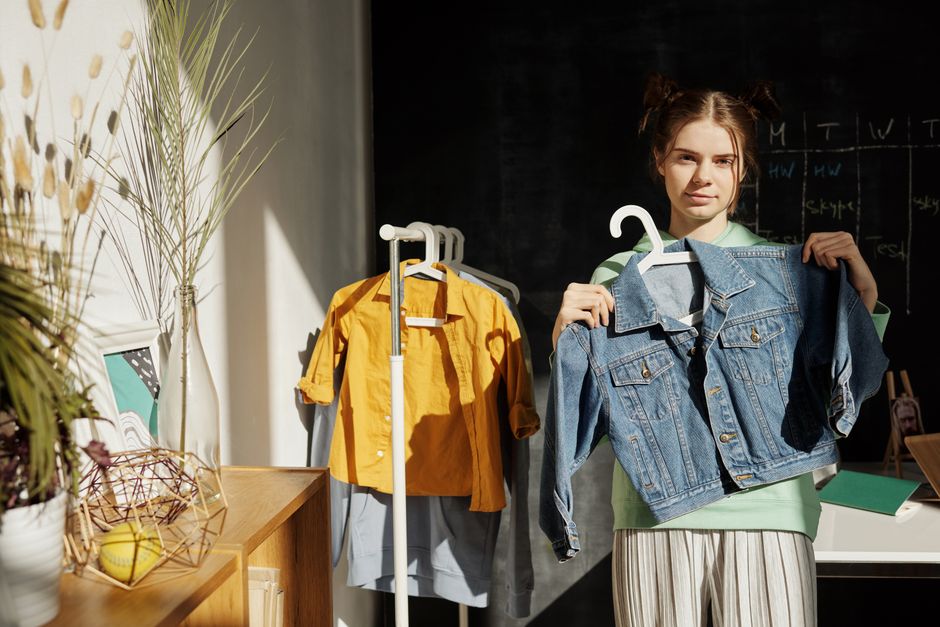
The following brands have made their certifications and audit results publicly searchable. Each is listed with the specific standards they meet as of early 2026.
| Brand | Key Certifications | Price Range (USD) | Verdict |
|---|---|---|---|
| Nudie Jeans | GOTS (organic cotton styles), Fair Wear Foundation member, Bluesign (selected mills) | $120–$250 | Strongest overall transparency. Publishes factory list and audit reports. |
| Mud Jeans | GOTS, Fair Wear Foundation, Cradle to Cradle (Gold for circularity) | $95–$185 | Best circular model. Lease-a-Jean program + take-back recycling. |
| Patagonia | Fair Trade Certified sewn, Bluesign (most styles), organic cotton | $89–$149 | Strong labor standards but limited denim styles compared to denim-specialist brands. |
| Everlane | Fair Trade Certified (select styles), organic cotton (ReNew line) | $68–$98 | Good entry price. But supply chain transparency is less granular than Nudie or Mud. |
| Reformation | GOTS (organic cotton styles), Fair Trade Certified (some factories) | $98–$168 | Fashion-forward cuts. Certifications apply only to specific seasonal drops, not entire line. |
| G-Star RAW | GOTS (selected styles), Cradle to Cradle (Bronze for some denim) | $110–$220 | Has certifications but limited public audit data. Less transparent than Nudie or Mud. |
One brand to approach with caution: Levi’s. Despite its “Water
How to Wash Denim So It Lasts (and Keeps Microplastics Out of Water)
Most denim contains a small percentage of synthetic fibers — usually elastane for stretch. Those fibers shed microplastics during washing. The fix is simple: wash less often. Denim does not need washing after every wear. Spot-clean stains with a damp cloth.
When you do wash, follow these steps:
- Turn jeans inside out. This reduces friction on the outer fibers.
- Use cold water. Hot water breaks down elastane faster.
- Skip the dryer. Air-dry flat or hang. Dryer heat damages cotton fibers and shrinks denim unevenly.
- Use a Guppyfriend bag or Cora Ball to catch microfibers. A 2026 study from the University of Plymouth found these devices capture up to 78% of released microplastics.
One more thing: never wash denim with bleach or fabric softener. Bleach weakens cotton. Softener coats fibers and reduces breathability. Your jeans will last twice as long without those products.
When NOT to Buy “Sustainable” Denim
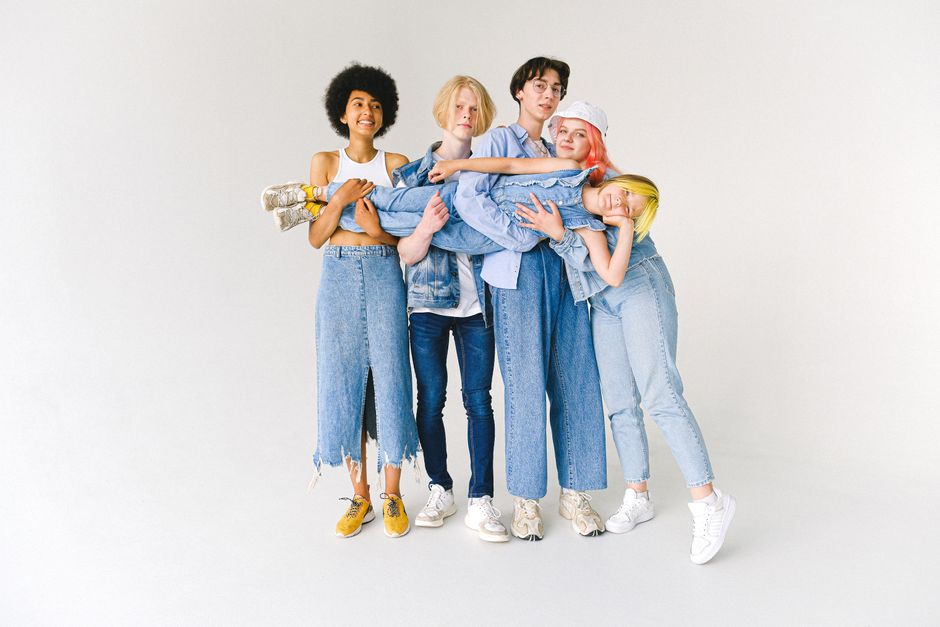
Sometimes the most responsible choice is not to buy new denim at all. Here are three situations where you should skip even the best-certified pair:
- You already own four or more pairs. The most sustainable garment is the one already in your closet. The average American owns seven pairs of jeans but regularly wears only three. If you have four or more, you likely do not need another.
- You are buying for a single event. Renting a pair of jeans for a themed party or costume costs less and creates zero new production. Rental services like Rent the Runway and Nuuly carry major denim brands.
- You want a specific wash or finish that requires heavy chemical treatment. Distressed, ripped, or heavily sandblasted denim requires additional chemical baths and manual labor. Those processes often involve hazardous substances like potassium permanganate. Brands that offer those finishes rarely hold Bluesign certification for those specific styles.
If you fall into any of those categories, buy secondhand. ThredUp, Depop, and Poshmark have thousands of certified organic cotton jeans listed for under $40.
Common Buyer Mistakes That Undermine Responsible Denim Choices
Three mistakes come up repeatedly in consumer surveys and retailer return data:
Mistake 1: Confusing “recycled polyester” with “sustainable denim.” A pair of jeans can contain 30% recycled polyester and still be dyed with toxic chemicals in a factory that pays below minimum wage. Recycled content is not a proxy for overall responsibility. Look at the full certification picture.
Mistake 2: Buying the wrong fit and returning it. Return shipping generates carbon emissions. Many denim brands, including Reformation and Everlane, do not resell returned items — they donate or discard them. Buy one size at a time, not three, to reduce waste.
Mistake 3: Assuming “organic cotton” means ethical labor. Organic cotton can be grown on farms that use child labor. The GOTS certification covers both organic fiber content and social criteria. If a pair says “organic cotton” but lacks GOTS, the labor conditions are unverified.
The Future of Responsible Denim: What to Watch for in Late 2026

Two regulatory shifts will change how denim brands make claims. First, the European Union’s Green Claims Directive takes full effect in 2027. It requires brands to substantiate environmental claims with third-party data. Any brand selling into the EU — including American brands like Levi’s and Everlane — must comply. That means more public audit data by late 2026.
Second, California’s SB 253 (Climate Corporate Data Accountability Act) requires companies with over $1 billion in revenue to report their full supply chain emissions starting in 2026. That includes denim production. Brands like Levi’s and VF Corporation (owner of Wrangler) will have to disclose factory-level data for the first time.
For now, the safest bet is a brand that already publishes that data voluntarily. Nudie Jeans and Mud Jeans do. The rest will catch up only when the law forces them to.