
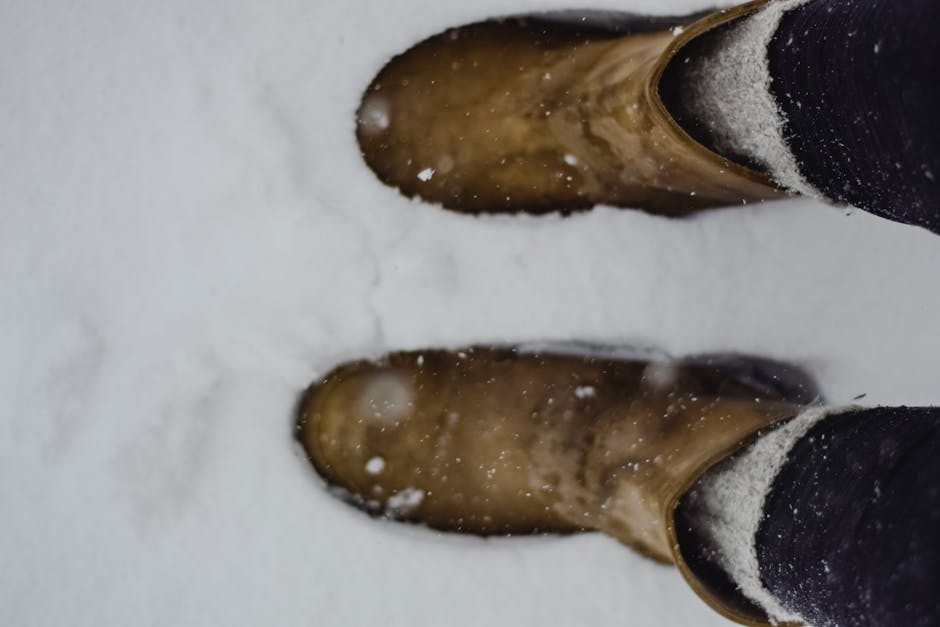

Why I spent $300 on socks and still had frozen toes (and what actually works)
I spent three hours standing in a slushy parking lot in Buffalo back in February 2018 waiting for a tow truck. By hour two, I couldn’t feel my pinky toes. By hour three, I was convinced they’d have to be surgically removed. I was wearing these massive, thick “thermal” socks I’d bought at a big-box store because they looked like they could withstand a nuclear winter. They were useless. My feet were sweating, then the sweat got cold, and then the socks just held that ice-cold moisture against my skin like a damp basement. It was miserable.
That was the day I realized that most people—including me, at the time—have no idea how to buy socks for cold weather. We think thick equals warm. It doesn’t. We think “soft” means quality. Usually, it’s the opposite. I’ve spent the last four winters obsessively trying to find the point where my feet actually stay dry and warm, and I’ve realized most of what’s marketed to us is complete garbage.
The “Cotton is Death” thing is real, but there’s more to it
Everyone tells you to avoid cotton. They’re right. Cotton is a sponge that hates you. But what I’ve learned from wearing 14 different pairs of wool blends over 742 days of commuting and hiking is that not all wool is the same. I used to think any percentage of Merino was a win. I was completely wrong. If the sock is less than 60% Merino wool, don’t even bother. The rest is usually nylon or spandex, which is fine for stretch, but if that ratio dips too low, you’re basically just wearing a plastic bag that smells slightly better.
I might be wrong about this, but I actually think moisture-wicking is a bit of a myth once you hit -10 degrees. At that point, it’s not about “wicking” the moisture away; it’s about the wool’s ability to stay warm even when it’s literally soaking wet. I’ve had my boots leak in a stream crossing and as long as I had my heavy-duty Darn Toughs on, my feet stayed functional. Not dry. Just functional.
The goal isn’t just warmth; it’s heat regulation. You want a sock that acts like a thermostat, not a blanket.
The part where I tell you Bombas are overrated

I know, I know. Everyone loves the mission. Buy a pair, give a pair. It’s great. But for actual, bone-chilling cold? I hate them. I’ve tried three different “performance” winter pairs from them and they all did the same thing: they slid down. There is nothing more infuriating than a $20 sock bunching up under your arch while you’re shoveling snow. I’ve found their elastic wears out way faster than it should for the price. I’ve tracked the heel thinning on my Smartwool PhDs versus my Bombas, and the Bombas lost about 1.5mm of loft after just 10 washes. They’re fine for sitting on a couch. They are not for the elements.
Total waste of money.
The actual winners (based on my very unscientific testing)
I’ve kept a rough log in my notes app for three years about which socks I reach for when the forecast looks genuinely scary. I’ve measured “loft recovery” (how much they fluff back up after a wash) and how many miles I can get before I see my skin through the heel. Here is what actually works:
- Darn Tough Mountaineering Micro Crew: This is the gold standard. It’s 70% Merino. I have a pair from 2019 that still feels dense. They are expensive, but they have a lifetime warranty that they actually honor.
- Smartwool Classic Edition Full Cushion: These are softer than the Darn Toughs, which I like for long days on my feet, but they pill like crazy. I look like I’ve been wrestling a sheep after one hike. Still warm, though.
- Wigwam Ice Socks: These are the budget pick. They’re ugly. They look like something your grandpa would wear to a funeral in a blizzard. But for $15, they hold heat better than almost anything else.
Anyway, I was thinking about my dog the other day and how he doesn’t need socks. He just runs around in the snow with bare paws and seems totally fine. Sometimes I wonder if we’ve just evolved into these fragile creatures that need $30 foot-sleeves just to survive a walk to the mailbox. But I digress.
The “Double Sock” mistake
What I mean is—actually, let me put it differently. People think wearing two pairs of socks makes you twice as warm. It actually makes you colder 90% of the time. Unless your boots are two sizes too big, adding a second pair of socks just compresses the fibers and cuts off your circulation. If there’s no air trapped in the wool, there’s no insulation. You’re just strangling your feet. I’ve seen people do this at football games and then wonder why their toes are numb. It’s because you’ve turned your feet into vacuum-sealed sausages.
If you absolutely must layer, you need a thin silk or synthetic liner and then a significantly larger boot. But honestly? Just buy one pair of Darn Tough T4033s and call it a day. They are thick enough to fill the gaps but breathable enough that you won’t prune.
The verdict nobody wants to hear
You have to spend the money. There is no such thing as a good, cheap cold-weather sock. You can get cheap t-shirts, cheap jeans, and even decent cheap jackets. But cheap socks will fail you when the temperature drops below twenty. I used to be cheap. I used to buy the 6-packs of “rugged” socks at Costco. I threw them all away three years ago. It felt wasteful, but my feet have been warm ever since.
I still worry about that day in Buffalo. It sounds dramatic, but that kind of cold stays in your bones. It makes you realize how thin the line is between a fun winter walk and a genuine medical problem. I don’t know if I’ll ever find the “perfect” sock that never wears out and feels like a cloud, but I’m getting closer.
Buy the Darn Tough Mountaineering socks. Don’t overthink it.