
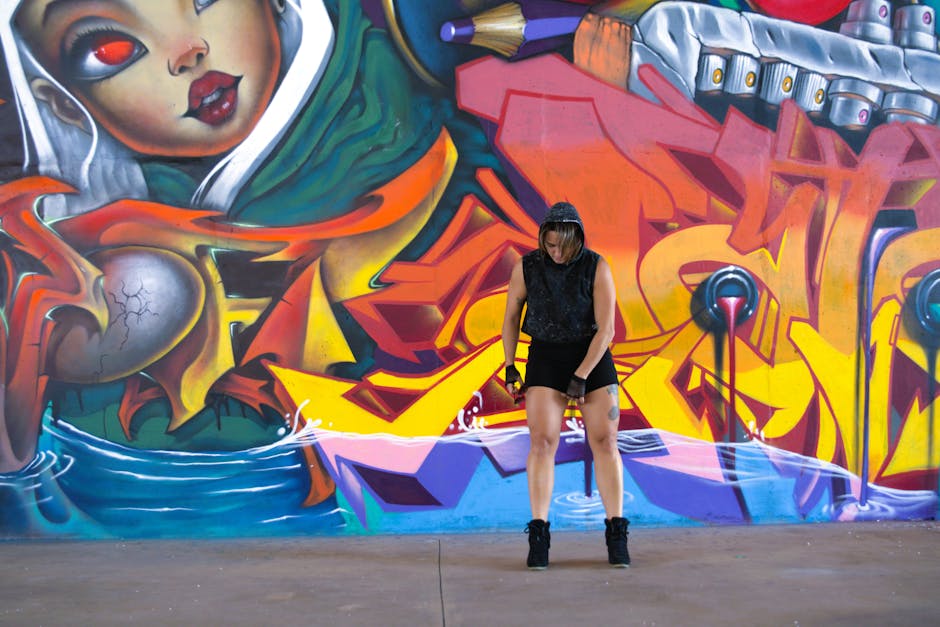

Hard Summer Outfit Ideas That Actually Hold Up in the Heat
You’re standing in front of your closet at 10am in July. It’s already 88 degrees. Everything you own either looks like you’re heading to a beach bonfire or attending a job interview. The gap between “comfortable enough to survive the heat” and “looks like I thought about this” feels impossible to close.
It’s not impossible. You just need to stop approaching summer outfits the way most people do.
Why Summer Dressing Feels Harder Than It Should
The problem isn’t the heat. The problem is that most people build summer outfits by subtraction — take a winter outfit, strip out the layers, call it done. That approach gives you a stripped-down version of something. Not a real look.
Hard summer outfits work differently. They start from scratch. The heat becomes a design constraint, not a problem to manage.
Think about what “hard” actually means here. It means the outfit looks complete. Intentional. Like someone made real decisions instead of grabbing whatever was clean. A white linen shirt tucked into tailored wide-leg trousers with simple sandals reads harder than a cropped tee and denim shorts — not because it cost more, but because it has structure. Every piece earns its place.
Summer is also when silhouette matters most. You can’t hide behind layers. Every proportion is visible. A billowy top with baggy shorts creates a shapeless situation. The same billowy top with slim-cut trousers creates a look. Same pieces, opposite result.
The Subtraction Trap
Removing warmth doesn’t automatically create style. A tank top is not an outfit. Neither is a mini skirt on its own. Hard summer dressing means building up from a base — silhouette first, then fabric, then the detail that signals intention. Skipping any of these steps is why the look doesn’t land.
Why Fabric Choices Hit Differently When It’s Hot
Linen, cotton gauze, and washed silk move in heat. They have drape. Polyester blends cling, sweat, and wrinkle badly. But the fabric choice is also aesthetic — linen wrinkles in a way that looks deliberate. A polyester blend wrinkles and looks tired. That’s not a small difference when everything else about your outfit is working.
The Three-Part Structure Every Hard Summer Outfit Has
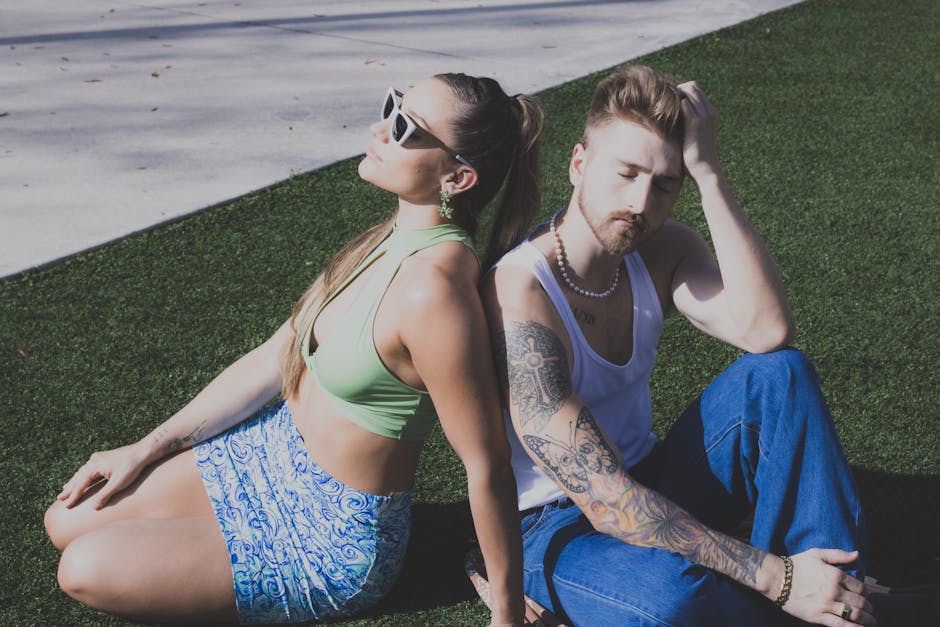
Every strong summer look has the same anatomy. The ratio shifts depending on the vibe, but the components are consistent: a foundation piece, a proportional contrast, and an anchor detail. Most people nail the first two and skip the third entirely. That’s why the outfit doesn’t quite land.
| Component | What It Does | Hard Options | What to Avoid |
|---|---|---|---|
| Foundation piece | Sets the silhouette | Wide-leg linen trousers, slip dress, tailored shorts, maxi skirt | Shapeless jersey shorts, oversized tees worn as dresses |
| Proportional contrast | Creates visual balance | Fitted ribbed tank, cropped button-down, bandeau, boxy linen shirt | Matching set in the same color and weight as the bottom |
| Anchor detail | Signals intention | Statement sandal, structured bag, single bold earring | Three accessories in three different metal tones |
The anchor detail is what most people skip. It’s the piece that makes the outfit look like you thought about it. One good sandal does more work than five mediocre accessories combined. When this component is missing, the outfit reads as “accidentally put together” rather than “deliberately put together.” That gap is everything.
Notice what the table doesn’t include: color. Color matters, but it’s not structural. Get the structure right first, then layer in color choices. An outfit with perfect proportions in neutral tones reads better than a colorful outfit with bad proportions every single time.
Five Outfit Formulas That Are Hard Every Time
These aren’t trend-dependent. They work because the proportions are structurally correct — and they’ll keep working regardless of what’s cycling through trend cycles.
- The Linen Suit, Worn Wrong. Not buttoned up. Not with heels. The Zara or Toteme linen wide-leg suit worn with a plain white tank underneath, the blazer open or loosely knotted at the waist, and flat mules or leather thong sandals. This reads expensive regardless of what you paid for it. The deliberate casualness is the whole move.
- The Slip Dress + Flat Sandal. The Reformation Beau Dress or any bias-cut slip in satin or washed silk. Nothing layered underneath. Flat leather sandals — Tkees or the Mango leather slide. A small clutch or no bag at all. The restraint is the point. Resist the urge to add a layer.
- The Denim Midi Skirt + Fitted Anything. An A-line or straight denim midi skirt with a fitted ribbed tank. One piece is voluminous, one is tight. That proportion is structurally why it works. The Agolde Hana skirt is the reference piece. The tank can be from Uniqlo for $15 and the look still holds.
- Tailored Shorts + Oversized Linen Shirt. Not denim cutoffs. Actual tailored shorts — H&M does a solid version under $40. Worn with a boxy linen shirt, mostly unbuttoned, and a flat leather sandal. This is the Southern European beach aesthetic that gets photographed constantly. For good reason.
- The Monochrome Texture Set. Same color on top and bottom, different textures or fabric weights. A cream crochet top with cream wide-leg pants. Or a terracotta ribbed set from ASOS. The color match reads intentional; the texture contrast keeps it from being flat. This is the easiest formula to execute because the color decision is already made for you.
The Proportion Rule That Fixes Almost Every Summer Outfit
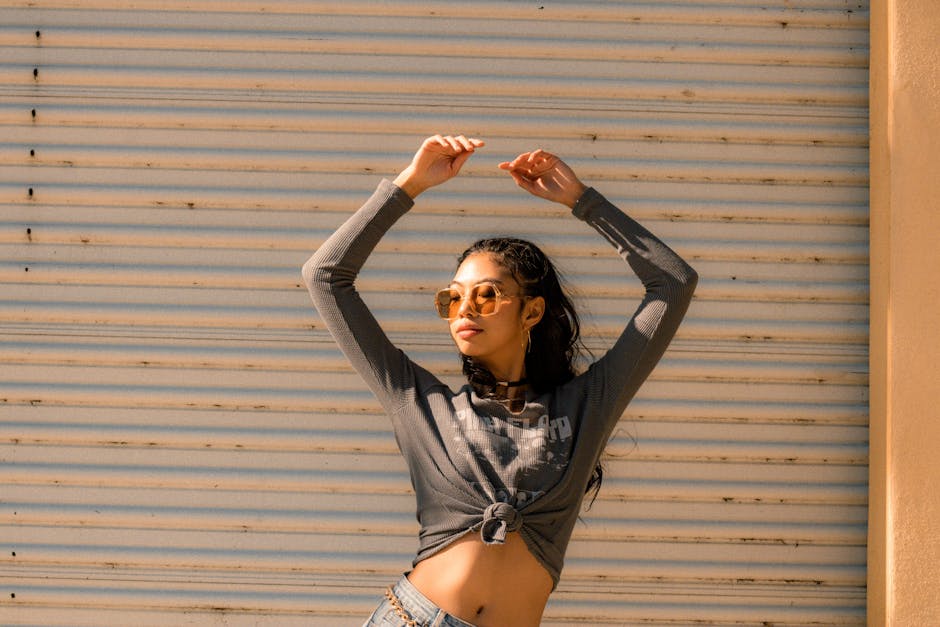
Loose on top means fitted on the bottom. Fitted on top means loose on the bottom. That’s the entire rule.
Violating it is why most summer outfits fail. Two loose pieces together require a cinching detail — a belt, a tied overshirt, something that creates definition — or the look collapses into shapelessness. Two fitted pieces together works for resort or athletic contexts only. For everything else: one fitted, one loose. No exceptions worth making.
When to Go Minimal and When to Push It
Most people trying to dress hard for summer over-accessorize. They add a belt, two necklaces, a structured bag, and statement earrings to an outfit that needed exactly one of those things. The result is chaotic, not curated.
The logic is direct: if the foundation piece is already statement-level — a bold color, a strong print, an unusual cut — the accessories should be quiet. If the foundation is neutral (white, black, cream, light denim), the accessories can carry more weight.
A Jacquemus Le Chiquito bag is already a statement. It doesn’t need statement earrings and a platform sandal competing for the same attention. Pick one focal point. A leopard-print midi skirt does not need a printed top. It needs a plain white fitted tank and a simple leather flat. That restraint is what makes the print look intentional instead of accidental.
The One-Statement Rule in Practice
Wear one piece that demands attention. Everything else supports it without competing. This is the actual difference between looking curated and looking undecided. The piece you want people to notice should be the only piece asking for that attention — and it should be asking loudly.
When Maximalism Works
Maximalism works when it’s cohesive. A head-to-toe color story — all terracotta, all cobalt, all sage green — reads as intentional. Random pattern mixing combined with random accessory stacking reads as indecision. If you want to go maximalist, commit to a single color narrative and build every piece around it. The commitment is what makes it work.
The Shoes and Bags That Actually Do the Work
What’s the best sandal investment for summer?
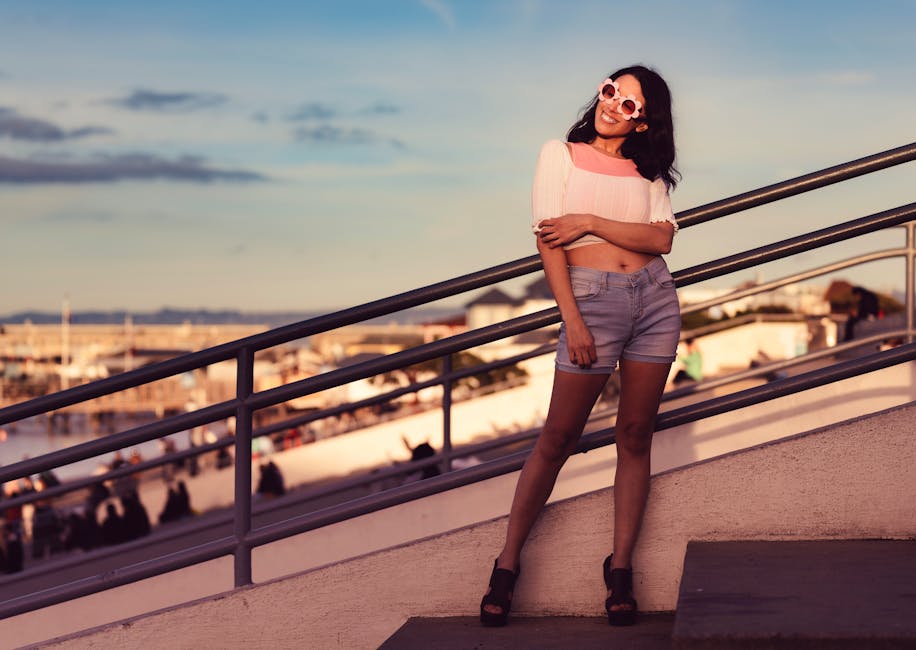
A flat leather sandal in a neutral — tan, cognac, black, or white. The Steve Madden Kassidy ($80) gets referenced constantly because the proportions are right and the leather holds up. If you want to spend more, the Tkees Flip Flop in nude leather is the one to own. Both work with everything from denim to washed silk. One sandal, every outfit covered.
Are platform sandals worth adding?
Platforms polarize looks. A chunky platform under a flowing midi skirt creates visual weight imbalance at the hem — the bottom of the outfit competes with the movement of the fabric. Under a mini dress or fitted shorts, they distribute weight correctly. The Steve Madden Slinky ($100) is the reference point for this category. If you go platform, keep everything above the ankle streamlined or it tips into costume territory.
What bag works hardest in summer?
Small and structured beats large and slouchy every time. A top-handle bag or micro shoulder bag. The Polène Numéro Un Micro (~$185) is the budget-luxury reference — real leather quality, silhouette that works against both casual and elevated looks. At lower price points, the Mango leather-look bucket bag at $50 punches above its weight. Avoid: canvas totes used as statement bags. Functional? Yes. Hard? No.
When do sneakers belong in a summer outfit?
When the rest of the outfit is elevated enough to absorb the casualness. New Balance 550s with a slip dress works because the contrast is deliberate — the shoe casualness reads as a choice, not a default. Chunky sneakers with low-slung shorts and a crop top creates too much visual noise at foot level. Match the shoe energy to what the outfit is already doing.
Staying Cool Without Dressing Down
The real heat problem isn’t wearing less fabric — it’s wearing the right fabric. A loose linen shirt worn open over a tank in direct sun actually keeps you cooler than just the tank alone. More coverage from the right material reduces heat absorption and protects from direct sun. The mistake is treating “less clothing” as automatically “cooler.”
| Fabric | Breathability | How It Looks | Best Use |
|---|---|---|---|
| Linen | Excellent | Relaxed, textural, intentional | Any outdoor setting, all day wear |
| Cotton gauze | Excellent | Light, ethereal, effortless | Beach to casual dinner |
| Washed silk | Good | Polished, fluid, elevated | Evenings, lower humidity days |
| Ramie | Good | Crisp, structured, refined | Tailored summer looks |
| Cotton jersey | Medium | Sporty, casual | Athleisure only |
| Viscose/rayon | Medium | Can look cheap at lower price points | Avoid for key pieces |
| Polyester blend | Poor | Clingy, tired-looking in heat | Avoid in summer entirely |
Linen is the correct answer for hard summer dressing. It wrinkles — and linen wrinkles look deliberate. The Uniqlo Premium Linen straight pants at $60 are genuinely excellent for what they cost. Arket and Everlane both carry strong linen pieces in the $80–$150 range that hold shape well. Own two or three linen pieces in neutrals and you have a summer wardrobe foundation that doesn’t fail.
One practical note: most of summer is spent moving between air conditioning and actual heat. A lightweight linen overshirt or a thin ribbed cardigan solves this without adding bulk or killing the look. The outfit works at dinner without a jacket and during the walk there without suffering. That transition problem is what actually kills summer dressing — solve it once and stop thinking about it.