
Blazers Under 1000: Ditch the Fast Fashion, Get Real Style
Alright, let’s get real for a second. I’ve been through the style trenches, bought my fair share of regrettable garments, and spent too much money on things that ended up looking like a crumpled paper bag after three washes. If you’re like I used to be, you probably think getting a truly great blazer means emptying your savings account or settling for something that feels…off. That’s the biggest misconception I want to clear up right now.
You see, most guys (and women, though my specific brand recommendations here lean heavily on my menswear experience) look at a price tag under a grand and think it means compromise. Or, worse, they spend a couple of hundred bucks on something from a fast-fashion brand, wear it a few times, and then wonder why it looks terrible and fits even worse. I’m here to tell you that finding phenomenal blazers under $1000 isn’t just possible, it’s the sweet spot for getting serious style without breaking the bank. It’s about smart shopping and knowing what to look for, not about spending a fortune.
The Myth of the “Cheap” Blazer
Let me be blunt: most of what you see in the mall for under $200 isn’t a blazer; it’s a costume piece. I know it’s tempting to grab something trendy and affordable, but I’ve been there, done that, and ended up with a closet full of clothes I never wore. These “blazers” often fall apart, lose their shape, or just look cheap the moment you try to dress them up.
My advice? Don’t buy those blazers. Ever. They are a waste of money, pure and simple. You’ll wear it once, maybe twice, and then it’ll hang there, a monument to a fleeting trend and poor fabric. Investing a bit more, even just $300-$500, can get you something that lasts years and looks infinitely better. It’s not about the initial sticker price; it’s about the cost per wear. A blazer you spend $500 on and wear 50 times costs you $10 a wear. That $100 blazer you wear twice? That’s $50 a wear. See the math?
Why your $150 blazer fails quickly
It usually comes down to two things: fabric and construction. Fast fashion blazers are almost always made from cheap synthetic blends like polyester or rayon. These fabrics don’t breathe, they pill easily, they wrinkle horribly, and they just don’t drape well. They look lifeless on your body. Beyond that, the construction is usually ‘fused.’ This means the outer fabric is glued to an inner lining (interfacing) to give it shape. Over time, or with cleaning, that glue can delaminate, creating bubbles and an irreversible cheap look. It’s a hard pass from me.
Spotting quality fabric and construction
When you’re looking for quality, pay attention. Good blazers feel substantial but not stiff. You want natural fibers for breathability and drape. Wool is the gold standard, but we’ll get into that more. For construction, the gold standard is full-canvas, then half-canvas, then fused. Most blazers under $1000 will be half-canvas, which is excellent. It allows the blazer to mold to your body over time and offers a much better drape and lifespan than a fused jacket. Feel the lapel; a good one should roll naturally, not lie flat and stiff.
Understanding Blazer Fabrics: Wool is Always King

If you’re buying a blazer, especially one you want to wear often and for more than one season, wool needs to be your primary focus. I’ve experimented with every fabric under the sun, and nothing beats wool for versatility, drape, durability, and breathability. Period. Sure, linen and cotton have their place for summer, but for a core blazer, wool is your ride-or-die.
Wool is naturally wrinkle-resistant, breathes beautifully (even in warmer weather, if it’s a lighter weave), and holds its shape incredibly well. It’s also remarkably durable. I have wool blazers that are a decade old and still look fantastic because I’ve cared for them. Don’t fall for the trap of “super” numbers being the only indicator of quality. Super 100s to 120s are usually perfect for blazers – durable enough for regular wear without being overly delicate like some of the higher super counts.
Worsteds vs. Flannels: Choosing the Right Weight
When we talk about wool, there are different types, each with its own character. For an all-purpose blazer, a worsted wool is probably what you want. It’s smooth, durable, and can range from light-as-air tropical weaves for summer to heavier, more structured weaves for year-round wear. A worsted wool blazer in navy or charcoal is probably the most versatile item you can own. I wear mine constantly.
Flannel wool, on the other hand, has a softer, brushed, slightly fuzzy texture. It’s warmer and perfect for colder months. Think rich greys, browns, or even a deep forest green. It has a fantastic texture that adds depth to an outfit. You wouldn’t wear a heavy flannel blazer in July, but it’s pure class from October to March. Tweed is another type of wool, very rugged and textured, excellent for a more casual, country-inspired look. I’d start with worsted, then add flannel.
Why I avoid most synthetics
Unless you’re looking for something very specific, like an unlined, highly technical travel blazer made from a modern performance blend that actively wicks moisture, stay away from full-synthetic blazers. They don’t breathe well, leading to discomfort. They can look shiny and artificial under certain lights. And they often don’t age gracefully, tending to pill or lose their shape. Save your money. The only exception I make is for very specific wool-silk or wool-linen blends, which combine the best properties of natural fibers for texture or lightness, but even then, wool should be the dominant fiber.
Fit is Non-Negotiable: The Tailor is Your Best Friend
Listen up: You can buy the most expensive blazer in the world, but if it doesn’t fit, it looks terrible. Conversely, a moderately priced blazer that fits perfectly looks like a million bucks. This is where most people go wrong. They buy off the rack, assume it’s good enough, and miss out on true style. I’ve learned, the hard way, that budgeting an extra $50-$100 for tailoring is not an option; it’s a mandatory part of buying a blazer. Think of it as part of the purchase price.
No two bodies are alike, so an off-the-rack blazer will almost never be perfect. The key is to buy a blazer that fits the hardest parts to alter and then have the rest adjusted. A good tailor can work wonders, but they’re not magicians. They can’t fix everything. This is crucial.
Shoulder Fit: The Golden Rule
This is the absolute most important aspect of blazer fit. The shoulder seam needs to end exactly where your shoulder ends. Not an inch over, not an inch under. If the shoulder pads extend past your natural shoulder, the blazer is too big, and it’s almost impossible (or prohibitively expensive) to fix. If the shoulder seam sits too far up your arm, it’s too small, and it will pull and look tight across your back. Get the shoulders right, and everything else is usually adjustable.
Sleeve and Length: Getting it just right
Once the shoulders are locked in, focus on sleeve length and overall jacket length. For sleeves, you want about a quarter to half an inch of your shirt cuff to show when your arm is at rest. This typically means the blazer sleeve should hit around your wrist bone. Too long, and it looks sloppy; too short, and it looks like you’ve outgrown it. Most tailors can shorten or lengthen sleeves, often from the cuff or, for a cleaner look, from the shoulder (though this is more expensive).
For jacket length, a good rule of thumb is that the blazer should cover your butt. When you stand naturally, your cupped hands should just touch the bottom hem. Some modern styles are a bit shorter, but avoid anything that leaves your shirt exposed below the blazer. It looks unbalanced. A tailor can shorten a blazer, but lengthening it is often impossible if there isn’t enough fabric to work with.
My Top Picks: Blazers Under $1000 That Deliver
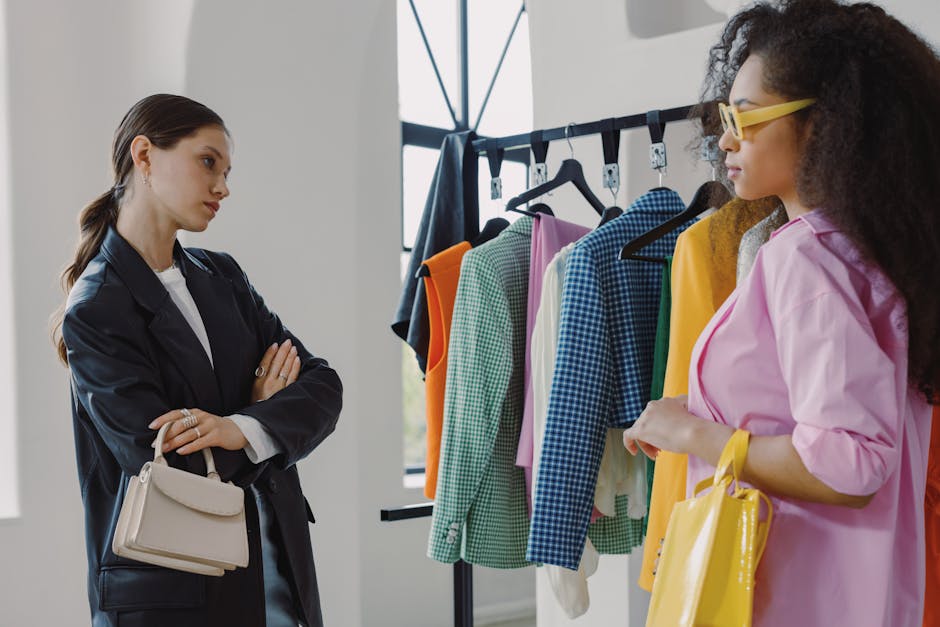
Now, for the fun part. After years of trying different brands, spending money on hits and misses, I can confidently tell you where to put your money for a blazer under $1000. These are the brands that consistently deliver on quality, construction, and style, giving you far more bang for your buck than you’d expect. My focus here is largely on menswear, as that’s where my personal experience lies, but the principles of fabric and fit apply universally.
SuitSupply: The Best Bang for Your Buck
If you’re serious about getting a high-quality, half-canvas blazer with fantastic fabrics for a reasonable price, SuitSupply is my first recommendation, hands down. I’ve owned several of their blazers over the years (Lazio, Havana, Siena cuts), and they punch way above their weight class. Their blazers typically range from $400 to $700, depending on the fabric and collection. They use excellent Italian wools, have a range of fits from slim to more relaxed, and the half-canvas construction means they drape beautifully and last. Their customer service and in-store tailoring are also top-notch. For an off-the-rack blazer, the fit is often surprisingly good, but a minor adjustment here or there makes it perfect.
Spier & Mackay: Canvas Construction for Less
For those who really appreciate construction, Spier & Mackay is an absolute gem. They offer full-canvas blazers for significantly less than their competitors, often in the $400 to $700 range for their core collection. This is remarkable. A full-canvas blazer will mold to your body over time in a way that half-canvas just can’t quite match. Their fabrics are also excellent, sourced from reputable mills. They have various cuts to suit different body types. If you’re looking to graduate to true sartorial quality without spending thousands, Spier & Mackay should be at the top of your list. Their return policy is good, but just be aware that sizing can sometimes be a bit tricky if you’re not used to traditional tailoring. Once you nail your size, you’ll be hooked.
J.Crew Ludlow: A Reliable Starter
For a reliable, stylish, and easily accessible option, the J.Crew Ludlow blazer is an evergreen choice. I’ve recommended it to countless friends as their first “real” blazer. They often retail between $300 and $500, and you can almost always find them on sale. The Ludlow offers a modern, relatively slim fit that works for many body types. While not always half-canvas (some are, some aren’t), the fabrics are generally good wools and wool blends, and they hold up well for the price. It’s a great stepping stone to higher-end blazers and incredibly versatile for dressing up or down. Just be sure to catch it during one of their frequent sales.
Reiss: Modern Sleekness
If your style leans more contemporary and sleek, Reiss offers fantastic blazers that often fall within the $600-$900 range. Their designs are sharp, with a focus on clean lines and modern silhouettes. They use quality fabrics and offer a sophisticated aesthetic that works well for both business and smart-casual occasions. While they might be on the higher end of the under-$1000 spectrum, their style quotient is undeniable. If you want something that feels a bit more fashion-forward but still timeless, Reiss is a solid contender.
What to Absolutely Avoid
Here’s the super short, no-fluff verdict: Don’t buy a blazer that’s 100% polyester or any other cheap synthetic blend. Unless it’s a highly specialized performance fabric for travel (and that’s a different category entirely), it won’t look good, it won’t feel good, and it won’t last. Also, stay away from anything with overly aggressive, fleeting trends—super narrow lapels, excessively cropped lengths, or bizarre embellishments. These things date incredibly fast, and you’ll regret the purchase in a year.
The Long-Term Value: Why I Buy What I Buy
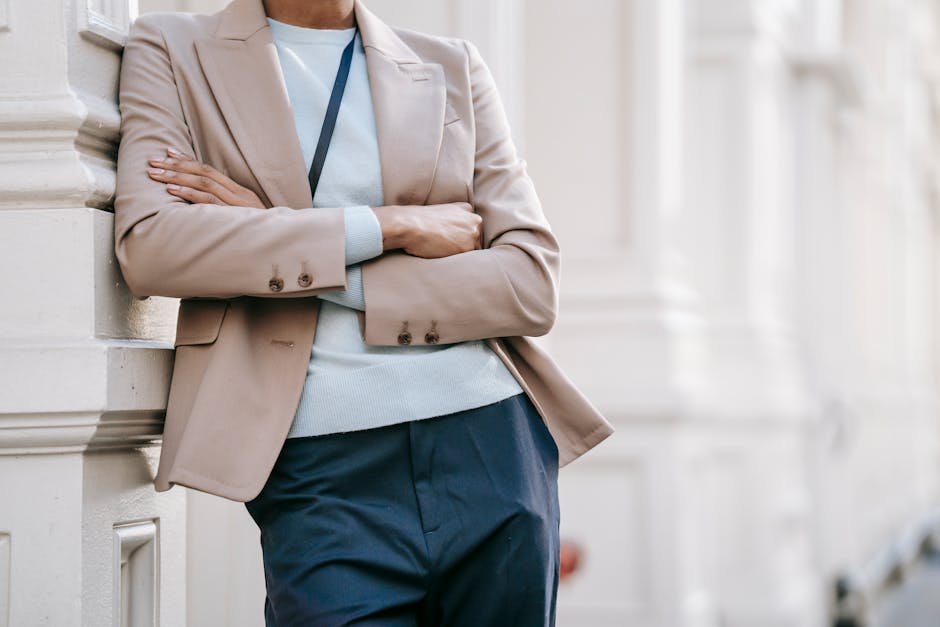
I’ve been wearing blazers for decades, and my philosophy has evolved. It’s no longer about chasing the lowest price, but about maximizing value and longevity. When you buy a quality blazer under $1000 from brands like SuitSupply or Spier & Mackay, you’re not just getting a jacket; you’re investing in a versatile piece that will anchor your wardrobe for years. It’s a for your personal style.
Think about the cost per wear. A $600 blazer worn 100 times costs you $6 per wear. A $100 fast-fashion blazer worn 5 times costs you $20 per wear. The math doesn’t lie. Quality pays for itself in the long run, both in dollars and in how confident you feel when you wear it. I’ve learned that lesson, and I hope you can too, without going through all the trial and error I did.
Investing in Quality vs. Quantity
It’s simple: I’d rather have three truly great blazers that fit me perfectly and stand the test of time than ten mediocre ones that make me feel self-conscious. Quality pieces elevate your entire wardrobe. They mix and match better, hold their shape, and simply look more refined. You might spend more upfront, but you’ll spend less over time because you won’t be constantly replacing worn-out items.
My Personal Experience with Longevity
I have a navy SuitSupply Havana blazer that I bought five years ago for about $550. I’ve worn it for business casual, date nights, and even dressier events. It’s been tailored once for a slight waist adjustment, and it still looks fantastic. The fabric is still crisp, the half-canvas construction is holding strong, and it continues to be one of the most versatile pieces I own. That’s the kind of value I chase. You should too.
| Feature | Fast Fashion Blazer (e.g., Zara) | J.Crew Ludlow | SuitSupply Havana | Spier & Mackay (Core) |
|---|---|---|---|---|
| Price Range | $80 – $250 | $300 – $500 | $400 – $700 | $400 – $700 |
| Construction | Fused | Fused to Half-Canvas | Half-Canvas | Full-Canvas |
| Fabric Quality | Poly-blends, cheap wool | Good wool blends | Sourced Italian wool | Sourced Italian/UK wool |
| Durability | Low (1-2 years) | Medium (3-5 years) | High (5-10+ years) | Very High (10+ years) |
| Tailorability | Limited | Good | Excellent | Excellent |
| Overall Value | Poor | Good | Excellent | Outstanding |