

Pajamas for Young Women: Fabric, Fit, and 8 Sets That Hold Up
Most pajamas look good in the photo and feel terrible after six washes. The set with the cute floral print pills by month two. The satin robe turns into a static nightmare every time you pull it over your head. The “buttery soft” shorts have a waistband that digs in by 2am.
This guide cuts through all of that. Fabric first, fit traps second, then specific product picks with honest reasoning — no vague advice about “prioritizing comfort,” no sponsored rankings.
Why Fabric Is the Only Spec That Actually Matters
The pattern, the cut, the color — none of it matters if the fabric is wrong. Fabric determines how hot you sleep, how fast the set wears out, and whether it still looks acceptable after 40 machine washes. Young women who buy pajamas based on aesthetics alone typically replace them within 12 months. The ones who prioritize fabric keep sets for three or four years. That’s the entire case for reading this section.
Cotton, Linen, and Flannel: The Breathable Category
Standard 100% cotton breathes well, washes easily, and doesn’t cost much to produce — which is why it dominates the market. Look for “percale” (smooth, crisp finish) or “jersey” (stretchy, relaxed) depending on your preference. Avoid blends labeled “cotton-polyester” — the polyester cuts the cost but also the breathability, and you’ll feel it on warm nights.
Flannel is the same logic shifted for cold-weather sleeping. Heavier, warmer, and surprisingly durable when the GSM (grams per square meter) is right. Look for 150GSM or higher. Below that, flannel thins out and pills faster than expected. J.Crew’s flannel pajama sets (~$80) hold up well through repeated washing — which is a stronger endorsement than any product photo.
Linen is niche. Better breathability than cotton in heat, but wrinkles aggressively and softens slowly over time. Worth considering for summer if you run extremely hot. Otherwise, it’s more of an aesthetic choice than a practical one.
Modal and Bamboo: Where Most Young Women Should Start
Modal is a semi-synthetic fiber derived from beechwood pulp. It’s noticeably softer than standard cotton from the first wash, doesn’t pill at the same rate, and stays soft through years of laundering. This is the fabric behind the Eberjey Gisele set’s reputation — there’s a reason it’s one of the most repurchased pajama sets on the market year after year.
The good news: modal doesn’t have to cost $135. Quince sells a Modal Pajama Set for around $50. Same fiber quality as premium brands, substantially less money. If you’re new to modal and want to test whether it’s worth the investment, start there before committing to the higher-priced version.
Bamboo viscose is often marketed alongside modal as a soft, eco-conscious alternative. The fabric quality is genuinely good — temperature-regulating and durable. The eco-friendly claims are more complicated, since manufacturing involves significant chemical treatment that brands underplay. Still a quality choice. Just don’t buy it specifically because you think it’s greener than cotton — that’s a marketing story more than a material fact.
Silk and Satin: Know the Difference Before Spending $200
Real silk is a protein fiber produced by silkworms. It regulates temperature well, feels unlike anything else against skin, and costs accordingly — expect $150–$250 for a quality set. Lunya’s Washable Silk Set (~$198) uses 30-momme silk that’s machine-washable, which is rarer than it should be and genuinely useful for daily wear without dry-cleaning bills.
Momme weight is the spec that determines silk quality. Under 19 momme = too thin and fragile. 22–30 momme = the functional range for pajamas. Over 30 momme = better suited to bedding than sleepwear.
Polyester satin is not silk. It looks similar in photos, costs a fraction of the price, and traps heat. If a “satin” set costs $25, it’s polyester. Fine for occasional wear and the aesthetic can be nice, but it won’t last and it won’t feel the same. Buy it knowing what it is.
The Fit Traps That Make Most Pajama Sets Unwearable
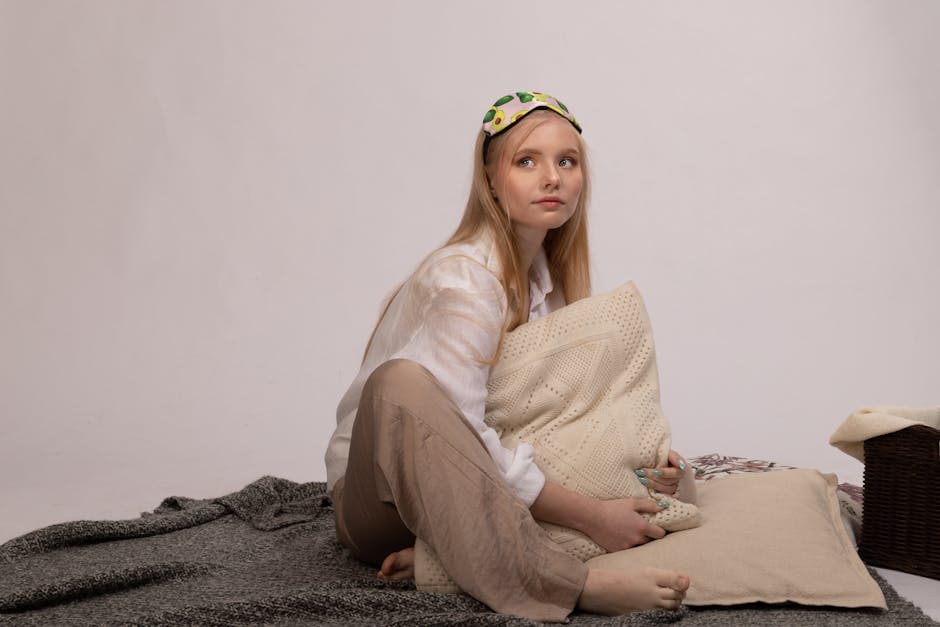
Pajamas don’t fit like daywear. Brands size tops and bottoms together as matched sets, which creates real problems when your proportions don’t align with whoever the brand sized their set for. These are the specific issues that come up most often:
- Waistband degradation. Elastic waistbands on cheaper pajama pants lose tension within 12–18 months of regular washing. Look for bands at least 2 inches wide with a functional drawstring backup. The drawstring is not decorative — it saves the pants when the elastic eventually gives out, which it will.
- Shorts that run shorter than expected. A “4-inch inseam” on a model looks different on you. If you’re 5’7″ or taller, size up in shorts and expect to size up in the top to keep the set matched.
- Button-front tops that gap at the chest. Most pajama tops are sized with a smaller bust assumption than the bottoms assume for hips. If this is you, size up in the top and look for brands that sell separates so you can mix sizes across pieces.
- Pants cuffed for shorter legs. Standard inseams run short for taller buyers. Specifically seek out “tall” options or brands that publish inseam measurements — those numbers are on every product page and take 30 seconds to check.
- Inconsistent vanity sizing between brands. A medium in one brand runs like a small in another. Use the specific centimeter measurements, not the size label. This prevents the return that costs you a week of waiting.
The cleanest fix for most fit problems: buy separates when the brand allows it. Full matched sets work fine when your proportions align. When they don’t, separates let you size each piece correctly rather than compromising on both ends.
Sleep Style vs. Pajama Style: A Compatibility Table
Most buyers choose pajamas based on what looks good. The people who consistently wear their pajamas choose based on how they sleep. These are different decisions, and the mismatch is why so many sets end up unworn in a drawer after three months.
| Sleep Profile | Best Pajama Style | Avoid | Fabric Priority |
|---|---|---|---|
| Hot sleeper | Short shorts + tank or cami | Full-length flannel, polyester satin | Lightweight modal, bamboo, or cotton jersey |
| Cold sleeper | Long pants + long-sleeve top | Thin satin or linen sets | Flannel (150GSM+), heavyweight cotton |
| Side sleeper | Loose fit, minimal seams at hip | Wide lace trim, structured waistbands | Fabric matters less — seam placement matters more |
| Active sleeper (moves constantly) | Close-fit but stretchy | Loose button-front tops that shift | Modal or jersey knit with 4-way stretch |
| Lounges in pajamas beyond sleep | Matching set that looks intentional | Ratty oversized tee and mismatched shorts | Modal or pima cotton — needs to hold shape all day |
The Loungewear-Pajama Crossover
Work-from-home schedules blurred the line between sleepwear and everyday lounging, and brands followed the demand. If you want a single set that handles both — sleeping and looking presentable without getting dressed — prioritize ribbed or jersey knit construction in a close fit with neutral colorways. That combination reads as deliberate rather than accidental. The specific products that land in this crossover category are in the mid-range picks section below.
Best Pajama Sets Under $60
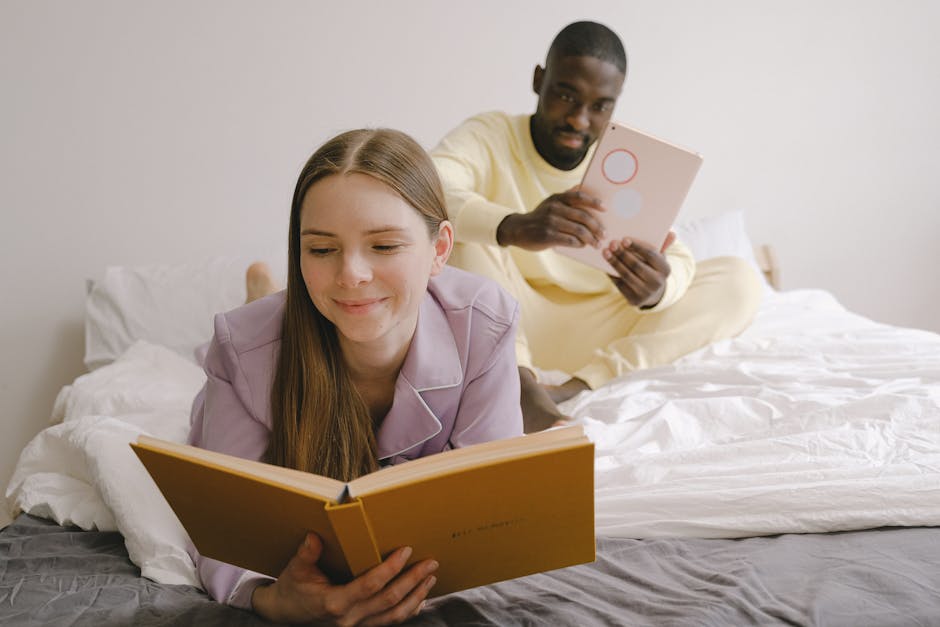
The Quince Modal Pajama Set (~$50) is the right answer at this price. Genuine modal fabric, clean silhouette, minimal branding, and quality that competes with sets costing two to three times as much. At this budget, the two questions that matter are whether the fabric holds up and whether the waistband is designed well enough to last — the Quince set passes both. Two additional picks for specific needs:
Amazon Essentials Classic-Fit Pajama Set — ~$28
100% cotton, relaxed fit, available in a wide range of patterns including solids and classic plaids. Nothing exciting here. But it washes without unusual pilling, the waistband is wider than most competitors at this price, and it’s available in enough sizes to fit broadly. This is the set you buy when you need something functional and you’re done thinking about it. Also the most defensible gift option in this guide — low-stakes and broadly wearable.
Soma Cool Nights Pajama Set — ~$55–$65
Soma’s proprietary Cool Nights fabric is a nylon-spandex blend designed specifically for hot sleepers. It moves moisture away from skin faster than cotton can manage. The trade-off is a slightly synthetic feel — it’s cooler against the skin but lacks the natural softness of modal or cotton. If you wake up sweating even in lightweight cotton, this set is worth testing. Soma runs promotions consistently, so the effective price is often closer to $45.
Mid-Range Sets Worth the Price Jump ($60–$150)
Spending more on pajamas makes sense in exactly one situation: you’ve already replaced the cheap version and want something that lasts three to five years instead of one. These sets earn their price through durability and sustained comfort, not just impressive softness out of the package.
Eberjey Gisele Long Pajama Set — ~$135
The benchmark. Modal fabric at approximately 220GSM — heavier than most competitors — which is why it stays soft longer and resists pilling through extended wash cycles. The button-front top is cut to avoid the chest-gap issue that plagues most pajama tops in this style. Available in XS through 3X, runs true to size. The price feels steep until you’re still wearing the same set in year three while the $40 alternative has been replaced twice. Long-term, it’s often the cheaper choice.
Lake Pajamas Everyday Pima Set — ~$120
Pima cotton, not modal — which makes this the right recommendation for buyers who want natural fiber without any synthetic processing. The fit runs slightly roomier than Eberjey, with a fuller pant cut that works well for non-restrictive sleep. Lake offers tall sizing and sells separates, which resolves the matched-set proportions problem for a lot of buyers. The prints are more distinctive than most competitors — not a universal preference, but genuinely unique if you want something beyond solid neutrals.
Skims Cotton Rib Sleep Set — ~$88
The crossover pick. Ribbed 95/5 cotton-elastane holds shape through repeated washing, looks deliberately styled rather than slept-in, and works across sleep and daytime lounging without looking like you forgot to get dressed. If the Eberjey set is your dedicated sleep set, the Skims Cotton Rib is what you buy for everything adjacent — working from the couch, morning errands, answering a video call. The two sets together cover every scenario without redundancy.
When a Matching Set Is the Wrong Purchase
If your sleeping temperature fluctuates seasonally, or you have a meaningful size difference between your top and bottom half, a matched set forces a compromise you didn’t want. Buy a quality sleep tank separately, quality sleep pants separately, and a lightweight robe to layer. You’ll have more functional combinations than any single set provides, you can replace individual pieces as they wear out, and you won’t be stuck tolerating the bottom half because the top fit perfectly.
How to Build a Sleep Wardrobe That Actually Gets Used
Most young women own pajamas they don’t wear. Either they’re too nice to actually sleep in, uncomfortable enough to abandon by midnight, or worn out enough to be embarrassing. The solution isn’t buying more — it’s making better decisions upfront and not repeating the same purchase that didn’t work.
Do you actually need the matched set?
Matched sets are cheaper to produce and easier to market. They’re the right choice when your proportions align with the brand’s sizing. But if you’re compromising on either piece to get the set, you’ve bought a set where half won’t get worn. Lake Pajamas, Eberjey, and Free People’s sleep line all offer separates. Use that option when it exists — it’s there specifically for this problem.
How many pairs do you actually need?
Two to three. One in use, one in the wash, one as backup. More than three and sets start sitting in the drawer unused. If you’re actively rotating five sets, you’re either traveling constantly or the current sets aren’t comfortable enough to wear consistently — which is a different problem than needing more pajamas.
When does spending $130 actually make sense?
When the use case justifies it. If you work from home and spend 10+ hours a day in pajamas or loungewear, a $135 Eberjey set amortized over three years costs less per wear than a $28 Amazon set you replace annually. If pajamas are strictly for sleeping seven hours a night, the Quince modal set at $50 is the rational ceiling. Neither answer is wrong — they’re just for different situations.
The real mistake isn’t spending too much or too little. It’s buying the same mediocre set twice because the first one fell apart before you figured out what was wrong with it.