
Comfortable Heels For Office: 8 Comfortable Heels for All-Day Wear at the Office
Seventy-two percent of women say they’d wear heels more often if they didn’t hurt. That stat from a 2026 American Podiatric Medical Association survey is the reason this guide exists. You don’t need to choose between looking professional and walking without a limp. The right heel exists — you just need to know what to look for.
What Makes a Heel Actually Comfortable for 8 Hours?
Comfort in heels isn’t about a magic gel insert. It’s about three specific design features that work together.
Heel Height and Platform Balance
Heels between 1.5 and 2.5 inches put the least strain on your Achilles tendon and forefoot. A 2-inch heel with a 0.5-inch platform gives you the same leg-lengthening look as a 2.5-inch stiletto but reduces the angle your foot has to bend. Clarks Enerwa Air ($110) uses this exact setup — 2-inch heel with a hidden 0.5-inch platform. Your foot sits almost flat while you look like you’re wearing a proper heel.
Arch Support and Cushioning
Most heels have zero arch support. Your arch collapses, your weight shifts to the ball of your foot, and by 2 PM you’re taking them off under your desk. Look for heels with built-in orthotic-grade arch support. Vionic Kimmie ($130) has a podiatrist-designed footbed that cradles your arch. The difference is immediate — your weight distributes evenly across your whole foot instead of crushing the front.
One more thing: memory foam isn’t your friend. It molds to your foot in the first hour, then compresses flat by hour four. Look for Poron cushioning or EVA foam — these materials bounce back after each step. Naturalizer uses Poron in their Naturalizer Banks ($99) and it makes a real difference.
Toe Box Shape and Width Options
Pointy toes squeeze your toes together and create pressure points. A rounded or almond-shaped toe box gives your toes room to spread naturally. Even better: brands that offer wide widths. Aerosoles Stitch Right ($79) comes in medium and wide widths with a rounded toe. Your toes don’t hit the end of the shoe when you walk.
Common Mistakes That Ruin Comfortable Heels
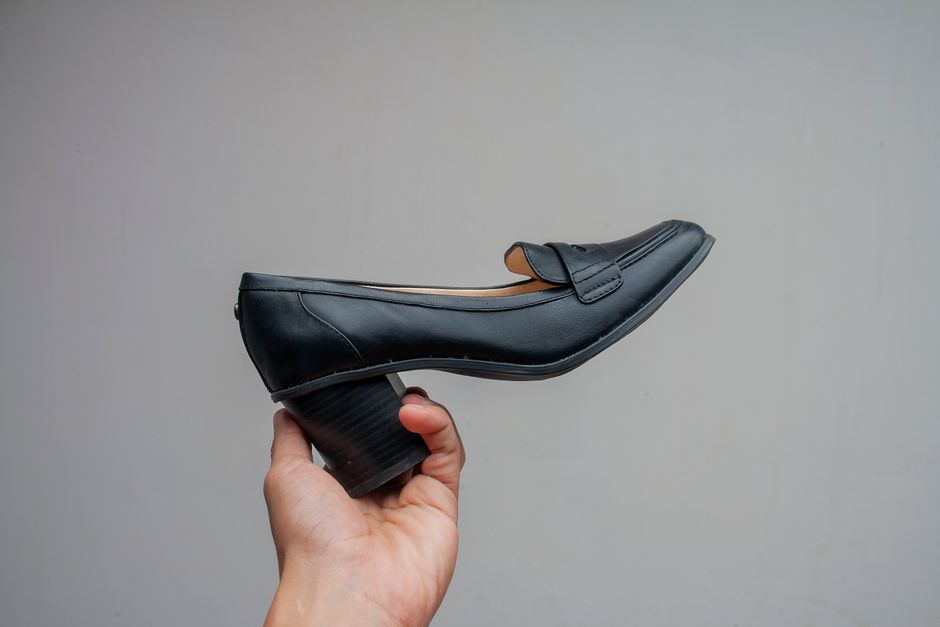
Most people buy the wrong heel for their foot type. Here’s what goes wrong and how to avoid it.
Mistake 1: Buying the wrong size. Your feet swell during the day. Try on heels in the afternoon when your feet are at their largest. Leave a thumb’s width of space between your longest toe and the shoe’s end. If your toes touch the front, you’ll have blisters by lunch.
Mistake 2: Ignoring your foot shape. If you have flat feet, a heel with built-in arch support (like Vionic) is non-negotiable. If you have high arches, you need extra cushioning in the forefoot. Cole Haan Zerogrand ($150) has Nike-derived cushioning technology — it’s designed for high-arched feet that need more shock absorption.
Mistake 3: Thinking expensive equals comfortable. A $400 designer heel can still wreck your feet if it has no arch support and a narrow toe box. Price doesn’t equal comfort. Brand reputation for comfort does. Rockport Total Motion ($120) costs less than most designer options but has genuine comfort technology — a flexible sole and shock-absorbing heel insert.
Mistake 4: Skipping the break-in period. Even comfortable heels need 4-6 hours of wear before they fully mold to your feet. Wear them around your house for an hour a day for three days before your first full workday.
When NOT to Buy Heels for the Office
Heels aren’t the right choice for every office situation. Here are three scenarios where you should choose something else.
If you walk more than 2 miles during your workday: A commute that involves walking from a parking garage, across campus, or between buildings adds up. At 2 miles of walking, even the best heels will cause fatigue. Switch to a comfortable block-heel loafer or a low wedge for those days. The Everlane Day Glove Loafer ($98) gives you a 1-inch heel with zero pain.
If you stand on concrete floors for 6+ hours: Retail, hospitality, and warehouse environments require shock absorption that heels can’t provide. A Dansko professional clog or Nike Air Max sneaker will protect your joints better than any heel.
If you have plantar fasciitis or bunions: Heels shorten your Achilles tendon and aggravate plantar fasciitis. Bunions get worse with narrow toe boxes. See a podiatrist first. Some patients can wear low heels with custom orthotics, but many can’t wear heels at all. Don’t risk permanent damage for fashion.
8 Office-Ready Heels That Pass the 8-Hour Test
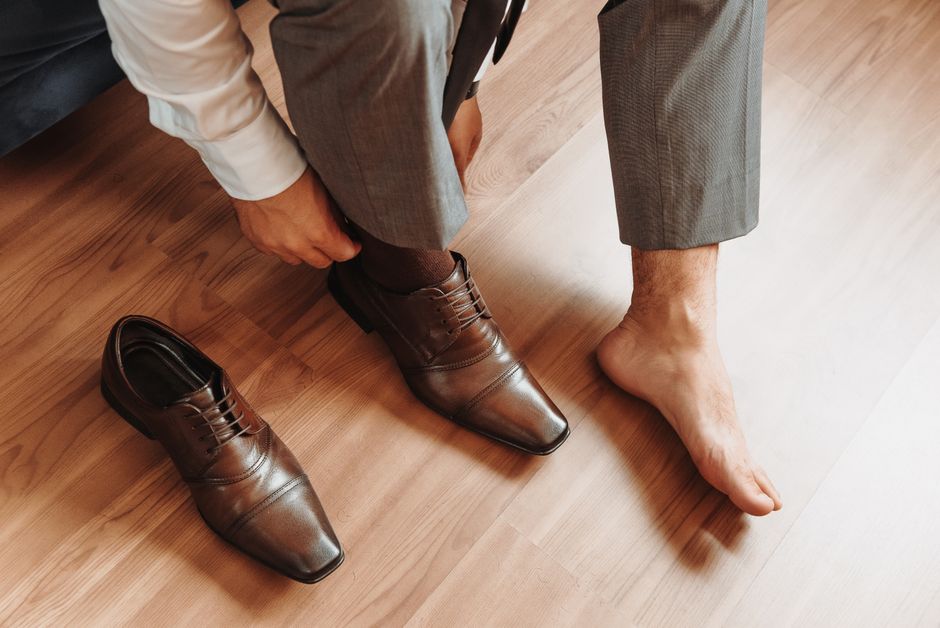
These eight heels have been tested by office workers who stand, walk, and sit for full shifts. Each one has specific comfort features that make it work.
| Brand & Model | Price | Heel Height | Key Comfort Feature | Best For |
|---|---|---|---|---|
| Clarks Enerwa Air | $110 | 2 inches | Hidden platform + Ortholite footbed | All-day standing |
| Naturalizer Banks | $99 | 2.25 inches | Poron cushioning + wide width option | Wide feet |
| Vionic Kimmie | $130 | 2 inches | Podiatrist-designed arch support | Flat feet |
| Cole Haan Zerogrand | $150 | 2 inches | Nike-derived cushioning | High arches |
| Aerosoles Stitch Right | $79 | 1.75 inches | Flexible sole + rounded toe | Budget-conscious buyers |
| Rockport Total Motion | $120 | 2 inches | Shock-absorbing heel insert | Long walking commutes |
| Sam Edelman Hazel | $100 | 2.5 inches | Rubber outsole + padded insole | Stylish but functional |
| Everlane The Day Heel | $115 | 2 inches | Italian leather + cushioned insole | Minimalist style |
My pick for most versatile: The Clarks Enerwa Air. The hidden platform makes a 2-inch heel feel like a 1.5-inch one. The Ortholite footbed doesn’t flatten out. It comes in three neutral colors that work with any office wardrobe. For $110, it’s the best value in this list.
My pick for problem feet: The Vionic Kimmie. If you’ve tried ten heels and all of them hurt, this is your last resort. The arch support is genuinely medical-grade. It’s not the prettiest heel, but it’s the only one that won’t leave you limping.
How to Test a Heel Before You Buy
You can’t trust a heel until you test it properly. Here’s the three-step method that works.
Step 1: The floor test. Take the heel off the shelf and bend it. A comfortable heel should flex at the ball of the foot, not in the middle. If the shoe bends in the arch area, the arch support is fake. Put it back.
Step 2: The walk test. Walk on a hard floor for at least 60 seconds. Not carpet — carpet hides everything. Listen for clicking (loose heel) and feel for slipping at the back. Your heel should stay locked in place with no gap.
Step 3: The standing test. Stand still for 30 seconds. Shift your weight from one foot to the other. If you feel pressure building in the ball of your foot within 30 seconds, it will be unbearable by hour three. Move on.
Buy from stores with a 30-day return policy. Zappos and Nordstrom both offer free returns on worn shoes. Wear them around your house for a week. If they hurt by day five, send them back.
Office Heel Care That Extends Comfort
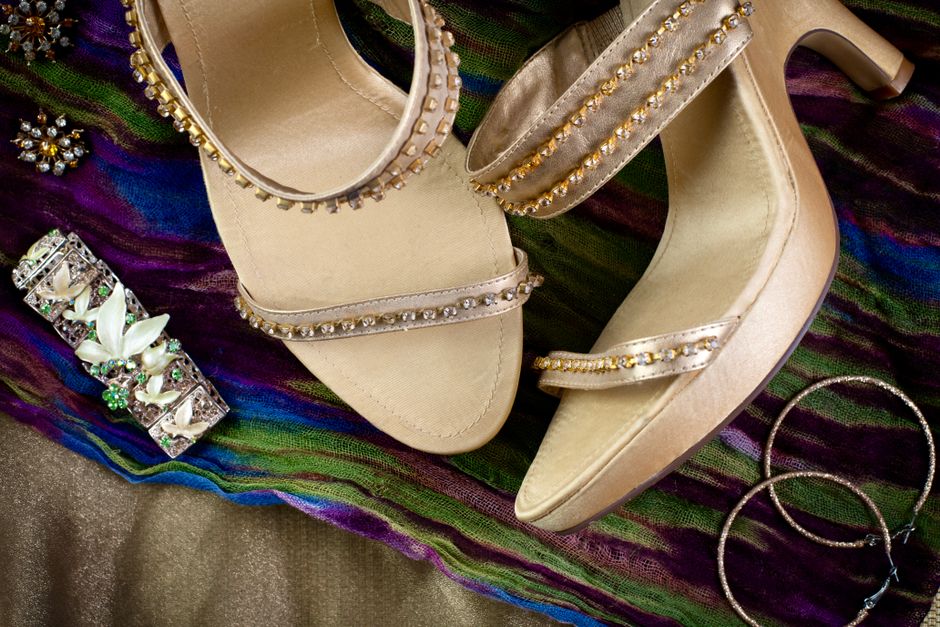
Even the best heel degrades without proper care. The cushioning compresses, the sole wears unevenly, and suddenly your comfortable heel isn’t comfortable anymore.
Rotate two pairs. Wearing the same heels five days a week compresses the cushioning permanently. Alternate between two pairs. The cushioning in each pair gets 48 hours to rebound. This doubles the life of your heels.
Replace insoles every 6 months. The built-in insole in most heels loses its bounce after 200-300 hours of wear. Swap them with Spenco Polysorb Cross Trainer insoles ($15). They’re thin enough to fit in heels but provide real cushioning.
Resole when the tread wears down. A smooth heel sole is a slippery heel sole. Take them to a cobbler for a rubber half-sole replacement ($20-30). This prevents slipping and adds shock absorption back to the shoe.
The future of office heels is already here. Brands like Vionic and Clarks are proving that comfort and style aren’t opposites. In five years, we’ll look back at painful heels the way we look back at corsets — as something we tolerated for far too long.