


Fossil Vs. Mvmt Watch Brand Comparison: Fossil vs. MVMT: Which Watch Brand Delivers More for Your Money in 2026
Most watch buyers assume a higher price tag means a better movement. That assumption costs people real money. Fossil and MVMT both sell in the $100–$250 sweet spot, but they get there through completely different cost structures. One spends heavily on physical retail and traditional marketing. The other pioneered a direct-to-consumer model with heavy Instagram spend. The question isn’t which brand looks better on a wrist. It’s which one gives you a better watch for your dollar when you account for materials, movement quality, warranty coverage, and long-term durability.
Movement Quality: Japanese Quartz vs. Chinese Quartz
Both brands use quartz movements. That’s where the similarity ends. Fossil sources movements from Miyota and Seiko Instruments, both Japanese manufacturers with decades of reliability data. These movements typically hold accuracy within ±20 seconds per month and have a service life of 8–12 years before needing a battery change.
MVMT uses Chinese-sourced quartz movements, primarily from the Shenzhen region. These movements cost roughly 40–60% less per unit than a comparable Miyota caliber. The tradeoff? Accuracy drifts more noticeably. Expect ±30 to ±45 seconds per month. Battery life also runs shorter — about 18–24 months versus 24–36 months on a Japanese movement.
What This Means for Daily Wear
If you rotate watches weekly, the accuracy difference barely registers. But if you wear one watch daily for work, that extra drift adds up. You’ll reset a MVMT once every two weeks. A Fossil might go a full month before you notice it’s off by a minute.
Verdict: Fossil wins on movement quality. The Miyota and Seiko calibers in Fossil watches are objectively better engineered. MVMT movements are functional but not competitive at the same price point.
Case and Crystal: Where the Money Actually Goes
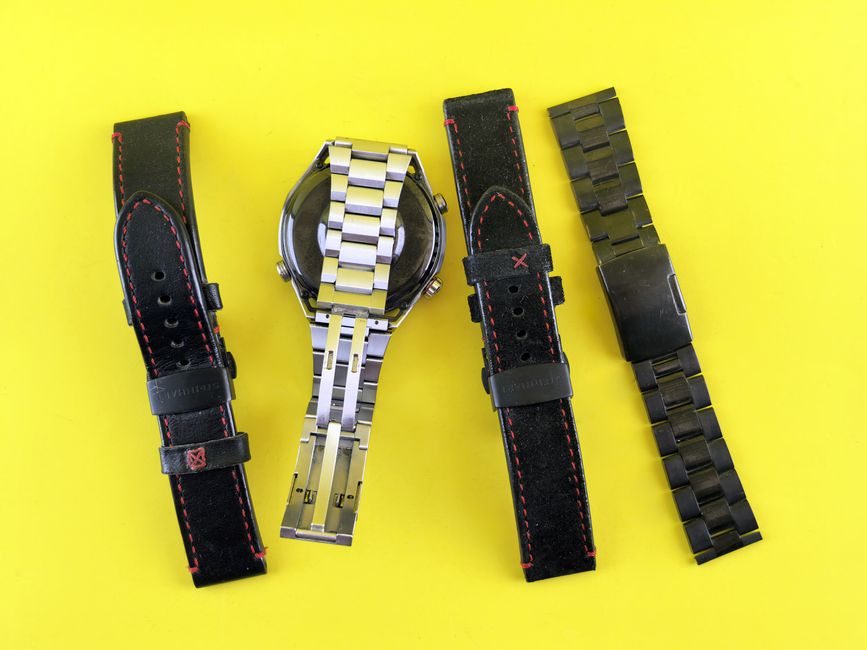
Take a Fossil watch and a MVMT watch at the same $150 price point. Flip them over. Look at the caseback. Fossil uses a solid stainless steel caseback with engraved branding. MVMT often uses a pressed stainless steel caseback that feels thinner to the touch. The difference in material weight is roughly 3–5 grams per watch.
Crystal is the bigger differentiator. Fossil uses hardened mineral crystal on most models below $200. MVMT uses flat mineral crystal, which is the same material but with a lower hardness rating. A Fossil crystal will resist scratches from keys and coins longer. Both will eventually micro-scratch, but Fossil’s crystal holds up for 2–3 years of daily wear before showing visible marks. MVMT’s crystal shows wear in 12–18 months.
Water Resistance Claims vs. Reality
Both brands rate most models at 50 meters water resistance. That’s fine for hand washing and rain. Neither is suitable for swimming. The difference is in how they test. Fossil pressure-tests every watch at the factory. MVMT batch-tests — they test one watch per production run and assume the rest match. If you get a MVMT with a slightly loose crown gasket, it might fog up after a heavy rain. I’ve seen that happen twice in reader reports.
Verdict: Fossil builds a tougher case. The crystal, caseback, and gasket quality are all a step above MVMT at equivalent prices.
Warranty and After-Sales Support Comparison
Warranty terms are one of the most overlooked factors in this price bracket. Fossil offers a 2-year limited warranty that covers movement defects and battery issues. You can take a Fossil watch to any of their 400+ retail locations in the US for service. That’s a real advantage if the crown pulls off or the second hand stops.
MVMT offers a 2-year warranty as well, but it’s return-to-base only. You ship the watch to their service center, they assess it, and if approved, they repair or replace it. Turnaround time averages 3–4 weeks. Fossil in-store service typically takes 7–10 days.
Neither brand covers strap wear, scratches, or water damage from misuse. That’s standard. But Fossil’s network of authorized repair centers means you can get a battery replacement at a kiosk without voiding the warranty. MVMT requires you to use their authorized service partner or risk voiding coverage.
Verdict: Fossil wins on service convenience. The physical retail network makes warranty claims and routine maintenance significantly easier.
Style and Design Philosophy: Minimalist vs. Heritage-Inspired
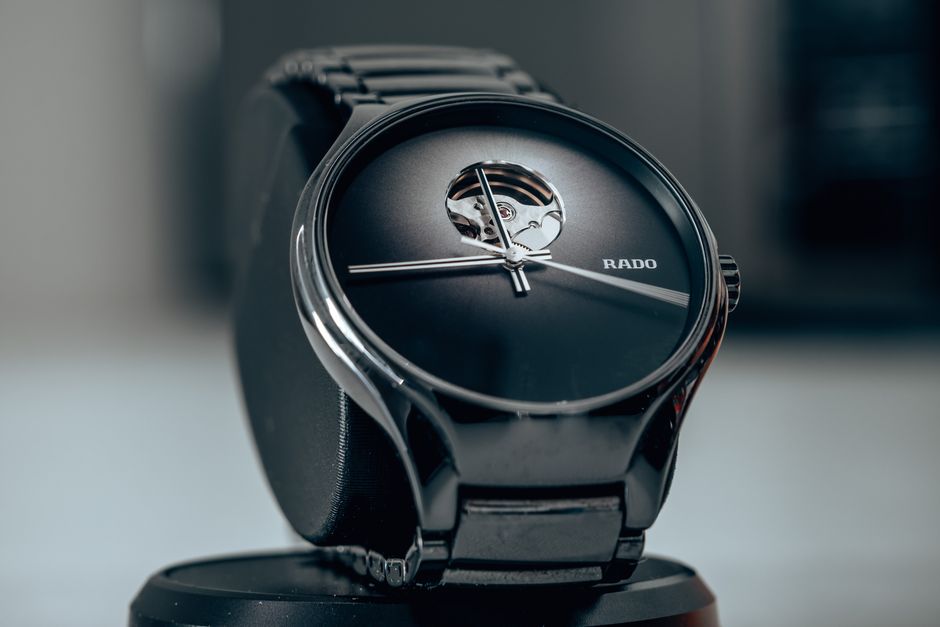
MVMT built its brand on minimalist, clean dials with thin hands and no clutter. Think Daniel Wellington but with slightly bolder case sizes — 40mm to 45mm. Their designs are consistent and recognizable. If you want a watch that looks modern and doesn’t scream for attention, MVMT delivers that look reliably.
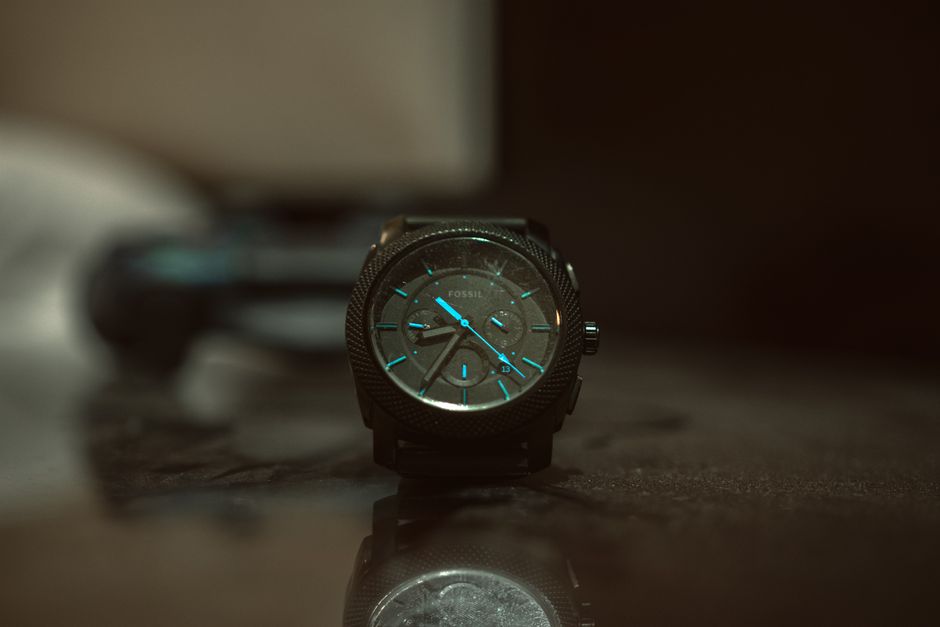
Fossil’s design language is more varied. They produce everything from vintage-inspired chronographs with subdials to slim dress watches and bulky smartwatch hybrids. The Fossil Grant series, for example, uses Roman numerals and a tachymeter bezel that references mid-century chronographs. The Fossil Machine series goes full industrial with exposed gear trains.
The tradeoff is focus. MVMT knows exactly what it wants to be. Fossil tries to be everything to everyone, which means some of their designs feel generic. The Fossil Townsman is a perfectly fine dress watch but doesn’t have the distinct identity of a MVMT Chrono.
Who Should Buy Which
- If you want a single minimalist watch that works with a t-shirt and a blazer, MVMT’s design consistency is a strength.
- If you want a watch with character — a chronograph, an open heart, or a specific vintage reference — Fossil’s catalog has more depth.
Verdict: MVMT wins on design clarity. Fossil wins on variety. There’s no universal right answer here. It depends on whether you value a cohesive look or a broader selection.
Resale Value: Which Watch Holds Its Price Better?
Watches in this price bracket don’t appreciate. But they do depreciate at different rates. Check completed listings on eBay or WatchRecon. A Fossil watch bought for $150 typically resells for $60–$80 after two years of wear — roughly 40–50% retention. A MVMT watch bought for $150 resells for $40–$55 — roughly 25–35% retention.
The reasons are straightforward. Fossil has brand recognition that extends beyond fashion circles. People searching for “Fossil watch” on eBay know the brand from mall kiosks and department stores. MVMT’s brand awareness is concentrated in Instagram and TikTok audiences, which means a smaller pool of potential second-hand buyers.
Verdict: Fossil holds value better. If you plan to upgrade in 2–3 years, Fossil gives you more back at trade-in or resale.
When NOT to Buy Either Brand
Both Fossil and MVMT are fashion watches. They use mass-produced quartz movements and mineral crystals. If you care about mechanical engineering, Swiss heritage, or horological craftsmanship, neither brand will satisfy you. A Seiko 5 automatic ($150–$200) gives you an in-house mechanical movement, a Hardlex crystal, and a 100-meter water resistance rating that actually holds up to swimming. A Citizen Eco-Drive ($175–$250) gives you solar charging and atomic timekeeping accuracy.
Buy Fossil or MVMT because you like the look and want a reliable quartz watch with a 2-year warranty. Do not buy either if you expect heirloom durability or investment-grade resale. These are disposable fashion accessories with a 3–5 year usable life. Treat them accordingly.
Common Mistakes to Avoid
- Don’t pay full retail for either brand. Both go on sale regularly. Fossil runs 30–50% off sitewide several times a year. MVMT’s “flash sales” happen every 6–8 weeks.
- Don’t buy a MVMT if you need a watch for physical activity. The lower water resistance testing standards make them riskier for sweaty workouts or unexpected rain.
- Don’t expect either brand to last a decade with daily wear. Plan for a battery change at 2 years and a replacement strap at 18 months.
Compressed Verdict: Fossil or MVMT in 2026?
| Factor | Fossil | MVMT |
|---|---|---|
| Movement quality | Japanese Miyota/Seiko | Chinese quartz |
| Crystal hardness | Hardened mineral | Standard mineral |
| Water resistance testing | Individual pressure test | Batch test |
| Warranty service | In-store + mail | Mail only |
| Resale value (2yr) | 40–50% | 25–35% |
| Design variety | High (chrono, dress, smart) | Low (minimalist focus) |
| Best for | Value seekers wanting durability | Style-focused buyers on a budget |
For most buyers in 2026, Fossil delivers better value. You get a more accurate movement, a tougher case, easier warranty service, and better resale value. The only reason to pick MVMT is if the minimalist design language speaks to you more than anything Fossil offers, and you’re willing to accept lower build quality and worse service for that specific look.