


Gym Outfit Aesthetic Men: What 12 Months of Gym Training Taught Me About Men’s Gym Outfit Aesthetic
I spent a year testing gym outfits. Not for fashion shoots — for actual training. Squats, deadlifts, runs, pull-ups, and the occasional ego-driven bicep curl. What I learned is that most men get the gym outfit aesthetic wrong because they treat it as either pure performance gear or pure streetwear. Neither works.
The real answer sits in the middle: clothes that move with your body, wick sweat, and don’t make you look like you’re about to run a Spartan Race at 6 AM. Here’s what I found after 12 months of trial, error, and laundry loads.
Why Most Men’s Gym Outfits Fail the Aesthetic Test
Three mistakes kill the gym outfit aesthetic before you even step onto the floor.
Mistake 1: Cotton Everything
Cotton absorbs sweat like a sponge. It gets heavy, clings to your skin, and turns translucent within 15 minutes of warm-up. A white cotton tee at the gym isn’t a style choice — it’s a wet t-shirt contest you didn’t sign up for. Polyester blends or nylon-spandex mixes wick moisture and keep their shape. A $35 Nike Dri-FIT tee outperforms a $50 cotton designer tee for gym use every time.
Mistake 2: Overly Baggy or Overly Tight
Baggy shorts from 2012 have no place in 2026. They catch on barbells, bunch up under a squat belt, and make your legs look shorter. On the other end, compression leggings worn as outerwear (without shorts) is a niche look that most commercial gyms aren’t ready for. The sweet spot: shorts with a 5-7 inch inseam that sit at mid-thigh, and tops that follow your torso without squeezing it.
Mistake 3: Logos as Personality
One small logo on the chest or leg is fine. A shirt plastered with “JUST DO IT” across the back, a giant Under Armour logo on the sleeve, and a headband with a brand name — that’s not an outfit, that’s a billboard. The best gym outfits use logos as accents, not the main event.
Verdict: A clean, solid-color set from Lululemon or Ten Thousand will always look better than a head-to-toe branded look from a discount sports store.
The Four Fabric Rules That Define Gym Outfit Aesthetic
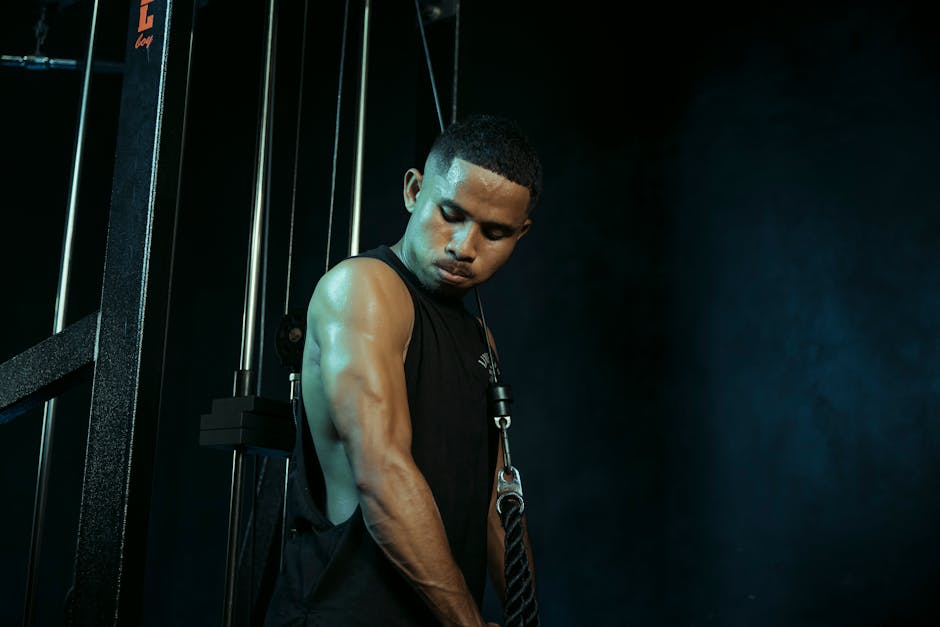
If you remember nothing else, remember these four fabric rules. They separate a considered outfit from a random pile of activewear.
| Fabric | Best Use | Why It Works | Price Range |
|---|---|---|---|
| Nylon-spandex blend | Shorts, joggers | Stretches 4-way, dries fast, resists pilling | $50–$90 |
| Polyester mesh | Tanks, tees | Maximum airflow, zero cling | $25–$45 |
| Merino wool blend | Base layers, long sleeves | Odor resistant, temperature regulating | $60–$120 |
| Cotton-poly blend | Hoodies, warm-ups | Soft feel with moisture management | $40–$80 |
Pure cotton has one place in a gym bag: the hoodie you wear to and from the gym. Take it off before you start sweating.
What about bamboo? Bamboo fabrics feel soft but they hold moisture almost as badly as cotton. Skip them for high-sweat sessions.
The Three-Outfit System for Every Training Day
You don’t need 20 gym outfits. You need three that cover every scenario. Here’s the system I settled on after trying about 40 different combinations.
Outfit 1: Heavy Lifting (Strength Focus)
For squat, deadlift, bench, and overhead press days. You need clothes that don’t restrict your range of motion and won’t rip under load.
Top: A racerback tank or a tight-fitting compression tee. The Nike Pro Dri-FIT Tank ($35) gives you full shoulder mobility without riding up. Bottom: Shorts with a 5-inch inseam and a drawstring waist — the Ten Thousand Interval Short ($68) is almost perfect here. It has a zippered pocket for your phone and the fabric doesn’t snag on knurling. Shoes: Flat-soled lifting shoes or minimalist trainers. The Reebok Nano X4 ($140) has a stable heel that keeps you grounded during heavy sets.
Outfit 2: Cardio and Conditioning
For runs, rowing, HIIT, and anything that makes you sweat buckets. Lightness and breathability are everything.
Top: A loose-fitting mesh tee. The Under Armour HeatGear Mesh Tee ($30) is thin enough that you feel a breeze through it. Bottom: 7-inch inseam shorts with a liner built in. The Lululemon Pace Breaker Short ($68) has a liner that eliminates the need for underwear and a waistband that stays put during sprints. Shoes: Lightweight running trainers. The Hoka Mach 6 ($150) is responsive without being overly cushioned.
Outfit 3: Active Recovery and Errands
For days when you’re doing light movement — walking, stretching, foam rolling — or heading to the gym straight from work.
Top: A relaxed-fit long-sleeve tee. The Vuori Strato Tech Tee ($58) is made from a eucalyptus-derived fabric that feels like cotton but dries in half the time. Bottom: Joggers with a tapered leg. The Gymshark Crest Joggers ($50) have a clean silhouette that works with sneakers or casual shoes. Shoes: A lifestyle trainer that can handle light gym work. The Nike Air Max 270 ($160) is comfortable for walking and looks intentional outside the gym.
Verdict: Build these three outfits first. Then experiment from there. Most men buy 10 mediocre pieces instead of 3 great ones.
How to Match Colors Without Looking Like a Traffic Cone
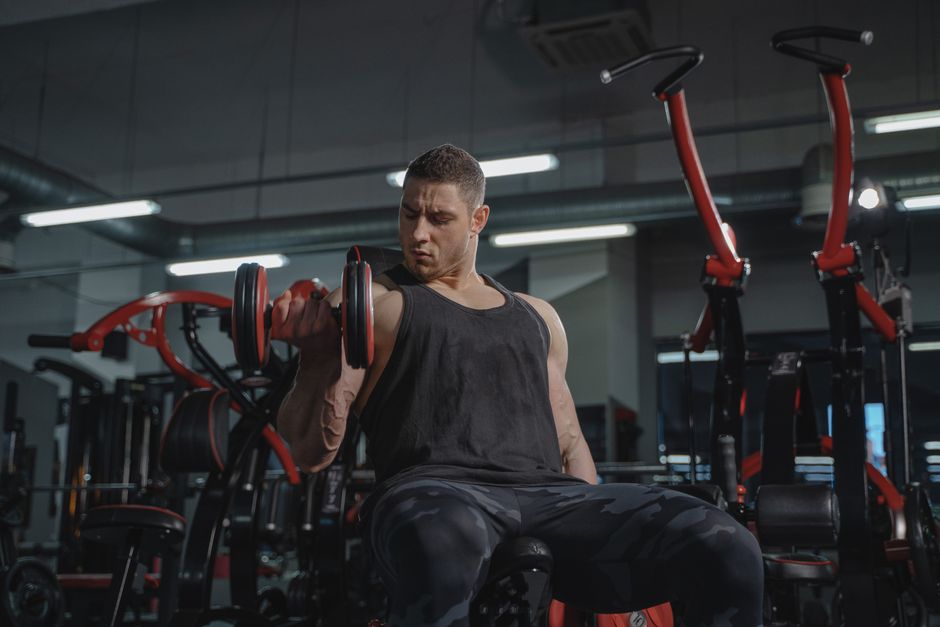
Color is where most gym outfits fall apart. Here’s a simple system that works.
Stick to a three-color palette: Choose one neutral base (black, charcoal, navy, or olive), one secondary neutral (white, heather grey, or cream), and one accent color (a muted version of something brighter — think burgundy instead of red, forest green instead of neon green).
Example: Black shorts + heather grey tank + burgundy sneakers. That’s a complete outfit that looks planned but not try-hard.
What to avoid:
- Mixing two bright colors (neon yellow top + neon orange shoes = highlighter chic)
- Wearing all black head to toe (it looks like you’re about to rob the gym, not train in it)
- Camo prints on more than one item (camo shorts + camo hoodie = lost in the jungle)
One rule that never fails: Match your shoes to your top or your shorts. Not both. A black shoe with a black tank and grey shorts works. A black shoe with a black tank and black shorts is too much.
When to Spend More and When to Save
Not every piece deserves a premium price tag. Here’s where your money actually matters.
Spend on shorts and shoes. These take the most abuse. A cheap pair of shorts will lose elasticity, develop holes, or fade after 20 washes. The Ten Thousand Interval Short ($68) and Lululemon Pace Breaker ($68) have lasted me over 200 sessions each with no visible wear. Cheap shoes ($40–$60) lack proper support and break down faster. Your knees and ankles will thank you for spending $100+ on trainers.
Save on t-shirts and tanks. A $15–$25 polyester tee from a basic brand like Hanes X-Temp or Fruit of the Loom Microfiber performs 90% as well as a $50 designer gym tee. The difference is in the cut and the logo. If you care about the fit, spend $30–$40 on a brand like Alo Yoga or Vuori — but don’t pay $80 for a plain white tank with a tiny logo on the hem.
Spend on outerwear if you live in a cold climate. A good gym hoodie is worth $80–$120. The Patagonia Better Sweater ($139) is warm, durable, and looks good off the gym floor. The Nike Therma-Fit Hoodie ($75) is a cheaper alternative that still performs well.
Verdict: You can build a complete gym outfit aesthetic for under $200 if you spend smart. Three outfits that cover everything: roughly $400–$600 total. That’s less than a single designer hoodie.
The Accessories That Elevate (or Ruin) a Gym Outfit
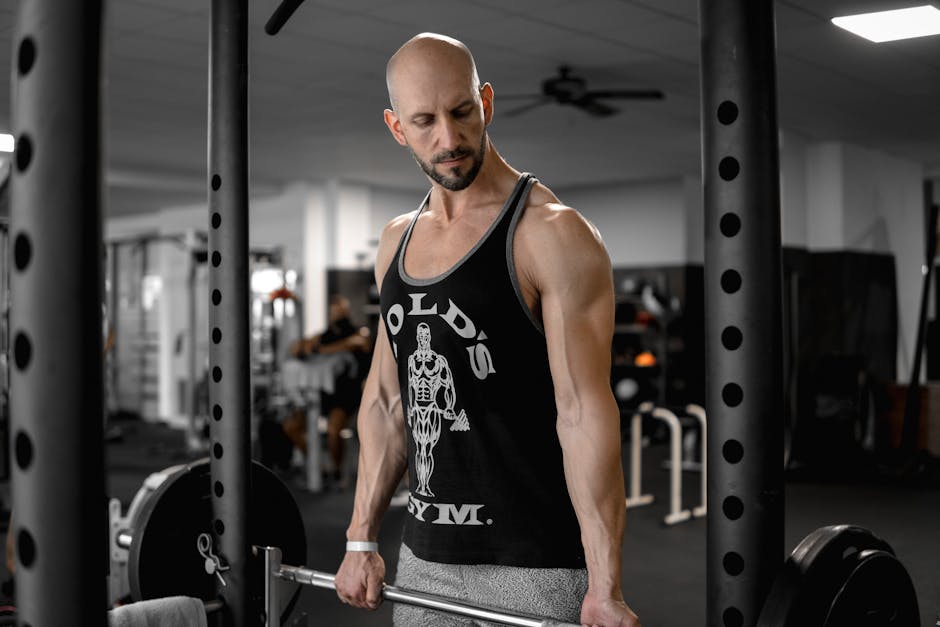
Accessories are the final layer of the gym outfit aesthetic. Most men either ignore them entirely or overdo them. Here’s the middle path.
Do wear:
- A simple digital watch or a fitness tracker. The Casio F91W ($15) is cheap, light, and does one thing well: tell time. The Garmin Forerunner 265 ($450) is the premium option if you track metrics seriously.
- A headband or sweatband if you sweat heavily. Stick to a solid color that matches your outfit. The Nike Dri-FIT Head Tie ($14) in black or white works with everything.
- A gym bag that fits your gear without looking like a duffel for a week-long trip. The Patagonia Black Hole Duffel 40L ($159) is durable, water-resistant, and compact enough for daily use.
Don’t wear:
- Gold chains or metal jewelry. They clank against barbells, get caught in cables, and look out of place in a training environment.
- Over-ear headphones during heavy lifts. They shift, fall off, and block out gym safety cues. In-ear wireless buds like the Jabra Elite 8 Active ($200) stay put and don’t interfere with your setup.
- Weightlifting belts unless you’re actually lifting near your max. Wearing a belt for curls or lat pulldowns is like wearing a helmet to walk to the mailbox.
Verdict: Two accessories max. A watch and a headband. That’s all you need.
One Final Thought on Gym Outfit Aesthetic
The gym outfit aesthetic isn’t about looking like a fitness influencer. It’s about wearing clothes that let you train hard without thinking about what you’re wearing. When your shorts don’t ride up, your shirt doesn’t stick to your chest, and your shoes don’t slip — you focus on the lift, not the outfit.
That’s the whole point. The aesthetic follows from function, not the other way around.