


Choosing a Chevy Blazer: Smart Buys, Years to Avoid
Don’t Assume Newer Blazers Are Always Better
Many buyers think the newest model is automatically the best, or that older models are only for collectors. This isn’t true for the Chevy Blazer. The nameplate has covered vastly different vehicles across decades. A 2020 Blazer has almost nothing in common with a 1985 K5 Blazer beyond the badge. Expecting modern comfort from a classic or rugged utility from a new one is a common pitfall. The name “Blazer” has, in fact, been applied to vehicles that are fundamentally different in their engineering, purpose, and target audience. Confusing a classic K5 with a modern crossover is like comparing a tractor to a sports car – both are vehicles, but that’s where the similarity ends. Ignoring these distinctions leads to buyer’s remorse, fast. You need to identify which Blazer you’re actually looking for before you even start comparing model years. Are you buying a utility vehicle for rough roads, a project for weekend tinkering, or a sleek, comfortable family hauler for daily commutes? Your answer dictates which generation to even consider. Your ideal year depends entirely on your intended use and priorities. If you need a capable off-roader, a recent model will disappoint. If you want a daily commuter with modern tech, an S-10 will feel ancient. Understanding the Blazer’s split identity is the first step.
Defining Blazer Generations
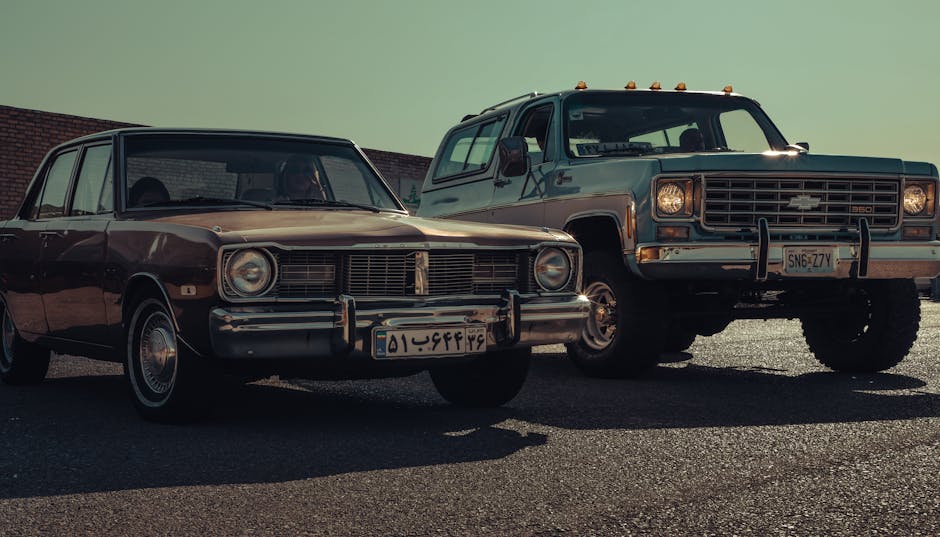
- Full-Size K5 Blazer (1969-1991): These are the original, rugged, full-frame SUVs. Think classic American iron, often with removable tops. Parts are generally plentiful, and they’re known for their off-road prowess and simple mechanics. Engine options typically included straight-sixes and V8s (305, 350 cubic inches).
- Compact/Mid-Size S-10 Blazer (1983-2005): A smaller, more car-like SUV (though still body-on-frame for most of its run). These offered better fuel economy and maneuverability than the K5, becoming popular family vehicles. Engine choices ranged from 4-cylinders to V6s (2.8L, 4.3L).
- Modern Crossover Blazer (2019-Present): A completely different vehicle. This is a unibody, front-wheel-drive (or optional AWD) crossover, sharing platforms with sedans like the Malibu. It prioritizes on-road comfort, technology, and styling. Engine options are 2.0L turbo-four, 2.5L four-cylinder, or a 3.6L V6.
Why This Matters for Your Purchase
Your “best” year depends on whether you seek utility, nostalgia, or daily-driver convenience. A 1988 K5 Blazer is a project vehicle for many, a capable trail rig for others. It is not a suburban grocery-getter in the same vein as a 2022 Blazer. A 1999 S-10 Blazer offers a utilitarian, affordable SUV experience, but lacks modern safety and infotainment. Don’t fall into the trap of thinking a “Blazer” is just one type of vehicle. Evaluate each era on its own merits and against your specific needs.
Essential Checks When Buying Any Used Blazer
Regardless of the year, a used Blazer requires careful inspection. Don’t skip these steps. This is where you save money later.
Inspect for Rust, Especially Frame and Body Mounts
- Tool: Small hammer or metal probe.
Rust is the primary killer of older Blazers. For K5 and S-10 models, check the frame rails thoroughly. Pay close attention to body mounts, fender wells, rocker panels, and floor pans. Rust here can be structural and expensive to repair. On modern Blazers, check wheel arches and door sills for early signs, though this is less common due to newer manufacturing processes. Use a flashlight and tap suspect areas. A healthy “thunk” is good; a dull “thud” or soft spot indicates trouble.
Evaluate Powertrain Health and Fluid Condition
- Tools: Flashlight, paper towel.
Start the engine cold. Listen for unusual noises: knocking, ticking, or excessive exhaust leaks. Check for leaks under the vehicle. For any year Blazer, pull the engine oil dipstick. The oil should be amber or light brown, not black and gritty. Check the transmission fluid (if applicable, most are automatic) – it should be red or pink, not brown or burnt-smelling. If it’s a 4×4, test the transfer case engagement. Ensure all gears shift smoothly, without harsh jerks or slips.
Test All Electrical Components and HVAC
- Tool: None, just your senses.
This is often overlooked. Power windows, door locks, radio, wipers, headlights, turn signals – test everything. On older models, wiring can become brittle or corroded. For the HVAC (heating, ventilation, and air conditioning), confirm both heat and cold air blow strongly from all vents. AC repairs can be costly, especially on older systems that might require conversion from R12 to R134a refrigerant.
Check Suspension and Steering Components
- Tool: Pry bar (for a professional inspection).
Look for uneven tire wear, which can indicate suspension issues. Drive the vehicle at various speeds. Does it pull to one side? Is the steering loose or vague? Listen for clunks or squeaks over bumps. Worn ball joints, tie rods, and bushings are common wear items, especially on older, heavier K5s or S-10s that have seen off-road use. Replacements are manageable but add up.
The Workhorse Years: Best Classic K5 and S-10 Blazers
If you’re after a true SUV experience – rugged, capable, and with a strong aftermarket – you’re looking at the older generations. My clear pick for a blend of classic appeal, utility, and parts availability is the late 1980s K5 Blazer, specifically models from 1987 to 1991. For the more practical, compact SUV, the 1998-2005 S-10 Blazer stands out.
Why the 1987-1991 K5 Blazer?
This era represents the final, most refined years of the full-size K5. By 1987, the K5 received throttle-body injection (TBI) for its V8 engines (typically the 5.7L 350 cubic inch), replacing carburetors. This significantly improved cold starts, fuel efficiency (marginally), and overall reliability compared to earlier carbureted models. Parts for the Small Block Chevy 350 are ubiquitous and affordable. These still retain the classic square-body looks, often with a removable hardtop. They are simple to work on, making them a fantastic platform for off-roading, restoration, or general utility. Look for models with the desirable 700R4 automatic transmission, known for its overdrive gear, which helps on highways.
Why the 1998-2005 S-10 Blazer?
The second-generation S-10 Blazer (post-1994 redesign) refined the compact SUV concept. Specifically, the 1998 facelift brought updated interior ergonomics, improved brakes (larger rotors), and more reliable electrical systems compared to earlier second-gen models. The dominant engine, the 4.3L V6 (Vortec 4300), is a durable workhorse, essentially a 350 V8 with two cylinders removed. It offers a good balance of power and decent fuel economy for its class. Parts are incredibly cheap and widely available. These are excellent choices for an affordable, utilitarian SUV that can handle light off-roading or serve as a robust daily driver, especially if you find a well-maintained 4×4 variant. They offer a good compromise between older K5 ruggedness and modern crossover comfort, leaning heavily towards ruggedness.
The Modern Era: Best Crossover Blazer for Daily Driving

Stepping into the 21st century, the Blazer name returned as a modern, unibody crossover. If your goal is a stylish, comfortable daily driver with contemporary features, you’re looking at the 2021-2023 Chevrolet Blazer. These years offer the best balance of updated tech, powertrain refinement, and feature sets within the current generation, avoiding some of the initial kinks of the 2019-2020 models.
What Makes the 2021-2023 Models Stand Out
By 2021, Chevrolet had refined the engine options. The 2.0L turbocharged 4-cylinder became a popular and efficient choice, offering 230 horsepower and 258 lb-ft of torque. It provides a good blend of power for daily driving and reasonable fuel economy (around 22 MPG city/29 MPG highway for FWD). The 3.6L V6 option (308 hp, 270 lb-ft) is available for those needing more towing capacity (up to 4,500 lbs) or stronger acceleration. Both are paired with a smooth 9-speed automatic transmission. Interior materials saw minor improvements and software updates smoothed out the infotainment system. Apple CarPlay and Android Auto became standard across most trims. Beyond the powertrain, these model years brought a more refined driving experience. The ride is smoother, handling is more car-like, and road noise is significantly reduced compared to its body-on-frame predecessors. The infotainment system, specifically the Chevrolet Infotainment 3 system, is intuitive and responsive, offering crisp graphics. Look for vehicles equipped with the larger 8-inch or optional 10.2-inch display. These Blazers also offer decent cargo space for a mid-size crossover, with 30.5 cubic feet behind the second row, expanding to 64.2 cubic feet with the seats folded flat. This makes them practical for families or individuals who need versatile storage without the bulk of a full-size SUV.
Recommended Trims and Features
For value, look for the 2LT or 3LT trims with the 2.0L turbo engine. These often include heated front seats, power liftgate, remote start, and an 8-inch touchscreen infotainment system. The 3LT adds more safety tech. If you need performance and styling, the RS trim with the 3.6L V6 is the one. It features unique styling elements, a sport-tuned suspension, and often comes with all-wheel drive. The Premier trim targets luxury, offering leather upholstery, ventilated front seats, and chrome accents. Always verify if the specific vehicle you’re looking at has the Advanced Driver Assistance Systems (ADAS) package you desire, as these were often optional. Prices for a well-maintained 2021-2023 Blazer 2LT can range from $25,000 to $35,000 depending on mileage and condition.
Years to Approach with Caution (and Why)
Not all Blazers are created equal. Some model years presented more persistent issues than others, making them less ideal choices for a reliable purchase. Avoid these if you want to minimize headaches.
Are pre-1987 K5 Blazers too old for a daily driver?
While iconic, K5 Blazers from before 1987 (especially those with carburetors) can be challenging for daily use. Their carbureted engines require more frequent tuning and are less forgiving in varying conditions. They also often lack modern amenities like air conditioning (or have very inefficient systems) and power accessories. Parts for some specific earlier components can be harder to source, and rust tends to be more prevalent due to sheer age. While the allure of an early-model K5 is strong, their age often means a substantial investment in repairs and upkeep. Components like vacuum lines, rubber seals, and wiring insulation are likely to be degraded. Rust can be far more pervasive. Finding an untouched, rust-free early K5 is rare. Expect to deal with carburetor tuning issues, especially if the vehicle sits for periods. These models generally require a deeper level of mechanical knowledge or a dedicated budget for professional restoration. They are best suited for enthusiasts or those planning a full rebuild, not for someone needing reliable daily transport.
What about the early 2000s S-10 Blazer models (2002-2005)?
While the 4.3L V6 engine itself is robust, the later S-10 Blazer years (particularly 2002-2005) saw increased reports of various electrical gremlins, often related to the instrument cluster, door lock actuators, and climate control. Fuel sender units were also a common failure point, leading to inaccurate fuel gauge readings. While many of these issues are fixable, they can accumulate and become frustrating, especially if you’re not mechanically inclined. The issues with the fuel sending units on these models are particularly annoying, often requiring removal of the fuel tank to replace. This is a labor-intensive job. Furthermore, the intake manifold gaskets on the 4.3L V6 engines in these years were known to fail, leading to coolant leaks and potential engine damage if not caught early. While the Vortec 4300 is a good engine, these specific failure points can be expensive to address. Always check for signs of coolant leaks around the front of the engine block during inspection. The interiors also started showing their age significantly, with plastics becoming brittle and prone to cracking. Consider these years only if you find one with meticulous service records and a price that reflects potential future repairs.
Should I avoid the first-year modern Blazer (2019)?
As with many completely redesigned vehicles, the 2019 Chevrolet Blazer suffered from some first-year teething issues. Common complaints included infotainment system glitches, inconsistent build quality in certain interior areas, and some buyers found the initial 2.5L 4-cylinder engine to be underpowered for the vehicle’s size. While many of these were minor, buying a second or third production year (like the 2021-2023 models recommended earlier) generally allows manufacturers to iron out these initial defects, leading to a more refined and reliable product. Skip the 2019 unless the price is exceptionally low and you’re prepared for potential early-production quirks.
Understanding True Cost of Blazer Ownership

Buying a Blazer is just the first step. Knowing the ongoing costs will prevent surprises. Older Blazers save on purchase price but hit you with maintenance and fuel. Newer ones cost more upfront but offer better efficiency and lower immediate repair needs.
Fuel Economy Considerations
- K5 Blazer (V8): Expect 10-15 MPG. These are thirsty machines, especially with older carburetors or larger tires. Factor in significantly higher fuel bills.
- S-10 Blazer (4.3L V6): Typically 16-20 MPG. Better than the K5, but still far from modern crossover efficiency.
- Modern Blazer (2.0T/3.6L V6): 22-29 MPG for the 2.0T, 19-27 MPG for the 3.6L V6. Significantly better, aligning with contemporary crossover standards.
Maintenance and Parts Availability
- K5 Blazer: Parts for the engine and drivetrain (Small Block Chevy) are abundant and cheap. Body and interior parts can be harder to find and more expensive, often requiring specialist suppliers. Labor costs for restoration can be high.
- S-10 Blazer: Excellent parts availability and low cost for most mechanical and body components. Many repairs are DIY-friendly, keeping labor costs down.
- Modern Blazer: Standard GM parts, readily available through dealerships and aftermarket. Repairs might require specialized diagnostic tools, leading to higher labor rates at independent shops or dealerships.
Insurance and Registration
- Older Blazers (K5, S-10): Generally lower insurance premiums due to lower value, but specific classic car insurance might be needed for very clean K5s. Registration costs are typically lower in states that base it on vehicle value.
- Modern Blazer: Higher insurance premiums reflecting the higher replacement cost and more advanced (and expensive to repair) technology. Registration costs will be higher for newer, more valuable vehicles.
Blazer Generations: A Quick Comparison
To help visualize the differences between the various Blazer generations, consult this summary table. It condenses the key characteristics to help you quickly identify which era aligns best with your needs and budget.
| Feature | K5 Blazer (1987-1991) | S-10 Blazer (1998-2005) | Modern Blazer (2021-2023) |
|---|---|---|---|
| Vehicle Type | Full-size SUV | Mid-size SUV | Mid-size Crossover SUV |
| Chassis Type | Body-on-frame | Body-on-frame | Unibody |
| Primary Use Case | Off-road, utility, classic project, nostalgia | Affordable utility, light off-road, robust daily driver | On-road daily driver, family vehicle, style |
| Engine Options | 5.7L V8 (TBI) | 4.3L V6 (Vortec) | 2.0L Turbo I4, 3.6L V6 |
| Fuel Economy (Avg.) | 10-15 MPG | 16-20 MPG | 19-29 MPG |
| Modern Tech/Safety | Minimal to none | Basic (ABS, air bags) | Advanced infotainment, driver aids (optional) |
| Typical Price Range (Used) | $10,000 – $40,000+ (condition dependent) | $3,000 – $10,000 | $25,000 – $40,000 |
| Key Benefit | Ruggedness, timeless style, simple mechanics | Affordability, reliability, practical size | Comfort, technology, modern safety, styling |
| Key Drawback | High fuel, maintenance for older parts, age | Outdated interior, some electrical quirks in later years | Higher upfront cost, less off-road capable, not a “true” SUV” |