
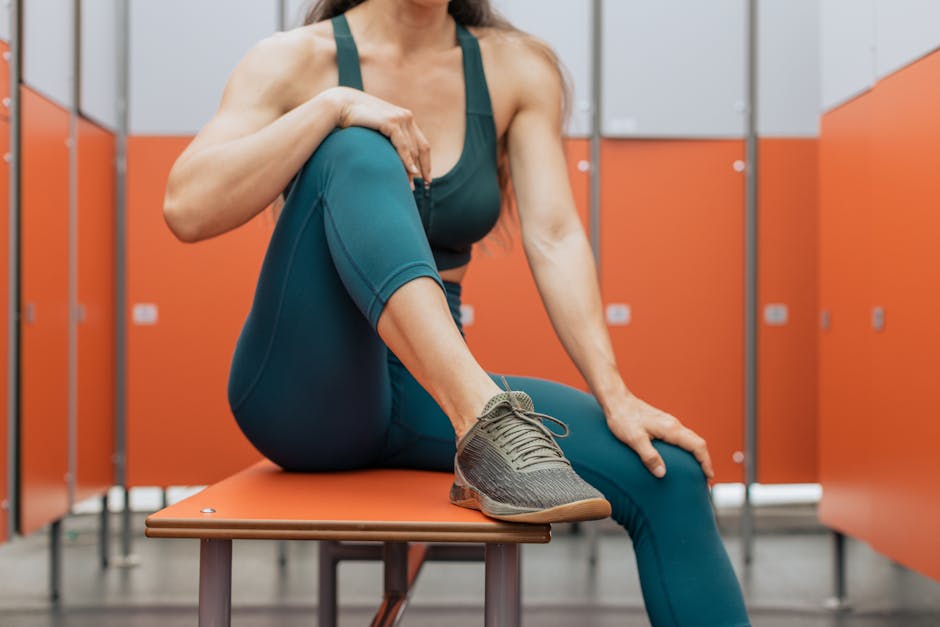

Gym Leggings UK: Buying Your Ideal Fit
Choosing the right gym leggings in the UK means focusing on three things: how they feel, how they perform, and how long they last. Don’t just grab the cheapest pair. Invest in leggings that support your workouts and offer genuine value. For most high-intensity training, you need a high-waisted, sweat-wicking, and crucially, squat-proof fabric. This guide breaks down exactly what to look for and which specific products deliver.
What to Prioritise in Gym Leggings
When you’re looking for new gym leggings, it’s easy to get overwhelmed by the sheer number of options. Forget the marketing hype for a moment. Instead, think about your specific needs. Are you lifting heavy, running miles, or flowing through a yoga sequence? Your activity dictates the key features to prioritise.
Fabric Composition: Sweat-Wicking and Stretch
The material blend is arguably the most important factor. Look for fabrics that combine polyester, nylon, and elastane (also known as Spandex or Lycra). Polyester and nylon are excellent for wicking away sweat, keeping you dry and comfortable. They also offer durability and shape retention. Elastane provides the necessary stretch and recovery, ensuring your leggings move with you without bagging or losing their form. A good ratio might be 70-80% polyester/nylon with 20-30% elastane. For example, Lululemon’s Luon fabric (87% Nylon, 13% Lycra elastane) is known for its softness and four-way stretch, ideal for yoga. For higher intensity, Nike’s Dri-FIT technology uses a blend that actively pulls sweat from your skin to the fabric’s surface, where it evaporates.
Waistband Design: Stay-Put Comfort
A well-designed waistband prevents constant tugging and readjusting. Opt for a high-waisted style. These offer better coverage and support, particularly during bending, squatting, and core work. Look for a wide, flat waistband (typically 8-12cm deep) that doesn’t dig in. Some brands incorporate an internal drawcord for extra security, which is particularly useful for running. Seamless waistbands reduce chafing. For example, Gymshark’s Vital Seamless leggings feature a ribbed, high-waisted band that stays put through dynamic movements without feeling restrictive.
Seam Placement and Construction: Preventing Chafing
Poorly placed seams cause chafing, especially during repetitive movements like running or cycling. Flatlock seams are your best friend here. These seams are sewn flat against the fabric, reducing bulk and irritation. Pay attention to the crotch area; a gusseted crotch (a diamond-shaped piece of fabric sewn into the inseam) provides greater flexibility and comfort, preventing “camel toe” and offering more durability in a high-stress area. Check the inner thigh seams – they should be smooth and unobtrusive.
Best Compression Leggings for High-Impact
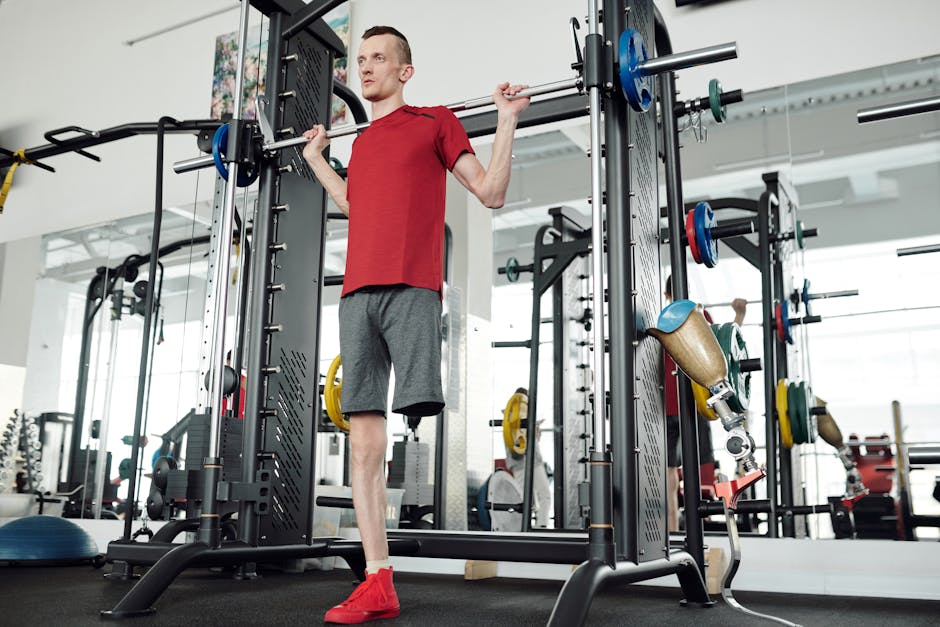
For high-impact activities like running, HIIT, or intense gym sessions, compression leggings are essential. They aren’t just about looking sleek; they provide functional benefits that can enhance performance and aid recovery. True compression garments apply targeted pressure to your muscles, which is believed to improve blood circulation, reduce muscle oscillation (vibration), and potentially decrease post-workout soreness. This means you feel more supported, your muscles work more efficiently, and you might experience less fatigue during and after your session. The key is finding leggings that offer firm, consistent pressure without restricting movement or feeling uncomfortable. They should feel like a second skin, snug but not suffocating.
Under Armour UA RUSH No-Slip Waistband Ankle Leggings (£60)
These leggings are a solid choice for serious training. Under Armour’s UA RUSH technology actually reflects your body’s energy back to your muscles, aiming to improve endurance. The fabric blend is tight but flexible, offering excellent muscle support. The “No-Slip Waistband” lives up to its name, staying firmly in place through burpees and sprints. They feature a generous amount of elastane for stretch and recovery, and flatlock seams prevent chafing during long workouts. The material feels robust and durable, holding its shape even after multiple washes and intense use. These are designed for performance first, making them ideal for anyone pushing their limits.
Nike Pro 365 Leggings (£35)
The Nike Pro 365 line offers reliable compression at a more accessible price point. Constructed with at least 50% recycled polyester fibres, these leggings utilise Nike’s signature Dri-FIT technology to move sweat away from your skin. The wide, smooth waistband provides solid core support without digging in. While not as overtly "compressive" as some higher-end options, they offer enough firm support for most high-impact activities, feeling secure and supportive. They come in various lengths and are a staple for many athletes due to their consistent performance and comfort. They are a fantastic entry point into effective compression without breaking the bank.
Gymshark Adapt Seamless Leggings (£50)
Gymshark’s Adapt Seamless leggings provide a blend of style and functional compression. The seamless knit construction reduces irritation, while the ribbed waistband and glute contouring offer both support and a flattering fit. The compression in these leggings is moderate but effective, making them suitable for lifting, HIIT, and dynamic movements. The fabric is thick enough to be completely squat-proof and durable. Users consistently report how well these hold up to intense training sessions and frequent washing, maintaining their shape and supportive feel. They are a versatile option for those who want performance and a modern aesthetic.
Finding Squat-Proof Leggings
Nobody wants to worry about transparent leggings during squats or lunges. Squat-proof isn’t just a buzzword; it’s a critical feature. Here’s how to guarantee your leggings pass the test:
-
The “Stretch Test” in Store
Before buying, physically stretch the fabric over your hand. If you can see your skin or a pattern underneath clearly, it will likely be see-through when stretched over your glutes. The fabric should remain opaque even when fully taut. This applies especially to the bum and thigh areas. Aim for a dense knit, not a thin, loose weave.
-
Check the Denier (Thickness)
While not always listed, thicker fabrics generally offer more opacity. Look for leggings with a substantial feel. Seamless leggings often use a denser knit in key areas to ensure coverage. The material should have some weight to it, indicating a higher denier count. Avoid anything that feels flimsy or overly lightweight if squat-proof is your priority.
-
Dark Colours and Prints
Darker colours – black, navy, charcoal – are inherently more opaque than lighter shades. They mask transparency better, even if the fabric is slightly thinner. Busy patterns can also help disguise minor sheerness, but they don’t solve a fundamentally transparent fabric problem. If you’re unsure, always default to a darker colour.
-
Read Reviews for “Squat-Proof” Mentions
Online reviews are invaluable. Search for terms like “squat-proof,” “opaque,” or “see-through” within customer feedback. Real-world experiences from people with similar body types and workout routines will give you the most accurate assessment. Many brands actively promote this feature, but customer reviews provide the unbiased truth.
-
Consider Lining or Double-Layered Panels
Some premium leggings feature double-layered fabric in critical areas like the glutes or thighs, specifically to combat transparency. While this might add a little warmth, it guarantees opacity. This is a common feature in high-end leggings designed for serious training.
Budget-Friendly Options Under £40

You don’t need to spend a fortune to get quality gym leggings. There are excellent options available in the UK that deliver on performance without the premium price tag. The trick is to know what compromises you might be making (e.g., less advanced moisture-wicking, simpler design) and which core features are non-negotiable (e.g., squat-proof, comfort).
| Brand/Model | Price (Approx. GBP) | Key Feature | Best For |
|---|---|---|---|
| Decathlon Domyos High-Waisted Fitness Leggings | £12.99 | Excellent value, basic comfort | Light workouts, casual wear |
| Primark PS… Active Seamless Leggings | £10 – £14 | Seamless comfort, good stretch | Studio workouts, everyday gym |
| H&M Seamless Sports Tights | £24.99 | Sustainable materials (partially), strong fashion element | Yoga, Pilates, light cardio |
| Myprotein Power Mesh Leggings | £28 – £35 (often on sale) | Breathable mesh panels, good compression | Weightlifting, HIIT |
| ASOS 4505 Icon Leggings | £20 – £30 | Wide range of styles, reliable fit | General gym, diverse activities |
The Decathlon Domyos leggings consistently rank highly for their incredible price-to-performance ratio. While basic in design, they offer solid opacity and comfort for most gym-goers. Primark and H&M are good for trendy, comfortable options that work well for lower-intensity activities and general wear. For something more performance-oriented within this budget, Myprotein’s offerings are often on sale and provide better technical features like mesh panels and good compression. ASOS 4505 is a reliable choice for a mix of style and function, with frequent new drops and sales.
Care Tips: Extending Legging Life
How do I prevent pilling on my leggings?
Pilling – those tiny fabric balls – occurs when short fibres break and tangle. To prevent it, always wash your leggings inside out. This reduces friction on the outer surface. Use a gentle cycle with cold water and mild detergent. Crucially, avoid washing them with rough items like towels or denim, as their abrasive textures accelerate pilling. Using a mesh laundry bag can also provide a protective barrier.
What’s the best way to wash gym leggings without damaging them?
Machine wash on a cold, delicate cycle. Hot water can break down the elastane fibres that give your leggings their stretch and shape retention, leading to sagging and reduced compression over time. Use a small amount of liquid detergent – avoid harsh powders. Skip fabric softener entirely, as it can clog the technical fibres, reducing their sweat-wicking properties and trapping odour. A natural alternative like white vinegar (a quarter cup) in the rinse cycle can help remove residual detergent and odours without damaging the fabric.
Should I tumble dry my gym leggings?
Absolutely not. The high heat from tumble drying is the fastest way to ruin the elastic fibres in your leggings, causing them to lose their shape, compression, and overall integrity. Always air dry your gym leggings. Lay them flat on a drying rack or hang them up, away from direct sunlight or heat. This preserves the fabric’s elasticity and extends the life of your garment significantly.
The Best Leggings for Yoga & Pilates
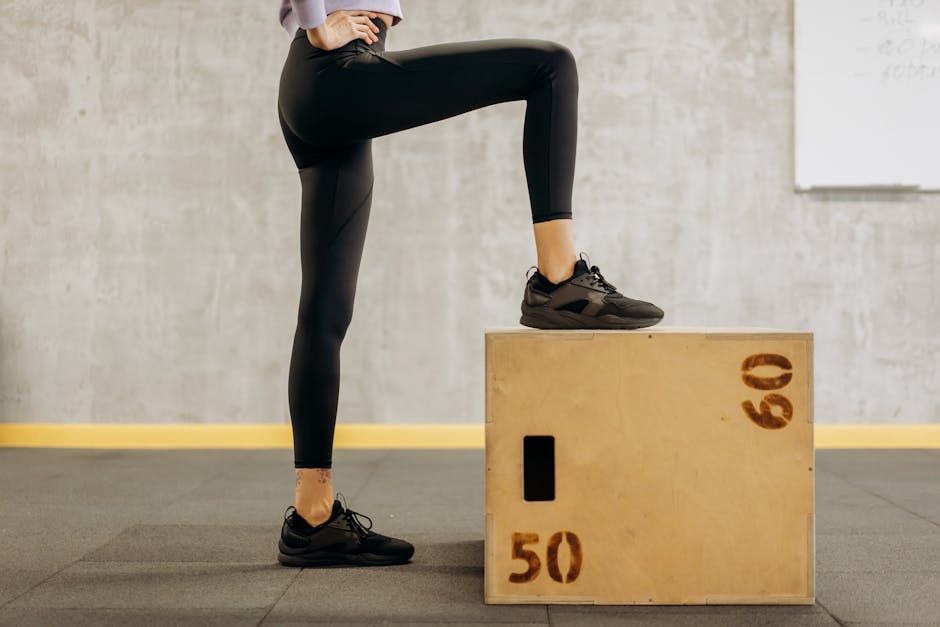
For yoga and Pilates, the priority shifts from high compression to unparalleled comfort and maximum flexibility. You need leggings that move effortlessly through every pose, feeling like a second skin without any restriction. Softness is key here, alongside a fabric that allows for a full range of motion. The focus is on seamless transitions and comfort during static holds and dynamic flows.
Future Trends in Activewear Fabrics
The activewear landscape is always evolving, and the future of gym leggings is pointing towards even greater innovation in materials and sustainability. We’re moving beyond just "sweat-wicking" to fabrics that actively enhance comfort, performance, and environmental responsibility. Expect to see more smart textiles integrated into leggings, offering features that directly respond to your body’s needs. This means clothing that works harder for you and for the planet.
Bio-Based and Recycled Materials
The push for sustainability is accelerating. Brands are increasingly investing in leggings made from recycled plastics (like recycled nylon and polyester) and innovative bio-based materials derived from sources like algae, corn, or even castor beans. These materials aim to reduce reliance on virgin fossil fuels and lower the carbon footprint of production. We’ll see more “closed-loop” systems where old garments are recycled into new ones, creating a circular economy for activewear. For example, some brands are now using ECONYL regenerated nylon, made from waste materials such as fishing nets and fabric scraps, offering the same performance as virgin nylon.
Advanced Temperature Regulation
Beyond basic sweat-wicking, the next generation of leggings will feature more sophisticated temperature regulation. This includes fabrics with phase-change materials that absorb, store, and release heat to keep your body at an optimal temperature, regardless of external conditions. Imagine leggings that can actively cool you down during an intense workout or provide warmth during a chilly outdoor run. Expect “smart fibres” that adapt to your body’s microclimate, reducing the need for multiple layers and enhancing overall comfort.
Seamless and Adaptive Compression
Seamless technology is already popular, but it will become even more refined. Future leggings will likely feature “body-mapped” compression – areas of higher or lower compression seamlessly integrated into the fabric, precisely targeting different muscle groups for optimal support and blood flow without any restrictive seams. This means improved fit, better muscle recovery, and enhanced athletic performance, all within a single garment that feels custom-made for your body. The goal is to provide benefits like increased proprioception (awareness of your body in space) and reduced muscle fatigue through intelligent fabric design.