


Plus-Size Jeans Fit Guide: Plus-Size Jeans That Actually Fit: A No-Nonsense Guide for 2026
Here’s the truth most stores won’t tell you: the number on the tag means almost nothing. A size 18 from one brand fits like a 14 from another. Plus-size jeans aren’t just scaled-up straight sizes. The proportions are different — wider hips, fuller thighs, a shorter rise-to-waist ratio. If you’ve been squeezing into jeans that gap at the back or pinch at the crotch, stop. This guide is about finding the cut that matches your actual shape, not the other way around.
Stop Buying Jeans by the Waistband Number
Waist measurement alone is a trap. Two people with a 38-inch waist can have completely different hip widths and thigh circumferences. The result? A pair that fits at the waist may be painted on your thighs, or baggy everywhere else.
Measure the Three Critical Points
Before you click “add to cart,” grab a soft tape measure. You need three numbers:
- Waist: at the narrowest part of your torso, usually an inch above your belly button.
- Hips: at the widest part, about 7-9 inches below your waist.
- Thigh: at the fullest part, right below the crotch seam.
Compare these against the brand’s size chart. If the chart only shows waist and hip, skip it. A brand that hides thigh measurements likely hasn’t designed for your body.
Stretch Percentage Matters More Than Cotton Count
Most plus-size denim uses elastane or spandex. But 2% vs. 5% stretch changes everything. Good American uses a 4-way stretch fabric that recovers its shape — meaning it won’t sag after three wears. Universal Standard uses a rigid denim with 1% elastane that holds its structure but requires a precise fit. Know which you prefer before you buy.
The Three Cuts That Work for Most Curvy Bodies
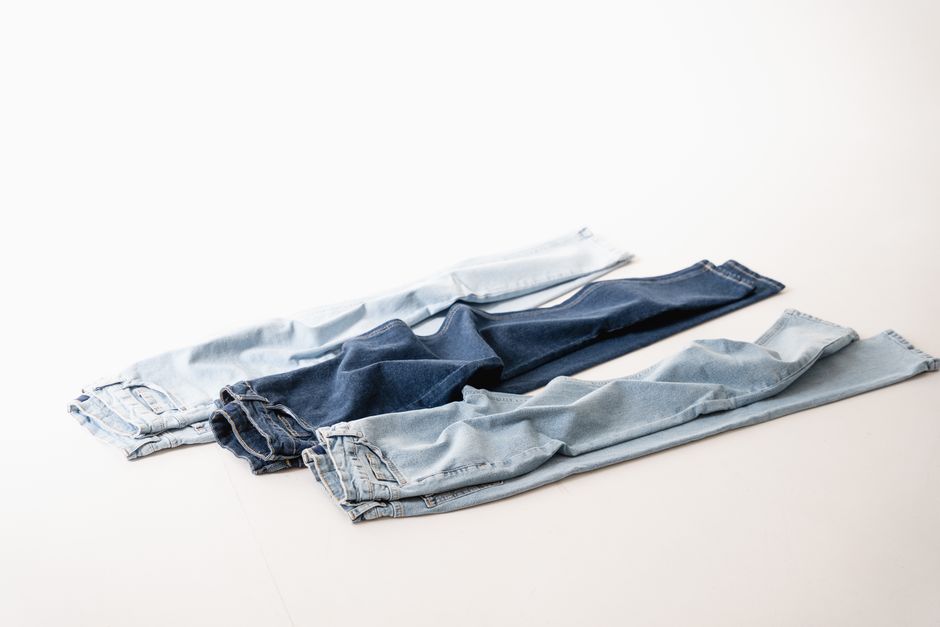
Forget trends. These three cuts solve the most common fit problems for plus-size women. Pick one based on your priority.
| Cut | Best For | Key Spec | Example Brand |
|---|---|---|---|
| High-rise straight leg | Hiding a tummy, balancing wide hips | 11-12 inch rise | Levi’s Plus Size 721 High Rise Skinny (actually straight-ish) |
| Wide-leg or trouser jean | Creating a long leg line, comfort | 22-24 inch leg opening | Universal Standard Seine Jeans ($98, 10.5 oz denim) |
| Bootcut with a mid-rise | Balancing a heavy bottom, wearing with heels | 10 inch rise, 19 inch leg opening | Torrid Bombshell Bootcut Jean (extra stretch, 27 inch inseam options) |
The high-rise straight leg is the safest bet for 2026. It works with sneakers, ankle boots, and loafers. It doesn’t cling to the widest part of your thigh. And it covers the lower belly without digging in.
Why Low-Rise Jeans Are a Bad Bet for Most Plus-Size Bodies
I’m going to say it plainly: low-rise jeans (rises under 9 inches) create a pressure point right at the widest part of your belly. Unless you have a very short torso and minimal belly pooch, they will roll down, pinch, and leave a red mark. They also expose the lower back when you sit. That’s not a look — it’s a design flaw for anyone with a curvy midsection.
Stick to a rise of 10 inches or more. Madewell makes a Curvy Perfect Vintage Jean with an 11-inch rise that doesn’t gap at the back. Torrid offers a “high-waisted” category with rises up to 12.5 inches. If a brand doesn’t list the rise measurement, email them. If they can’t tell you, don’t buy.
Four Failures That Kill a Pair of Jeans

These are the mistakes that turn a $100 pair of jeans into a closet orphan.
- The waistband gap: If you can fit more than two fingers between the waistband and your lower back, the jeans are cut for a straighter figure. Look for a “curvy fit” label that adds extra room in the hip and thigh while keeping the waist smaller.
- The crotch sag: When the crotch seam hangs an inch below your actual crotch, the rise is too long. This happens with “one size fits all” plus cuts. Try a mid-rise instead of high-rise.
- The thigh squeeze: If you see horizontal lines across your thighs when standing, the jeans are too tight. Size up for the thigh, then take the waist in at a tailor. It costs $15.
- The ankle flood: If the hem hits three inches above your ankle bone, the inseam is too short. Many plus-size lines cap inseams at 28 inches. Look for brands offering 30 or 32 inch inseams — Universal Standard and Good American both do.
When Not to Buy Jeans — and What to Buy Instead
Sometimes jeans aren’t the answer. If you have a very short torso (under 7 inches from waist to crotch), high-rise jeans will bunch up at your natural waist and create a muffin top. In that case, skip denim entirely and buy ponte knit pants from Universal Standard or wide-leg trousers from Eloquii. They sit at the natural waist without the bulk.
If you carry most of your weight in your belly with slimmer hips and thighs, jeans with a lot of stretch (5% elastane) will sag at the knees and lose shape by lunch. Instead, look for structured cotton twill pants from Lands’ End or denim with a high cotton content (98% cotton, 2% elastane) from Levi’s Plus. They hold their shape longer and don’t bag out.
The Only Three Picks Worth Your Money Right Now
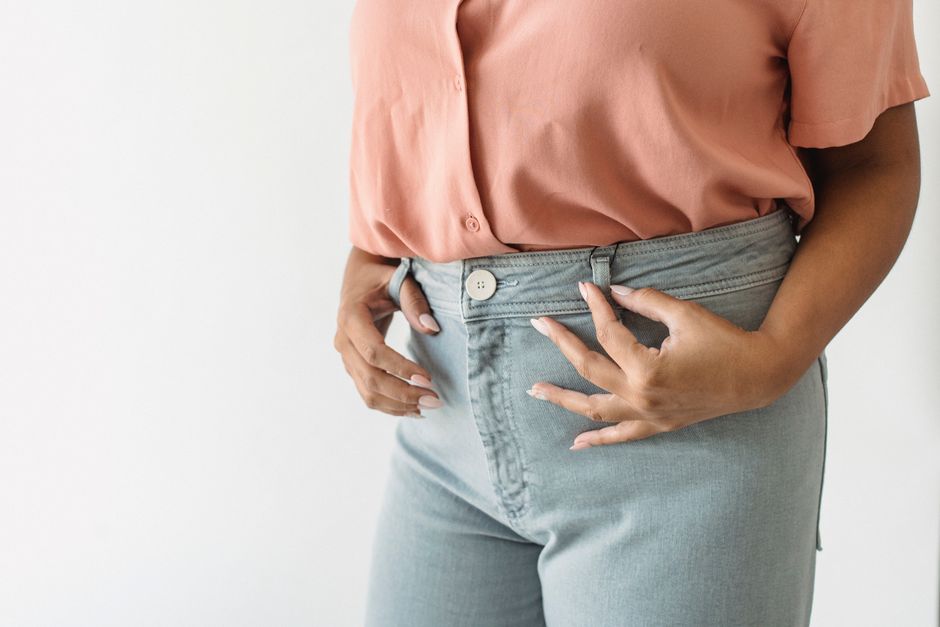
After testing and fitting dozens of pairs, these three stand out for 2026.
Universal Standard Seine Jeans ($98) — The best all-arounder. 10.5 oz denim, 4-way stretch, 30-inch inseam. The rise sits at 11.5 inches. They come in sizes 00-40. They don’t gap. They don’t sag. If you can only buy one pair, buy these.
Good American Always Fits Jean ($149) — The best for fluctuating weight. The waistband adjusts with a hidden elastic system. It fits sizes 4-8, 10-14, and 16-24 in one pair. The fabric has 5% elastane and recovers well. Not for very tall women — max inseam is 28 inches.
Levi’s Plus Size 721 High Rise Skinny ($69.50) — The best budget pick. 11-inch rise, 1% elastane, rigid feel. Sizes 14-28. The thigh is cut wider than standard 721s. They last longer than any stretch denim at this price. Skip them if you need a 30-inch inseam — these max out at 28.