
How To Crack In-Between Season Dressing With Easy Layering Tips
Did you know that 80% of people feel unprepared for fluctuating temperatures during transitional seasons, leading to wardrobe frustration and discomfort? Navigating the unpredictable shifts from winter to spring, or summer to fall, can feel like a daily fashion gamble. One moment it’s chilly, the next the sun is blazing. The key to conquering this sartorial challenge isn’t a magic item, but a strategic approach: layering. This guide provides the actionable steps to build outfits that adapt as quickly as the weather does.
The Core Challenge: Why In-Between Seasons Trip Up Your Wardrobe
Transitional periods, often called ‘in-between seasons,’ present a unique dressing dilemma. These are not static weather patterns. Instead, they feature significant temperature swings within a single day, or even within a few hours. Understanding this inherent volatility is the first step in mastering your wardrobe choices. It’s less about predicting the exact temperature and more about creating an adaptable system.
The Double-Edged Sword of Temperature Swings
The primary hurdle is the sheer unpredictability. A crisp morning might give way to a surprisingly warm afternoon, only to dip into a cool evening. This variability renders single-layer outfits almost useless for all but the most stable conditions. For example, a morning commute requiring a substantial coat can become uncomfortable by midday if you’re stuck in the same heavy garment. Conversely, starting with light clothing might leave you shivering when the sun hides or a breeze picks up. This isn’t just about comfort; it impacts productivity and overall well-being. Imagine trying to focus when you’re constantly too hot or too cold. The practical solution lies in embracing layers that can be added or removed with ease.
Consider an early spring day: temperatures could range from 45°F (7°C) to 70°F (21°C) in a single 12-hour period. Relying on a single heavy jacket or just a t-shirt simply won’t cut it. This requires a modular approach to dressing, where each piece serves a specific function and can be independently managed. Think of your outfit as a series of environmental controls, allowing you to fine-tune your personal microclimate. This strategy moves beyond simply adding a jacket; it involves a thoughtful combination of textiles and silhouettes designed for dynamic adjustment.
Overdressing vs. Underdressing: The Constant Battle
The struggle between being too warm or too cold is a daily battle during these seasons. Overdressing can lead to sweating, which then makes you feel colder once the moisture evaporates. Underdressing, on the other hand, causes discomfort, reduced focus, and can even contribute to catching a chill. Neither extreme is ideal. The solution is finding a balance, and that balance is inherently achieved through layering. A common mistake is to pick an outfit for the *peak* temperature of the day, rather than considering the entire arc of the day’s weather.
For instance, if the forecast says 65°F (18°C) but the morning starts at 50°F (10°C), wearing just a light shirt means an hour of discomfort. Similarly, a thick sweater chosen for the morning will be a burden by noon. The goal is to avoid feeling trapped in an unsuitable outfit. By selecting interchangeable layers, you maintain control. If the temperature rises unexpectedly, you can shed a layer. If it drops, you can add one back on. This proactive approach eliminates the need for drastic wardrobe changes mid-day and ensures continuous comfort and confidence, regardless of what the weather decides to do next.
Build Your Foundation: The Essential Base Layers
Your base layer is the first line of defense against fluctuating temperatures. It’s the layer closest to your skin, making its material and fit crucial for comfort and thermal regulation. Think of it as your second skin, designed to manage moisture and provide initial warmth or coolness.
Selecting Your Material
The choice of fabric for your base layer dictates its performance. For cooler transitional days, merino wool is a superior option. It’s naturally breathable, wicks moisture away from the skin, and retains warmth even when damp. Brands like Smartwool or Icebreaker are known for their quality merino base layers, offering thin yet effective insulation. Cotton, while comfortable, tends to absorb and hold moisture, making it a poor choice for active days or unpredictable weather as it can leave you feeling cold once damp. For warmer in-between days, a thin technical fabric (like those found in athletic wear from brands such as Nike or Adidas) or a light linen blend will manage sweat and provide breathability without added warmth.
Fit and Functionality
A base layer should fit snugly against your skin without being restrictive. This close contact allows it to effectively wick moisture and trap a thin layer of air for insulation. A loose-fitting base layer won’t perform optimally. Look for seamless designs or flatlock seams to prevent chafing, especially if you’re active. Crew necks are versatile, easily hidden under other garments, while V-necks can be useful for more open necklines. Consider sleeve length: long sleeves offer maximum coverage for cooler days, while short sleeves are better for mild weather, providing a foundation that can be easily built upon.
Master Mid-Layers: Strategic Warmth Without Bulk
The mid-layer is where you add substantial warmth and introduce visual interest. It sits between your base layer and your outer shell, acting as the primary insulator. The key is to choose pieces that add warmth without creating excessive bulk, allowing for freedom of movement and easy removal.
For ultimate versatility and effective temperature control during in-between seasons, prioritize thin, breathable mid-layers like fine-gauge knit cardigans or lightweight fleece. These items offer significant insulating power while remaining easy to shed when conditions warm up, making them far more practical than bulky sweaters that can quickly lead to overheating.
Cardigans and Thin Knits: Versatility Wins
A classic cardigan is a layering powerhouse. It can be worn open for a casual look, buttoned up for more warmth, or even draped over your shoulders. Look for cardigans in lightweight wool (like merino or cashmere blends) or soft cotton. Brands such as Everlane offer excellent essential knitwear that is both stylish and functional. A fine-gauge knit sweater, thin enough to wear over a base layer but under a jacket, also serves this purpose well. These pieces provide warmth without the commitment of a heavy pullover, making them ideal for adjusting to indoor temperatures or fluctuating outdoor conditions. A light shawl cardigan from a brand like J.Crew can also provide similar adaptable warmth.
The Utility of the Overshirt
The overshirt, or “shacket,” is a fantastic mid-layer that doubles as a light outer layer. Made from fabrics like sturdy cotton twill, chambray, or a light wool blend, it offers more structure than a cardigan and adds a casual, rugged appeal. Wear it unbuttoned over a t-shirt or tank, or button it up for extra warmth. A denim overshirt, like those offered by Levi’s or Madewell, provides a timeless, durable option. Flannel shirts also fit this category, providing soft warmth and a relaxed aesthetic. These pieces excel because they bridge the gap between a shirt and a light jacket, making them perfect for those days when a full coat is too much but a single shirt is not enough.
Outerwear: Your Shield Against the Elements
Your outerwear layer is your primary protection against wind, rain, and significant temperature drops. It needs to be functional yet adaptable, providing adequate coverage without feeling restrictive. The best choices for in-between seasons are those that offer some water resistance and can be easily removed or carried.
| Outerwear Type | Key Benefits | Best For | Considerations |
|---|---|---|---|
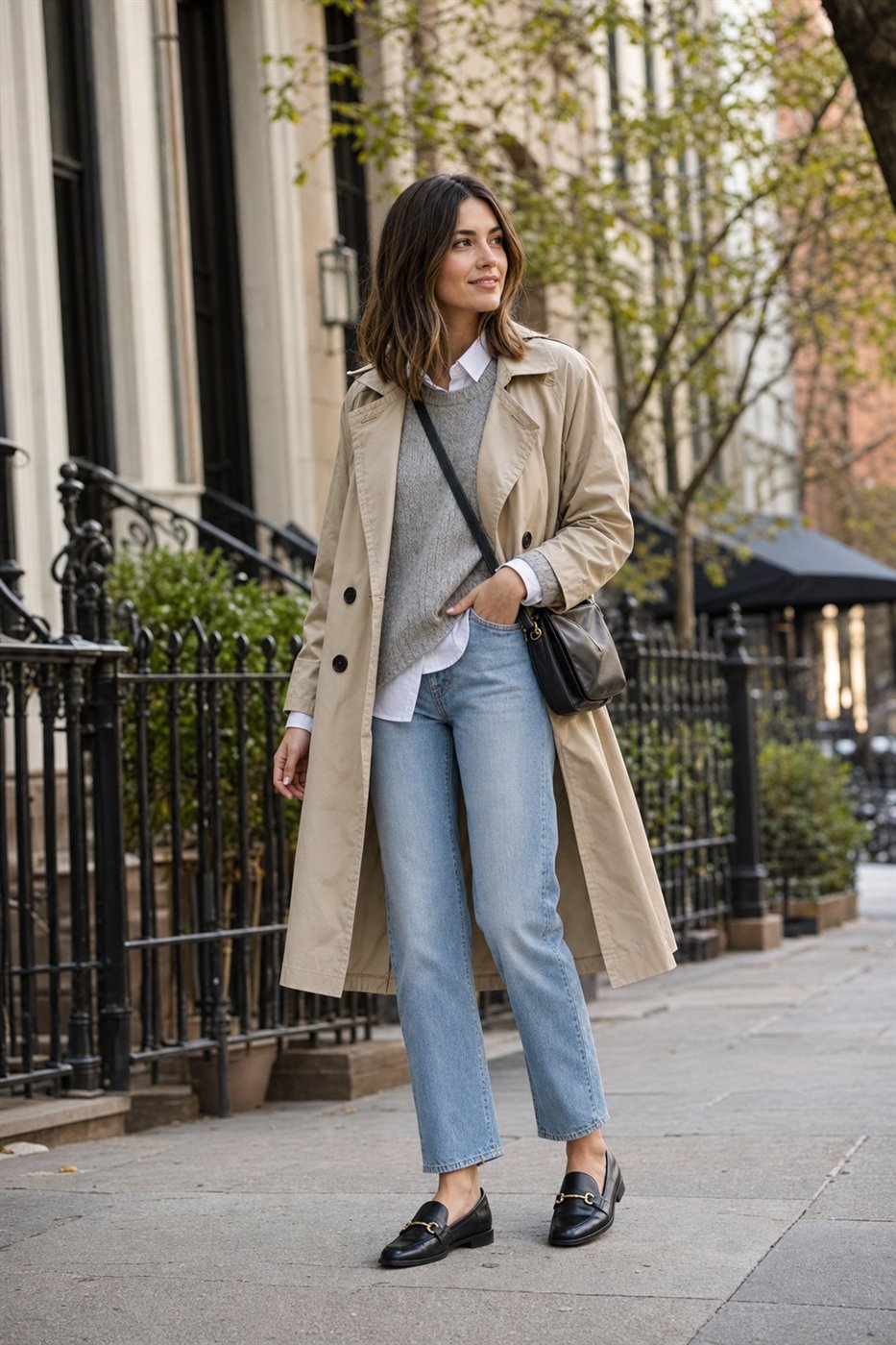
| Trench Coat | Elegant, water-resistant, classic style, good wind protection. | Professional settings, rainy/windy mild days, classic aesthetic. | Can be bulky to carry when removed. Brands like Burberry or Gap offer classic interpretations. |
| Anorak/Parka (light) | Excellent wind/rain protection, often packable, sporty aesthetic. | Casual outings, active use, unpredictable heavy rain/wind. | Less formal, can feel too sporty for some professional environments. |
| Denim Jacket | Durable, timeless, adds casual warmth, wind resistant. | Dry, mild-to-cool days, casual layering, adds structure. | Not waterproof, limited warmth in cold temperatures. Options from Levi’s are iconic. |
| Packable Puffer Jacket | Lightweight, highly insulated, compresses small, wind-resistant. | Sudden temperature drops, travel, minimalist layering. | Less formal, can look overly casual in some contexts. Uniqlo’s Ultra Light Down is a good example of this type. |
Trench Coats vs. Anoraks: A Practical Comparison
Choosing between a trench coat and an anorak often comes down to desired aesthetic and specific needs. A trench coat (think classic options from brands like Burberry or Gap) offers a sophisticated, polished look, ideal for professional environments or when you want a more elevated style. They are typically water-resistant, providing good protection against light rain and wind, but can be a bit heavier and less compressible. An anorak or light parka, on the other hand, prioritizes utility. These are often made from technical, water-repellent fabrics and feature hoods, multiple pockets, and a more relaxed fit. They are excellent for casual outings, hiking, or when you anticipate heavier rain or stronger winds. While less formal, many modern anoraks offer sleek designs that blend functionality with contemporary style.
Packable Puffers: The Ultimate Travel Companion
For sheer convenience and warmth-to-weight ratio, a packable puffer jacket is an unparalleled choice for in-between seasons. These jackets feature lightweight synthetic or down insulation and are designed to compress into a small pouch, making them incredibly easy to carry in a bag when not needed. Brands like Uniqlo’s Ultra Light Down or Patagonia’s Nano Puff offer excellent examples. They provide significant warmth for their minimal bulk and are often treated with a water-resistant finish, offering protection against light precipitation. This makes them perfect for travel, unpredictable commutes, or simply as an emergency warmth layer that takes up minimal space.
Common Layering Mistakes to Avoid
The single most common mistake in transitional layering is failing to consider the temperature variations throughout the day, leading to outfits that are either too warm or too cold for parts of the day. Avoid heavy, non-breathable fabrics for inner layers, which trap sweat and can lead to discomfort.
Accessorize Smart: Elevate Your Transitional Style
Accessories are not just an afterthought; they are critical components of in-between season dressing. They offer quick, impactful ways to add warmth, style, and adjust to changing conditions without committing to a full clothing change. Often overlooked, these small additions can make a significant difference in both comfort and completing an outfit.
Scarves: More Than Just Warmth
A scarf is arguably the most versatile accessory for transitional weather. It can instantly add a layer of warmth around your neck, protecting you from unexpected chills or breezes. Beyond functionality, a scarf introduces color, texture, and pattern, elevating a simple outfit. Choose lightweight materials like cotton, silk, or a thin wool blend for adaptability. A linen scarf from a brand like Eileen Fisher can offer breathability for warmer days, while a fine merino wool scarf from Johnstons of Elgin provides soft warmth. Wear it loosely draped for a casual look, tied snugly for extra warmth, or even wrapped around your head for added protection against wind. It’s an easy item to throw into a bag and pull out as needed.
Belts and Bags: Defining Your Silhouette
While not directly adding warmth, belts and bags play a crucial role in styling layered outfits. Layers, if not managed, can sometimes look bulky or shapeless. A well-placed belt can cinch a voluminous cardigan, an oversized shirt, or even a light jacket, creating definition and a more polished silhouette. Consider a classic leather belt from brands like Fossil or Madewell to add structure. Similarly, your choice of bag impacts practicality. For in-between seasons, a medium-sized tote or cross-body bag from brands like Coach or Everlane is ideal, large enough to carry a folded scarf, a light packable jacket, or even a thin cardigan that you’ve shed. This ensures you always have a place for your removable layers, preventing them from becoming an inconvenient burden.
Footwear Choices for Shifting Weather
Your shoes need to handle potential rain, puddles, or varying ground conditions. Closed-toe shoes are generally safer than open-toed options. Ankle boots in leather or a water-resistant suede are excellent choices, offering protection and style. Consider a classic Chelsea boot from brands like Blundstone or Dr. Martens for durability and comfort. Loafers or sturdy leather sneakers (from brands like Veja or Adidas) can work for drier days, but always check the forecast for precipitation. Avoid delicate fabrics or very open styles that will leave your feet vulnerable to dampness or cold. Having a pair of weatherproof boots ready is a smart move, even if you opt for lighter shoes on a predicted dry day, ensuring you have a backup.
Layering for Different Scenarios: From Office to Weekend
The principles of layering remain consistent, but the specific garment choices will vary depending on the occasion. Adapting your layers to different settings ensures you remain appropriate and comfortable.
How do I layer for a professional setting?
For the office, focus on polished, refined layers. Start with a crisp button-down shirt or a fine-gauge knit top. Over this, add a tailored cardigan, a blazer (from brands like Theory or Banana Republic), or a sophisticated waistcoat. A lightweight wool or cotton blend blazer provides warmth and structure without bulk. Your outer layer should be elegant: a classic trench coat or a sleek wool overcoat works well. Stick to neutral colors and clean lines for a professional aesthetic. Ensure each layer is wrinkle-resistant and can be removed without looking sloppy, allowing you to adapt to varying office temperatures.
What’s the best approach for casual outings?
Casual layering allows for more freedom in texture and silhouette. Begin with a comfortable t-shirt, a long-sleeve tee, or a chambray shirt. Layer a flannel overshirt (from brands like L.L.Bean or Eddie Bauer), a hoodie, or a light denim jacket (like those from Levi’s) on top. For outerwear, a packable puffer, an anorak, or a softshell jacket provides practical warmth and weather protection. Feel free to mix patterns and textures. The emphasis here is on comfort, ease of movement, and durability, allowing you to enjoy activities like weekend markets, park strolls, or casual meetups without worrying about the weather.
The most crucial rule for in-between season dressing is adaptability, allowing you to adjust your outfit as the day’s conditions change.